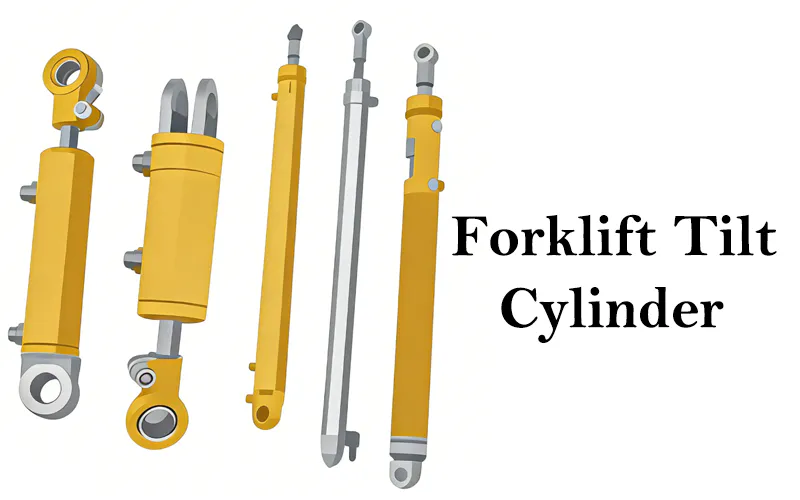
产品描述
液压缸
广泛应用于建筑、煤矿、农业、高空作业平台和环境卫生等领域的设备。
| 特征 | 定制液压缸 |
| 孔径 | 2′-50′/50-1500毫米 |
| 杆径 | 1′ – 60′/25 -1000 毫米 |
| 壁厚 | 0.1′-4′/3-100 毫米 |
| 最大冲程 | 366'/9280 毫米 |
| 最大压力 | 9600 psi/600 bar |
| 测试压力 | 14500 psi/1000 bar |
| 材料 | 20#、40#、45#、16Mn、27SiMn 等 |
| 密封套件 | Hallite、Parker、NOK、DICHTOMATIK、特瑞堡、默克尔 |
| 尺寸精度 | H7-H11 |
| 孔径粗糙度 | Ra 0.4-1.6mm |
| 涂层 | 硬铬 |
| 目的 | 工程、煤炭与采矿、农业机械、环境卫生 |
| OEM/ODM | 是的 |
| 最小起订量 | 1 件 |
| 证书 | ISO9001、CE、CCS |
Q1. 您是制造商吗?
是的,我们生产液压缸已有30多年历史。它们广泛应用于工程、煤矿、农业和环境卫生等领域。
Q2. 你们的产品有保修吗?
是的,我们提供一年保修。
问3. 可以 我们 您能帮我们定制产品吗?
是的,实际上我们70%系列产品都是为客户定制的。您只需告诉我们您的需求(最好能提供规格和图纸),我们就能为您实现。
第四季度你们如何配送产品?
通过海运、空运或快递。
Q5样品需要多少天才能完成?批量生产又需要多久?
样品制作一般需要5-7天。批量生产的交货时间取决于质量、生产工艺等因素,一般为35天。
| 认证: | CE、ISO9001 |
|---|---|
| 压力: | 高压 |
| 工作温度: | -40~120 |
| 表演方式: | 双人表演 |
| 工作方法: | 直达之旅 |
| 结构: | 活塞式 |
| 定制化: |
可用的
|
|
|---|
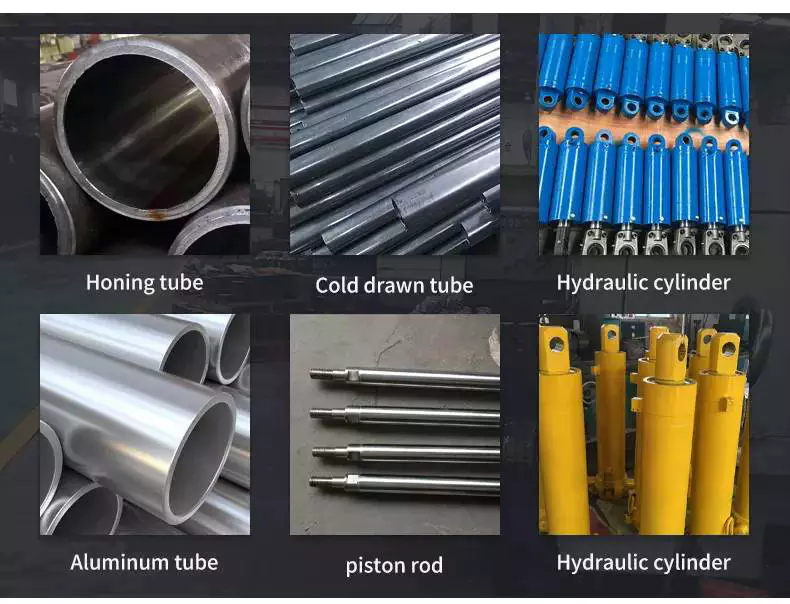
液压缸如何提高工业流程的整体成本效益?
液压缸在提升工业流程的整体成本效益方面发挥着至关重要的作用。它们具有诸多优势,有助于提高生产率、提升效率、降低维护成本并增强运行性能。以下详细解释了液压缸如何提升工业流程的成本效益:
1. 高功率密度:
液压缸具有很高的功率重量比,使其能够在紧凑的设计中产生巨大的力。这种功率密度使得可以使用更小更轻的设备,从而降低材料和制造成本,并提高工业流程的效率。
2. 精确的力和位置控制:
液压缸可提供精确的力和位置控制,从而实现机械或工件的精确移动和定位。这种控制水平可提高工艺效率,减少材料浪费,并提升整体产品质量。精确的力控制还能最大限度地降低设备损坏的风险,进一步降低维护和维修成本。
3. 高负载处理能力:
液压缸以其强大的承载能力而闻名。它们能够施加巨大的力,因此适用于重型工业应用。通过高效地处理重载,液压缸有助于提高生产效率和产量,减少对额外设备的需求,并简化工业流程。
4. 灵活性和多功能性:
液压缸在工业过程中展现出高度的灵活性和通用性。它们可以轻松集成到各种类型的机械设备中,从而实现多样化的应用。这种适应性减少了对专用设备的需求,最终降低了成本并提高了运行效率。
5. 能源效率:
液压系统(包括液压缸)可以设计成高能效运行。通过采用高效的液压回路设计、先进的控制系统和能量回收机制,液压缸可以最大限度地减少能源浪费并降低运行成本。节能型液压系统还有助于实现更可持续、更环保的工业运营。
6. 耐用性和使用寿命:
液压缸专为应对严苛的工业环境和高强度使用而设计。它们采用坚固耐用的材料制成,并经过严格的质量控制,以确保其耐用性和使用寿命。其卓越的耐久性和能够承受恶劣环境和重复运动的能力,减少了频繁更换的需要,从而最大限度地降低了停机时间和维护成本。
7. 降低维护需求:
与其他类型的执行器相比,液压缸所需的维护量相对较低。设计合理的液压系统,配合高效的过滤和污染控制机制,可以防止液压缸损坏并延长其使用寿命。维护需求的降低意味着停机时间的减少、人工成本的降低以及工业流程成本效益的提高。
8. 系统集成与自动化:
液压缸可以无缝集成到自动化工业流程中。通过将液压缸集成到自动化系统中,可以精确、可重复地执行任务,从而减少人为错误并优化效率。自动化还允许连续运行,从而提高生产率和整体成本效益。
9. 经济高效的替代方案:
即使在液压缸需要更换或维修的情况下,该工艺的成本效益依然能够得到保证。液压缸通常采用模块化设计,便于更换单个部件或整个单元。这种模块化设计减少了停机时间和相关成本,因为只需更换受影响的部件,而无需更换整个系统。
总之,液压缸凭借其高功率密度、精确控制能力、高负载能力、灵活性、能源效率、耐用性、低维护需求、系统集成性和经济高效的更换方案,显著提升了工业流程的整体成本效益。液压缸能够提高生产率、效率和运行性能,同时最大限度地降低维护和停机成本,使其成为各种工业应用中不可或缺的组件。
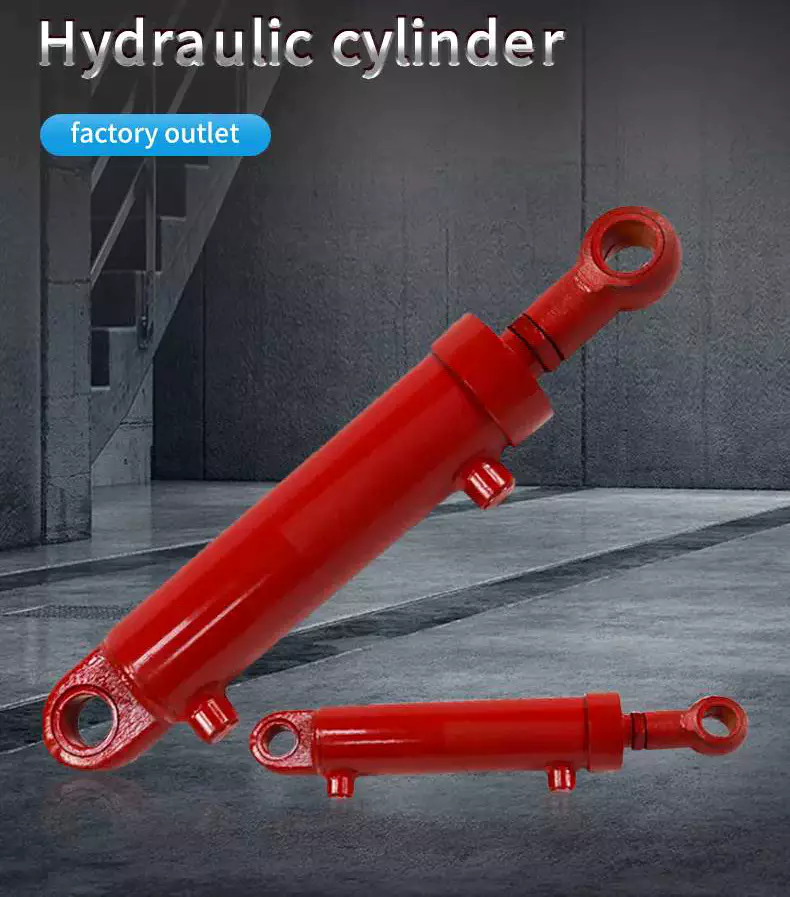
液压缸对制造运营整体生产率的影响
液压缸在提升制造运营的整体生产效率方面发挥着至关重要的作用。这些用途广泛的装置能够产生强劲且可控的直线运动,因此被广泛应用于各种工业领域。让我们来探讨一下液压缸如何影响制造运营的整体生产效率:
- 强大的力量生成: 液压缸能够产生强大的推力,使其能够处理重物并完成高难度任务。通过提供必要的推力,液压缸能够促进制造过程中机械设备的高效运行。这种强大的推力能力有助于提高生产效率,例如能够处理更大的工件、提升工艺效率以及减少人工劳动需求。
- 精准与控制: 液压缸能够精确控制负载的运动,从而实现精确定位、对准和重复性作业。液压缸提供的平稳可控的线性运动确保了装配、物料搬运和机械加工等制造过程中的精准操作。这种精度和控制力最大限度地减少了误差、返工和废品,从而提高了生产效率和产品质量。
- 速度和效率: 液压缸能够高速运转,从而在制造过程中实现快速运动和缩短循环周期。高力和高速度的结合,使得机械设备能够更快地运行,缩短生产周期,提高整体产量。通过优化制造流程的速度和效率,液压缸有助于提高生产率和产量。
- 灵活性和适应性: 液压缸具有高度的灵活性和适应性,可应用于各种不同的制造领域。它们可以根据具体要求进行定制,例如负载能力、行程长度和安装方式。这种多功能性使得液压缸能够集成到各种机械设备中,满足多样化的制造需求。其适应不同任务和环境的能力,通过高效利用资源和促进工艺优化,提高了整体生产效率。
- 可靠性和耐用性: 液压缸以其坚固耐用而著称,因此非常适合严苛的制造环境。它们能够承受重载、反复使用和恶劣的工作条件,确保长期可靠的性能。最大限度地减少因液压缸故障或维护需求造成的停机时间,有助于提高生产效率,保障生产运营的连续性。
总而言之,液压缸对制造运营的整体生产效率有着显著的影响。它们强大的动力输出、精准的控制、快速高效的运行、灵活的适应性以及可靠性和耐用性,都有助于优化生产流程、提高产量、提升产品质量并减少人工需求。通过充分利用液压缸的各项功能,制造商可以提高生产效率、简化操作流程并显著提升制造效率。
What is a hydraulic cylinder and how does it function in various applications?
A hydraulic cylinder is a mechanical actuator that converts hydraulic energy into linear force and motion. It plays a critical role in various applications where controlled and powerful linear motion is required. Hydraulic cylinders are commonly used in industries such as construction, manufacturing, agriculture, and transportation. Here’s a detailed explanation of what a hydraulic cylinder is and how it functions:
Definition and Components:
– A hydraulic cylinder consists of a cylindrical barrel, a piston, a piston rod, and various seals. The barrel is a hollow tube that houses the piston and allows for fluid flow. The piston divides the cylinder into two chambers: the rod side and the cap side. The piston rod extends from the piston and provides a connection point for external loads. Seals are used to prevent fluid leakage and maintain hydraulic pressure within the cylinder.
功能:
– The function of a hydraulic cylinder is to convert the pressure and flow of hydraulic fluid into linear force and motion. The hydraulic fluid, typically oil, is pressurized and directed into one of the chambers of the cylinder. As the fluid enters the chamber, it applies pressure on the piston, causing it to move in a linear direction. This linear motion of the piston is transferred to the piston rod, creating a pushing or pulling force.
Working Principle:
– The working principle of a hydraulic cylinder is based on Pascal’s law, which states that pressure exerted on a fluid in a confined space is transmitted equally in all directions. In a hydraulic cylinder, when hydraulic fluid is pumped into one side of the cylinder, it creates pressure on the piston. The pressure is transmitted through the fluid to the other side of the piston, resulting in a balanced force across the piston and piston rod. This force generates linear motion in the direction determined by the fluid input.
应用领域:
– Hydraulic cylinders find extensive use in a wide range of applications due to their ability to generate high forces and precise control of linear motion. Some common applications include:
1. Construction Equipment: Hydraulic cylinders are used in excavators, loaders, bulldozers, and cranes for lifting, pushing, and digging tasks.
2. Manufacturing Machinery: Hydraulic cylinders are employed in presses, machine tools, and material handling equipment for pressing, clamping, and lifting operations.
3. Agricultural Machinery: Hydraulic cylinders are used in tractors, harvesters, and irrigation systems for tasks like steering, lifting, and controlling attachments.
4. Transportation: Hydraulic cylinders are utilized in vehicles such as dump trucks, garbage trucks, and forklifts for tilting, lifting, and tipping operations.
5. Aerospace and Defense: Hydraulic cylinders are employed in aircraft landing gear, missile systems, and hydraulic actuators for control surfaces.
6. Marine and Offshore: Hydraulic cylinders are used in ship steering systems, cranes, and offshore drilling equipment for various lifting and positioning tasks.
In these applications, hydraulic cylinders offer advantages such as high force capability, precise control, compact size, and durability. They provide efficient and reliable linear motion, contributing to enhanced productivity and functionality in a wide range of industries.
Overall, hydraulic cylinders are integral components in various applications where controlled and powerful linear motion is required. Their ability to convert hydraulic energy into mechanical force makes them invaluable in numerous industries, enabling the operation of heavy machinery, precise positioning, and efficient load handling.


editor by CX 2023-11-30