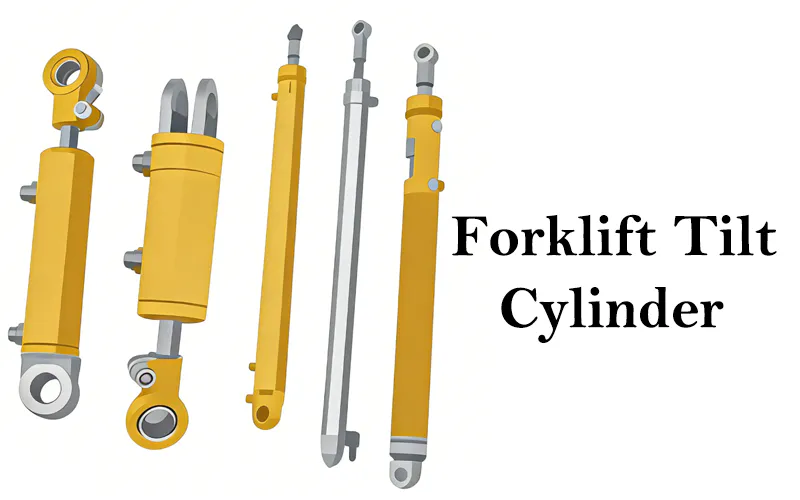
产品描述
Attractive Price 18MPa 3.4kg hydraulic Tilt Cylinder for Forklift
In forklifts, the tilt cylinder is a hydraulic cylinder responsible for tilting the mast and forks of the forklift. It allows the operator to adjust the angle of the divisions to accommodate different load-handling needs. Here are some key points about the tilt cylinder in a forklift:
Function: The tilt cylinder controls the tilting movement of the mast and forks. It lets the operator tilt the forks CHINAMFG or backward to pick up, transport, and deposit loads. The forklift operator can ensure proper load stability, precise positioning, and safe material handling by adjusting the tilt angle.
Hydraulic Power: The tilt cylinder is powered by hydraulic fluid under pressure. It is connected to the forklift’s hydraulic system, which consists of a hydraulic pump, control valves, hoses, and a reservoir. When the operator activates the tilt control lever, hydraulic fluid is directed to the tilt cylinder, causing it to extend or retract and initiate the tilt movement.
| bore diameter (D) | rod diameter (d) | stroke (S) | Installation distance (L) | working pressure | Interface dimensions (M) | weight |
| Φ60 | Φ30 | 32 | 109 | 18MPa | 2-M14*1.5 | 3.4kg |
(1) Our company can customize non-standard oil cylinders within the range of cylinder diameter D360MM and stroke L6000MM according to customer requirements;
(2) The above product prices are nontax unit prices, excluding packaging and transportation costs required for export
应用
Application of Forklift series Tilt Cylinder
1. 货物装卸: The primary application of the tilt cylinder is to facilitate the handling of loads. By adjusting the tilt angle of the mast and forks, the tilt cylinder allows the forklift operator to pick up, transport, and deposit loads with precision. It enables the operator to tilt the forks CHINAMFG to engage and lift the load or tilt them backward to stabilize and deposit the load.
2. Load Stabilization: The tilt cylinder plays a crucial role in load stabilization. When lifting and transporting loads, especially those unbalanced or unevenly distributed, the tilt cylinder allows the operator to adjust the tilt angle to prevent load shifting or toppling. This ensures load stability and reduces the risk of accidents or damage to the load and surrounding structures.
3. Accessing and Depositing Loads: The tilt cylinder enables the forklift operator to access and deposit loads in various locations. It allows the forks to tilt CHINAMFG or backward, making it easier to position them under pallets or other load types. Adjusting the tilt angle allows the operator to align the forks with the load and safely deposit it CHINAMFG racks, shelves, or other storage areas.
4. Load Manipulation: The tilt cylinder allows load manipulation and fine control during material handling operations. By incrementally adjusting the tilt angle, the operator can tilt the forks slightly to level the load on uneven surfaces or adjust the load position for better visibility and maneuverability. This enables efficient handling of delicate or fragile loads, optimizing safety and productivity.
5. Pallet Stacking: The tilt cylinder is widely used in pallet stacking applications. It enables the operator to tilt the forks backward to create a slight incline, allowing for easy entry and retrieval of pallets from stacked loads. The tilt cylinder also assists in aligning the divisions with the pallets during stacking, ensuring accurate placement and stability of the stacked pallets.
6. Customized Load Handling: The tilt cylinder in a forklift series can be used for customized load-handling applications. Some forklift models feature additional attachments or accessories, such as side shifters or clamp arms, which can be controlled by the tilt cylinder. This allows forklift operators to adapt the tilt angle and manipulate loads with specialized requirements, such as gripping or rotating materials.
Importance of Forklift Tilt Cylinder
Load Stability: The tilt cylinder allows the operator to adjust the tilt angle of the mast and forks, ensuring load stability during material handling operations. By tilting the forks CHINAMFG or backward, the operator can secure the load and prevent it from shifting or falling off them. This enhances safety and minimizes the risk of accidents or damage to the bag.
精确的负载定位: The tilt cylinder enables precise load positioning, allowing the operator to align the forks with the load and accurately deposit it CHINAMFG racks, shelves, or other storage areas. Adjusting the tilt angle allows the operator to achieve optimal load placement, which is critical in tight or confined spaces where maneuverability is limited.
Versatility: The tilt cylinder provides versatility in load-handling applications. The forklift can handle various load sizes and shapes by adjusting the tilt angle to accommodate different load requirements. This versatility enhances the adaptability of the forklift in multiple industries and warehouses, where different types of goods and materials must be handled.
Improved Operator Visibility: Adjusting the tilt angle can improve the operator’s visibility during material handling operations. By tilting the forks backward, the operator can have a better line of sight over the load, increasing situational awareness and reducing the risk of accidents caused by limited visibility.
In summary, the tilt cylinder in a forklift is of utmost importance as it ensures load stability, enables precise load positioning, enhances versatility, improves operator visibility and ergonomics, facilitates efficient pallet stacking, and allows customization and attachment compatibility. These factors contribute to safer, more efficient, and more productive material handling operations in warehouses, distribution centers, manufacturing facilities, and other industrial settings.
Our Company
We have a first-class independent R&D platform for assembly. The forklift cylinder production workshop has 4 semi-automatic lifting cylinder assembly lines and 1 fully automatic tilting cylinder assembly line, with a designed annual production capacity of 1 million pieces; the special cylinder workshop is equipped with semi-automatic cleaning and assembly systems of various specifications, with a designed annual production capacity of 200,000 essays. It has famous CNC machining equipment, machining centers, special equipment for high-precision cylinder processing, robot welding machines, automatic cleaning machines, automatic cylinder assembly machines, and automatic paint production lines. We have more than 300 sets of critical equipment running. The optimized allocation and efficient utilization of equipment resources ensure the precision requirements of the products and meet the high standard quality requirements of the products.
|
Forklift cylinder assembly shop |
Other types of cylinder assembly shop |
Welding
Painting & coating
|
Painting & coating line |
Fully automatic water-based |
Testing
To further improve product performance, and establish the leadership position of our hydraulic cylinder in the industry, our company and zjimee jointly established a Comprehensive performance laboratory of hydraulic cylinders, hydraulic valves, and hydraulic pumps; the lab is computer-assisted testing, using electro-hydraulic control technology, the test conditions preset by computer, which improves the test accuracy and system versatility, and the experimental data.
The automatic collection is realized through the application of sensors, and the output data, such as the internal leakage and load efficiency of the cylinder or the valve, are directly processed by the
computer and converted to standard units (ml/min; %). At the same time, to ensure the working safety of the hydraulic system, the state monitoring function is carried out for key performance parameters, such as “oil temperature monitoring, liquid level monitoring, filter device monitoring,” etc. Among them, the hydraulic cylinder test stand can test the performance of “load efficiency” and “internal leakage” by readings. At the same time, it is equipped with a grating ruler measuring instrument, which meets the requirements of all test items of hydraulic cylinder products in the national standard
Our Factory
包装和运输
| 认证: | GS、RoHS、CE、ISO9001 |
|---|---|
| 压力: | 中压 |
| 工作温度: | 正常体温 |
| 表演方式: | 双人表演 |
| 工作方法: | 旋转 |
| 调整后的形式: | 受管制类型 |
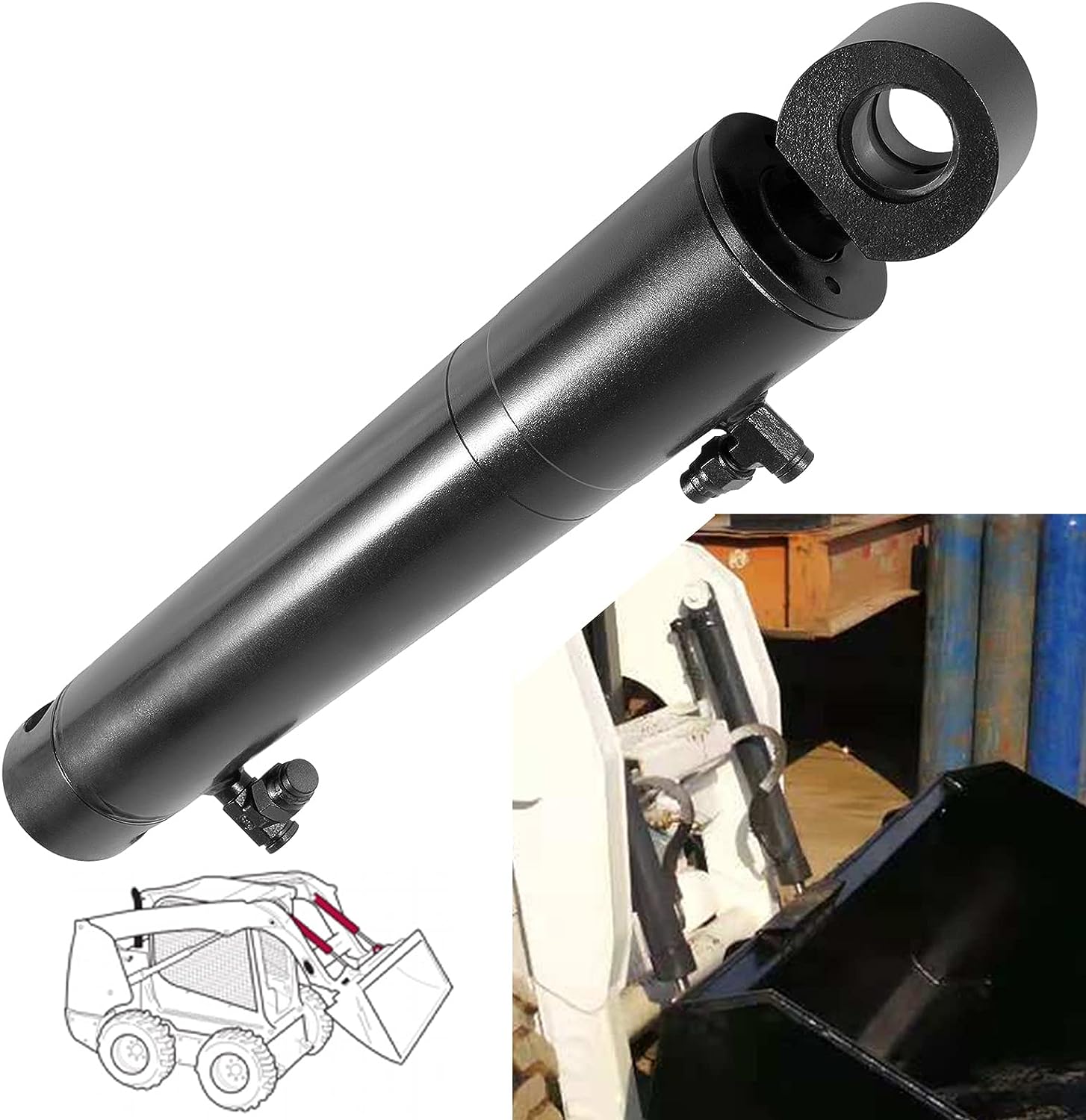
How does a tilt cylinder handle variations in hydraulic pressure and flow rate?
A tilt cylinder is designed to handle variations in hydraulic pressure and flow rate effectively. It incorporates specific features and mechanisms that allow it to operate reliably under different hydraulic conditions. Here’s a detailed explanation:
- Pressure Compensation: Tilt cylinders are equipped with pressure compensation mechanisms to handle variations in hydraulic pressure. These mechanisms ensure that the cylinder can function properly even when the hydraulic system experiences fluctuations in pressure. The pressure compensation feature allows the cylinder to maintain consistent force and performance, regardless of the changes in hydraulic pressure.
- Flow Control: Tilt cylinders are designed to accommodate variations in hydraulic flow rate. They have internal passages and ports that allow the hydraulic fluid to flow into and out of the cylinder. The cylinder’s design ensures that it can handle different flow rates without compromising its functionality. Whether the hydraulic flow rate is high or low, the tilt cylinder can adjust accordingly and provide the necessary force and control for load manipulation.
- Sealing Mechanisms: Tilt cylinders incorporate sealing mechanisms to prevent leakage and maintain hydraulic integrity. These seals are designed to withstand variations in pressure and flow rate, ensuring that the hydraulic fluid remains contained within the cylinder. The seals also help maintain the required pressure within the cylinder, allowing it to operate efficiently and effectively, regardless of the hydraulic conditions.
- Internal Design: The internal design of a tilt cylinder takes into account variations in hydraulic pressure and flow rate. The cylinder’s internal components, such as piston, rod, and cylinder barrel, are engineered to withstand different hydraulic conditions. They are designed to handle the forces exerted by varying pressure and flow rates, ensuring smooth operation and longevity of the cylinder.
- Hydraulic System Compatibility: Tilt cylinders are designed to be compatible with the hydraulic systems of the equipment they are installed in. Manufacturers ensure that the cylinders can handle the expected pressure and flow rate ranges of the hydraulic system. This compatibility allows for seamless integration and optimal performance, even when there are variations in hydraulic conditions.
- Quality Control and Testing: Tilt cylinders undergo rigorous quality control measures and testing during the manufacturing process. These measures ensure that the cylinders can handle variations in hydraulic pressure and flow rate within specified tolerances. Manufacturers test the cylinders under different hydraulic conditions to verify their performance, reliability, and ability to handle variations in pressure and flow.
By incorporating pressure compensation mechanisms, flow control features, sealing mechanisms, robust internal design, hydraulic system compatibility, and thorough quality control, tilt cylinders are capable of handling variations in hydraulic pressure and flow rate. These cylinders provide reliable and consistent performance, regardless of the hydraulic conditions, ensuring smooth and efficient operation in material handling and construction equipment.
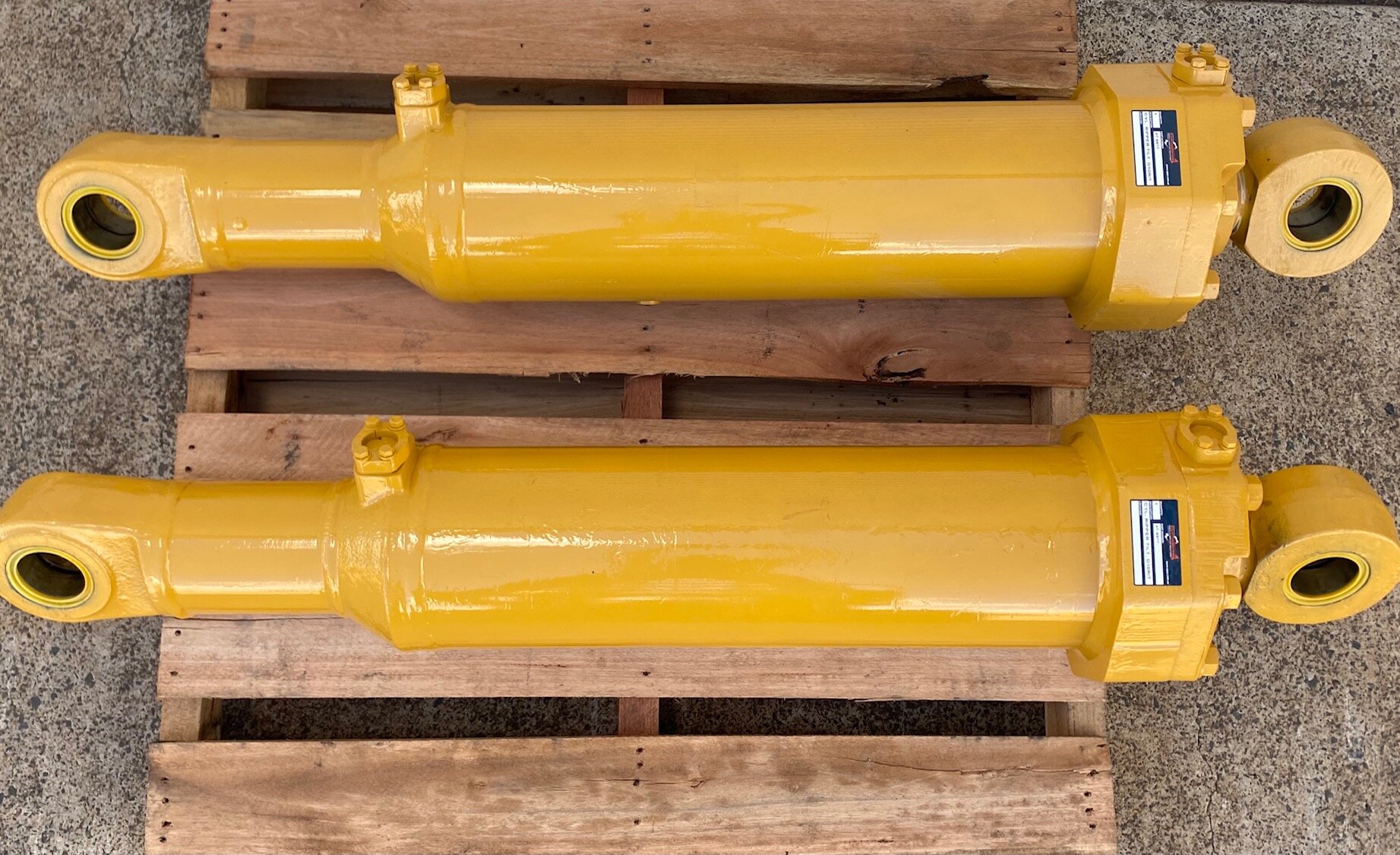
在重型设备中使用倾斜油缸有哪些优势?
在重型设备中使用倾斜油缸具有多项优势,可提高生产效率、多功能性和操作效率。以下是主要优势:
- 增强灵活性:倾斜油缸使重型设备能够倾斜并调整附件或工具的角度。这在各种应用中提供了更高的灵活性,例如平整土地、园林绿化、物料搬运和挖掘。附件的倾斜功能使操作员能够精确控制其位置和方向,从而提高作业的准确性和效率。
- 提升稳定性:倾斜油缸有助于提升重型设备的稳定性和平衡性。通过倾斜附件或机具以适应地形或负载情况,操作人员可以在作业过程中保持更好的稳定性。这在崎岖不平或地形复杂的情况下尤为重要,因为在这些情况下,保持稳定性对于安全高效地作业至关重要。
- 效率提升:倾斜油缸可提高重型设备的作业效率。操作员无需重新定位整台机器即可调整倾斜角度,从而节省时间和精力。操作员可以快速轻松地改变附件的角度,优化设备性能,并减少手动调整或使用额外设备的需求。
- 精准的物料控制:倾斜油缸能够对搬运或操作的物料进行精准控制。例如,在物料装载或倾倒作业中,操作人员可以倾斜铲斗或属具,从而精确控制倾倒角度。这种精准的控制能够提高作业效率,最大限度地减少物料溢出和浪费,最终实现成本节约和作业效率的提升。
- 多功能性和适应性:倾斜油缸增强了重型设备的多功能性和适应性。通过调节倾斜角度,设备可用于更广泛的任务和应用。倾斜油缸使设备能够适配不同的附件或工具,从而扩展其功能,使其适用于各种作业需求。
- 操作员舒适性和安全性:倾斜油缸有助于提高操作员的舒适性和安全性。通过调节倾斜角度,操作员可以保持更符合人体工程学的姿势,从而减少长时间操作带来的疲劳。此外,倾斜角度的控制功能还能提供更好的视野和对设备工作区域的控制,从而提高安全性,降低事故和损坏的风险。
倾斜油缸在重型设备中的应用优势使其成为建筑、采矿、农业和物料搬运等行业不可或缺的部件。倾斜油缸能够增强操作能力、提高效率并改善安全性,最终提升生产率和成本效益。
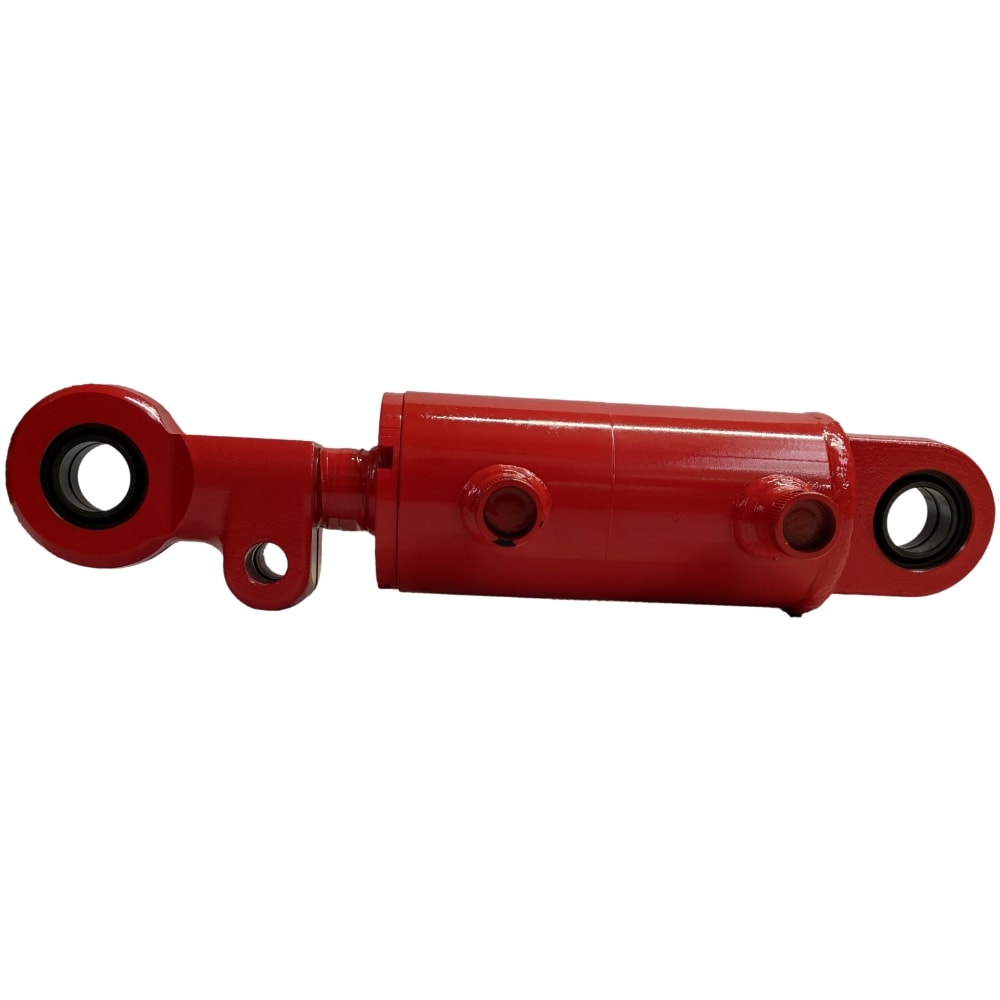
倾斜油缸可以同时用于倾斜和调平吗?
是的,倾斜油缸既可用于倾斜,也可用于调平。它们是用途广泛的液压元件,旨在提供可控的倾斜运动,并有助于调平操作。以下是详细说明:
倾斜应用:
倾斜油缸广泛应用于各行业的倾斜应用中。它们可以对连接到重型机械的部件进行可控的倾斜或角度调整。例如:
- 在工程机械中,倾斜油缸可以调节铲斗、刀片或附件,从而实现对地面的精确挖掘、平整和整平。
- 在采矿机械中,倾斜油缸控制铲斗或刀片的角度,从而实现高效的物料搬运和挖掘。
- 在农业设备中,倾斜油缸可以倾斜犁或铲斗等农具,使农民能够调整工作角度,从而实现最佳的土壤耕作或物料处理。
- 在物料搬运机械中,倾斜油缸用于控制叉子、平台或附件的倾斜,从而便于高效地装卸和堆垛货物。
水平测试应用:
除了倾斜之外,倾斜油缸还可用于调平。调平是指调整设备的水平位置或对准情况,以确保表面平整稳定。倾斜油缸可通过以下方式辅助调平作业:
- 补偿不平坦的地形:倾斜油缸可用于调整设备附件的倾斜度,补偿不平坦的表面并保持水平位置。
- 对准部件:倾斜油缸可用于对准或调平刀片、铲斗或平台等部件,确保工作区域内一致且精确的调平。
- 提供精细调节:倾斜油缸中的控制阀可精确控制倾斜运动。操作人员可以进行微调以达到所需水平,从而确保精确调平。
利用倾斜油缸的控制能力和运动范围,操作人员可以使用同一个液压元件有效地执行倾斜和调平任务。
总之,倾斜油缸用途广泛,可用于倾斜和调平两种应用。它们能够对各行各业的部件进行可控倾斜,并可辅助进行精确的调平操作。由于兼具这两种功能,倾斜油缸成为需要倾斜和调平的设备中不可或缺的液压元件。


editor by CX 2023-10-16