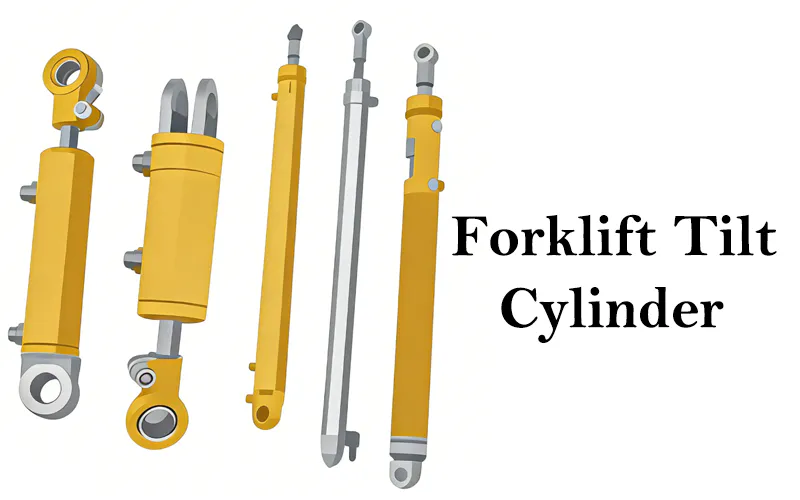
Forklift Tilt Cylinder Load Centering Technology for Precision Machinery Assembly in European Factories
How the أسطوانة إمالة الرافعة الشوكية enables sub-millimeter load positioning accuracy in high-value precision manufacturing environments — a technical guide for plant engineers, maintenance teams, and procurement specialists across Europe and Colombia.
Introduction: Why Load Centering Matters in European Precision Manufacturing
Precision machinery assembly in European factories — particularly in Germany, the Netherlands, Sweden, and Italy, where advanced manufacturing of machine tools, aerospace components, and industrial robots defines the sector — places demands on material handling that go far beyond simple lifting and transport. When a 400 kg turbine housing or a 650 kg CNC machine spindle assembly must be positioned with a tolerance of less than 0.5 mm relative to a reference datum, the tilt cylinder is the hydraulic component whose performance determines whether that positioning is achievable without manual correction or repeated handling cycles. Load centering technology, in the context of forklift-based material handling in precision assembly halls, refers to the combination of controlled tilt angle, load stability, and repeatability that allows an operator to place a heavy, geometrically complex component in a precisely oriented position on an assembly fixture.
The tilt cylinder controls the angular relationship between the mast and the vertical reference of the machine — allowing the operator to tilt the forks forward (toward the load) or backward (toward the operator) through the tilt range specified by the machine manufacturer, typically between 3 and 6 degrees forward tilt and 5 to 12 degrees backward tilt depending on the forklift model and capacity class. In standard warehouse and logistics applications, this tilt range is used primarily for load stabilization during travel — the backward tilt secures palletized loads against the backrest and keeps the center of gravity within the forklift’s stability envelope. In precision manufacturing environments, however, the same tilt function serves a much more demanding role: fine-tuning the orientation of a component on the forks so that its seating face is precisely parallel to the assembly fixture surface before the final lowering movement places it in position.
This article examines the technical basis for load centering capability in the hydraulic forklift tilt cylinder, the manufacturing structure and material system that determine tilt precision and drift resistance, the specific machine environments in European factories where these capabilities are most critical, and the regulatory standards that govern hydraulic tilt cylinder performance in European Union workplace safety frameworks. The article also addresses the Colombia market context, where manufacturing investment in precision industries is growing and where the selection of hydraulic forklift tilt cylinder specifications appropriate to European-standard precision assembly work is an increasingly relevant procurement question.
How the Forklift Tilt Cylinder Achieves Load Centering in Precision Assembly
The hydraulic forklift tilt cylinder is a double-acting hydraulic cylinder — it extends under hydraulic pressure applied to the rod-end port (producing forward tilt) and retracts under hydraulic pressure applied to the cap-end port (producing backward tilt). The load centering function relies on the ability to control the precise extension position of the tilt cylinder rod to within a fraction of a millimeter, which corresponds to a fraction of a degree of mast tilt at the geometric relationship defined by the mast pivot height and the tilt cylinder mounting geometry. For a typical 3-tonne counterbalanced forklift with a mast pivot height of approximately 550 mm above the floor, a 1 mm change in tilt cylinder rod extension corresponds to approximately 0.1 degrees of mast tilt angle, which translates to approximately 0.8 mm of fork tip height change relative to the fork heel on a standard 1200 mm pallet fork. This geometric relationship is what makes the tilt cylinder the precision positioning element for load centering — small changes in tilt cylinder position produce predictable and controllable changes in the angular orientation of the load carried on the forks.
In precision machinery assembly applications, load centering using the forklift tilt cylinder typically follows a three-stage sequence. First, the load is picked up at the storage position with the forks horizontal (zero tilt relative to the assembly hall floor), which is the condition under which the load was placed by the previous operation. Second, the load is transported to the assembly fixture position with the forks in the standard backward tilt travel position (typically 5 to 6 degrees back) to maintain travel stability. Third, as the forklift approaches the assembly fixture, the operator progressively reduces the backward tilt toward level position, then applies fine increments of forward tilt to match the orientation of the component’s seating face to the fixture surface — a process that requires precise, drift-free control of the forklift tilt cylinder position while the load remains suspended at height. Any forklift tilt cylinder drift — the slow migration of the tilt position caused by internal hydraulic leakage past worn seals — at this third stage will cause the component to shift angle during the period between the operator achieving the correct orientation and the component contacting the fixture, resulting in misplacement and potential fixture damage.
The forklift tilt cylinder drift problem is the primary technical challenge for load centering in precision assembly, and it directly determines the selection criteria for hydraulic forklift tilt cylinder specifications in these environments. Forklift tilt cylinder drift is measured in millimeters of rod travel per minute at rated operating pressure with the hydraulic control valve in the neutral position, and European forklift manufacturers and end users in precision manufacturing increasingly specify maximum allowable forklift tilt cylinder drift values as part of their forklift procurement specification — typically less than 1 mm per minute for precision assembly environments and less than 0.5 mm per minute for the most demanding semiconductor and optics assembly applications.
Manufacturing Structure: What Makes a Precision-Grade Forklift Tilt Cylinder
The manufacturing structure of a forklift tilt cylinder designed for load centering performance in precision assembly environments differs from a standard logistics-duty tilt cylinder in several specific elements. The cylinder barrel bore finish, the piston and rod seal system, the rod surface quality, and the mounting clevis geometry are all manufacturing parameters that directly affect positioning precision and drift resistance, and that separate a standard replacement cylinder from one rated for precision-application service. Understanding these structural differences is essential for plant engineers in European precision factories — and for Colombian manufacturing facilities investing in equipment to European manufacturing standards — who specify forklift tilt cylinder replacements and upgrades.
The cylinder barrel bore is the fundamental structural element of the tilt cylinder. In a precision-grade cylinder, the bore is honed to a surface roughness of Ra 0.4 to 0.8 micrometers using multi-pass diamond honing with bore gauge verification between passes, achieving a bore diameter tolerance of H7 or better over the full working length. This bore quality is what allows the piston assembly to maintain consistent radial clearance with the barrel wall throughout the full stroke, which in turn controls the leakage rate past the piston seal. A cylinder with a barrel bore honed to Ra 1.6 or coarser — a common specification for logistics-duty cylinders where some leakage is acceptable — will show significantly higher internal leakage and correspondingly higher forklift tilt cylinder drift than a cylinder with a finer bore finish. For precision assembly environments where forklift tilt cylinder drift must be maintained below 1 mm per minute, Ra 0.4 to 0.8 bore finish is typically specified.
The piston rod of the forklift tilt cylinder must withstand both the compressive load from the hydraulic pressure acting on the piston face and the bending moment induced by the offset between the cylinder mounting axis and the reaction point at the mast bracket. In precision applications, the rod diameter is selected for a buckling safety factor of at least 3.5 relative to the maximum compressive load at rated pressure, and the rod surface finish is ground and chrome-plated or hard-anodized to a surface roughness of Ra 0.1 to 0.4 micrometers. This rod surface quality is critical for seal performance — a rough rod surface accelerates seal lip wear, increasing internal leakage and reducing the effective service life of the forklift tilt cylinder seal kit. The hard chrome plating thickness for precision-grade forklift tilt cylinder rods is typically 20 to 50 micrometers, providing the corrosion resistance and surface hardness (900 to 1100 HV) needed for extended seal life in the chemical-atmosphere environments common in machining halls.
The mounting geometry — specifically the parallelism of the clevis pin bores at both the cap-end pivot and the rod-end clevis, and the perpendicularity of these bore axes to the cylinder centerline — determines how accurately the tilt cylinder transfers its extension position into mast tilt angle. Non-parallel or misaligned clevis bores introduce angular errors in the tilt mechanism that result in hysteresis between the tilt control input and the actual mast tilt angle, which is indistinguishable from tilt cylinder drift from the operator’s perspective but has a different root cause and a different corrective action. Precision forklift tilt cylinder manufacture includes coordinate measurement machine (CMM) verification of clevis bore geometry to tolerances of ±0.05 mm or tighter, which is significantly tighter than the tolerances typical of logistics-duty cylinder manufacture.
Material System: Alloys, Seals, and Coatings for Long-Life Precision Service
The material system of the tilt cylinder encompasses three primary material domains: the structural materials of the barrel, piston, and rod; the sealing materials of the static and dynamic seal system; and the surface treatment coatings applied to the rod and internal bore. Each of these domains has specific material requirements for precision assembly service that differ from logistics-duty specifications, and the combination of these material choices determines the forklift tilt cylinder’s effective service life, its seal replacement interval, and its drift performance at end of life.
The cylinder barrel material for precision-grade forklift tilt cylinder production is typically a seamless cold-drawn steel tube of equivalent to EN 10305-4 (precision steel tube for hydraulic cylinders) specification — characterized by a minimum tensile strength of 580 MPa, yield strength of 470 MPa, and 25% elongation at fracture. These mechanical properties are selected to provide the hoop stress safety factor needed for the rated operating pressures of 18.1 MPa (as used in the EP-HCY-1 and EP-HCY-2 product range) with a burst pressure ratio of at least 2.5. The use of seamless tube rather than welded or ERW tube eliminates the stress concentration at the longitudinal seam weld that is a fatigue initiation site in welded tubes — an important distinction for precision-service cylinders that undergo continuous cyclic loading at high frequencies in active precision assembly operations.
The dynamic seal system is the most maintenance-sensitive element of the forklift tilt cylinder material system and the primary determinant of forklift tilt cylinder drift over the product’s service life. Modern precision-grade forklift tilt cylinder seal systems use a combined lip seal and buffer seal arrangement — the buffer seal absorbs pressure spikes and distributes hydraulic load away from the primary sealing lip, extending the primary seal’s life by reducing peak contact stress at the lip-rod interface. Seal lip materials for precision-grade applications are typically polyurethane (PU) or PTFE-based compounds, which provide better temperature stability, lower friction, and longer service life than the NBR (acrylonitrile butadiene rubber) seals commonly used in standard-duty cylinders. PU seals for forklift tilt cylinder applications retain their dimensional stability across the operating temperature range of -20°C to +80°C, which covers the full range of European factory ambient conditions through all seasons. PTFE-based seals are specified for the most demanding precision applications or for environments where hydraulic oil compatibility is uncertain.
| Material Component | Standard-Duty Specification | Precision-Grade Specification | Precision Assembly Benefit |
|---|---|---|---|
| أسطوانة | ERW or seamless tube, Ra 1.6 bore | Seamless EN 10305-4, Ra 0.4–0.8 bore | Lower piston leakage; reduced drift |
| ذراع المكبس | Structural steel, ground, Ra 0.4–0.8 | 45C / 40Cr, ground + hard chrome, Ra 0.1–0.4 | Extended seal life; corrosion resistance |
| مانع تسرب قضيب التوصيل الرئيسي | NBR lip seal | PU lip seal with PTFE buffer ring | Lower drift; longer forklift tilt cylinder seal kit replacement interval |
| مانع تسرب المكبس | O-ring with back-up ring | PTFE-faced seal with energized spring | Consistent sealing force; low break-out friction |
| مانع تسرب الممسحة | PU or NBR single-lip wiper | Double-lip wiper with dust exclusion lip | Excludes machining debris from seal system |
| Rod Chrome Plating | 10–20 micrometers, decorative chrome | 20–50 micrometers, hard chrome HV 900–1100 | Resist abrasion from swarf; reduced rod wear |
| Clevis Material | Mild steel, painted | Alloy steel, black oxide or zinc-phosphate | Corrosion resistance; dimensional stability |
Featured Products: EP-HCY-1 and EP-HCY-2 Forklift Tilt Cylinders
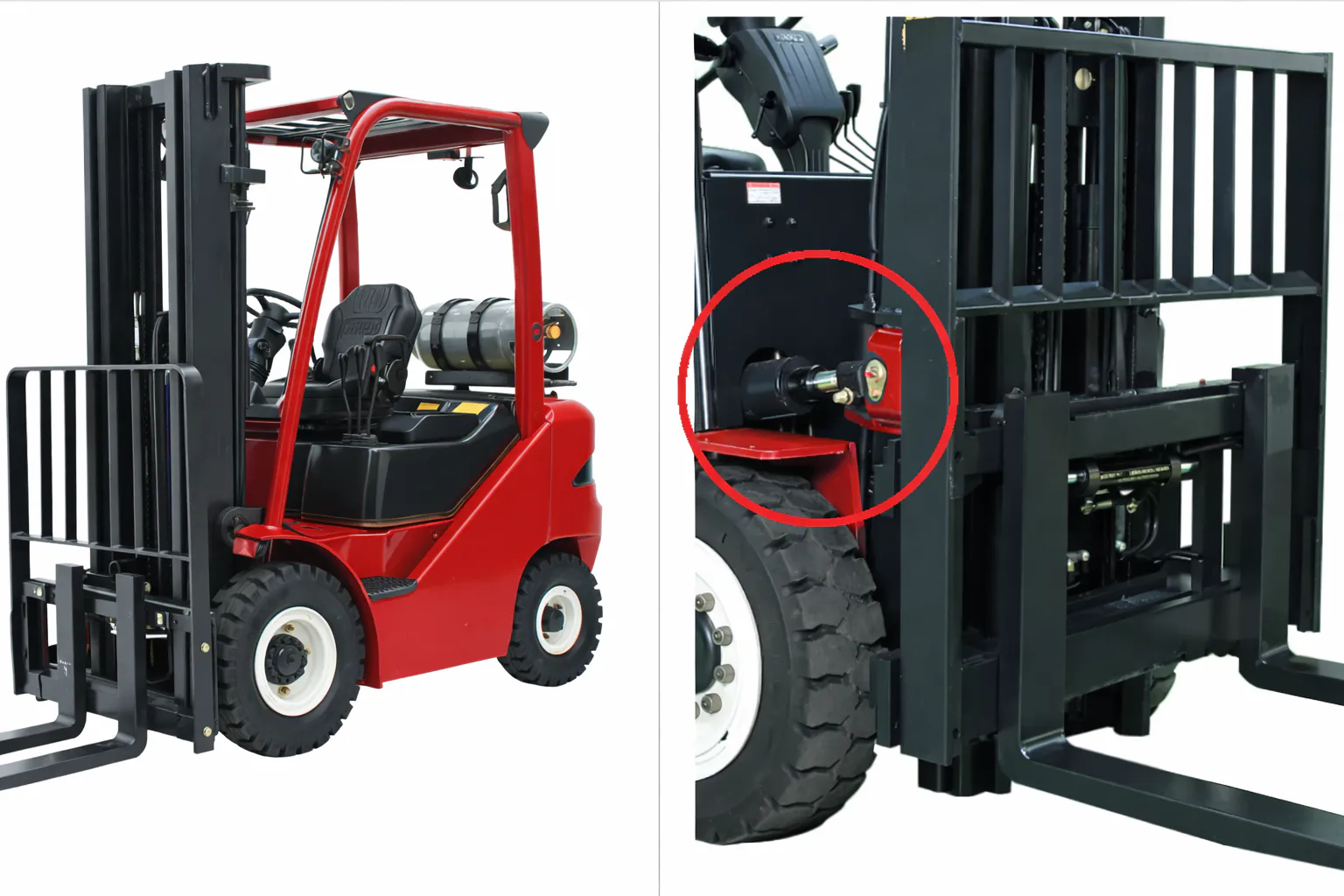
Two products from the EP-HCY forklift tilt cylinder range represent the typical specification range for precision assembly environments in European factories — the EP-HCY-1 for heavy mast systems in industrial assembly and the EP-HCY-2 for medium-capacity counterbalanced machines used in precision component handling.

The EP-HCY-1 is a heavy-duty hydraulic forklift tilt cylinder designed for large-capacity mast systems used in precision machinery assembly and heavy industrial manufacturing environments. With a rated working pressure of 18.1 MPa and a maximum burst-withstand pressure of 27.15 MPa, the EP-HCY-1 provides the pressure capability and safety margin needed for high-load precision assembly operations where control valve pressure transients are common. The 1,500 mm stroke and 1,658 mm mounting distance make this the appropriate specification for tall mast assemblies typical of automotive assembly plants, aerospace component facilities, and large machinery manufacturing halls across Europe where ceiling heights exceed 8 meters and mast travel distances are substantial. The 33 kg unit weight reflects the heavy steel construction needed for the pressure rating and stroke length.
| المعلمة | EP-HCY-1 Value |
|---|---|
| ضغط العمل | 18.1 ميجا باسكال |
| أقصى ضغط يتحمله | 27.15 ميجا باسكال |
| طول الشوط | 1500 مم |
| مسافة التركيب | 1658 ملم |
| وزن | 33 كجم |
| طلب | Large mast systems, heavy assembly |

The EP-HCY-2 is a compact hydraulic forklift tilt cylinder designed for medium-capacity counterbalanced forklifts in the 2 to 3.5 tonne range — the most common capacity class for precision component handling in European assembly halls. With the same rated working pressure of 18.1 MPa and a maximum withstand pressure of 27 MPa, the EP-HCY-2 provides equivalent pressure safety margin to the EP-HCY-1 in a substantially lighter and more compact package. The 156 mm piston stroke and 453 mm mounting distance are matched to the tilt geometry of compact counterbalanced machines used in narrow-aisle precision assembly operations where the dimensions forklift tilt cylinder occupies must fit within restricted mounting space. At 12 kg, the EP-HCY-2 is straightforward to handle during forklift tilt cylinder replacement operations, reducing maintenance downtime. The compact dimensions make it suitable as a small forklift tilt cylinder replacement for a wide range of European forklift brands.
| المعلمة | EP-HCY-2 Value |
|---|---|
| ضغط العمل | 18.1 ميجا باسكال |
| أقصى ضغط يتحمله | 27 ميجا باسكال |
| Piston Stroke | 156 مم |
| مسافة التركيب | 453 مم |
| وزن | 12 كجم |
| طلب | 2–3.5T compact forklifts, precision handling |
Explore the complete forklift tilt cylinder product range for precision assembly and heavy industrial applications
Forklift Tilt Cylinder Drift Control and Seal Kit Maintenance in Precision Environments
Tilt cylinder drift — the unwanted migration of tilt position under load when the hydraulic control valve is in the neutral (hold) position — is the primary performance concern for load centering applications in European precision factories. Drift in the forklift tilt cylinder occurs when internal hydraulic fluid bypasses the piston seal system and flows from the high-pressure side of the cylinder to the low-pressure side, causing a slow change in rod extension position. This bypass flow is normal and acceptable within specified limits in standard applications, but in precision load centering it represents a source of positioning error that can be as consequential as a measurement equipment calibration error — both of which affect the dimensional quality of the assembled product.
The primary causes of excessive tilt cylinder drift in service are: worn or damaged piston seals that no longer maintain adequate contact stress against the barrel bore surface; scratched or corroded rod surfaces that abrade the primary rod seal lip and allow hydraulic oil to escape past the seal during the hold phase; contaminated hydraulic fluid that contains solid particles (ISO 4406 cleanliness code coarser than 17/15/12) capable of embedding in and damaging seal lips; and incorrect hydraulic oil viscosity that causes inadequate seal lubrication at low temperature or seal swelling and distortion at high temperature. Addressing each of these root causes requires a different maintenance action, and correctly diagnosing the primary cause of drift from observations during operation is the first step in an effective forklift tilt cylinder repair or seal replacement program.
The forklift tilt cylinder seal kit — which includes the complete set of dynamic and static seals for a specific cylinder model — is the first replacement item in any forklift tilt cylinder repair procedure for drift-related problems. A correctly specified forklift tilt cylinder seal kit for precision assembly service includes the primary rod seal, buffer seal, wiper seal, piston seal and back-up rings, and static O-rings for the port fittings. The seal kit should be sourced from the cylinder manufacturer or an authorized distribution partner to ensure that the seal dimensions, material grade, and the dimensional tolerances match the original bore and rod surface specifications. Using an incorrect seal kit — particularly one with seals of incorrect cross-section diameter or incorrect lip geometry for the specific groove design — will result in poor sealing performance even when the cylinder mechanical condition is otherwise acceptable.
Precision Assembly Applications Where the Forklift Tilt Cylinder Performance Is Critical
German and Swiss machine tool manufacturers — building horizontal machining centers, precision grinding machines, and coordinate measuring machines — routinely move spindle assemblies, column castings, and bed castings weighing 200 to 800 kg between machining cells, surface treatment stations, and assembly fixtures using forklifts. The hydraulic forklift tilt cylinder performance in these applications determines whether the machined mating faces of the casting can be brought into angular contact with the assembly fixture datum surface without manual shimming corrections. The forklift tilt cylinder replacement interval in these facilities is typically shorter than the OEM recommended interval because of the higher precision requirements — German machine tool plants commonly specify annual forklift tilt cylinder inspection as part of their ISO 9001 quality system maintenance planning.
Aerospace manufacturing in France and the United Kingdom involves the assembly of structural components — wing ribs, fuselage frame sections, and engine pylon structures — where dimensional tolerances are measured in fractions of a millimeter and any assembly damage from contact between a misaligned component and a fixture is potentially a quality escape that requires expensive rework or scrapping of the part. The hydraulic forklift tilt cylinder in aerospace assembly environments must meet stringent drift specifications and must be maintained with forklift tilt cylinder seal replacement intervals aligned with the facility quality management plan. The forklift hydraulic cylinder diagram used for maintenance planning in these facilities documents the cylinder location, mounting geometry, and fluid connection details to the precision required by aerospace quality standards such as AS9100 and EN 9100.
Industrial robot manufacturers in Sweden and the Netherlands assemble robotic arm sections, wrist assemblies, and base casting components that have precision-bored bearing housings requiring 0.01 mm to 0.02 mm dimensional tolerance on the assembly datum faces. The forklift tilt cylinder used to handle these precision-bored assemblies between machining and assembly operations must provide angular positioning repeatability better than 0.15 degrees — which requires that the forklift hydraulic tilt cylinder internal leakage be controlled to the level that drift over the 30 to 60 second period between tilt positioning and final component placement produces less than 0.2 mm of fork tip movement. This specification is achievable with well-maintained forklift tilt cylinders meeting precision-grade seal and bore finish specifications.
Colombia’s manufacturing sector — concentrated in Bogota, Medellin, Cali, and Barranquilla — is experiencing increasing investment in precision manufacturing capabilities for automotive supply chain parts, medical device components, and export-market industrial equipment. Colombian manufacturers supplying parts to European OEMs under supplier quality agreements that reference VW Group, PSA Group, or Airbus supply chain standards are increasingly required to meet the same forklift tilt cylinder performance requirements as European Tier 1 suppliers. The selection of hydraulic tilt cylinder specifications for Colombian manufacturing facilities operating to European quality standards should follow the same precision-grade criteria described in this guide, including bore finish, seal material specification, and forklift tilt cylinder drift monitoring protocols.
Regulatory Framework: Standards Governing Forklift Tilt Cylinder Performance in Europe and Beyond
EN ISO 3691-1:2015 is the primary European standard for counterbalanced industrial trucks, and it establishes requirements for the tilt system — including the forklift tilt cylinder — related to tilt speed, tilt locking, and load stability. The standard specifies maximum forward tilt angles, requirements for tilt speed control under loaded conditions, and load backrest specifications that affect the mast geometry within which the forklift tilt cylinder operates. Forklifts sold in the European Union must comply with EN ISO 3691-1 as a harmonized standard under the Machinery Directive 2006/42/EC — the CE marking on a forklift covers the entire hydraulic system including the forklift tilt cylinder as a component of the declared machine. Replacement cylinders must meet the pressure rating and dimensional specifications of the original equipment to maintain CE compliance of the forklift.
DGUV Rule 308-003 (Deutsche Gesetzliche Unfallversicherung) governs safe operation, inspection, and maintenance of industrial forklifts in German workplaces. It requires that the hydraulic system — including the forklift tilt cylinder — be inspected by a qualified person (Sachkundiger) at intervals not exceeding one year, with inspection covering the condition of cylinder seals, rod surfaces, and mounting hardware. Any tilt cylinder showing drift above the manufacturer’s specified maximum must be taken out of service until the cylinder is repaired with a correct forklift tilt cylinder seal kit or replaced. German precision manufacturing facilities operating under DGUV 308-003 typically maintain a preventive forklift tilt cylinder inspection log as part of their workplace safety management system, coordinating the hydraulic forklift tilt cylinder inspection with the broader annual forklift inspection required by the regulation.
OSHA 29 CFR 1910.178 governs powered industrial truck operations in US workplaces and establishes inspection and maintenance requirements applicable to the forklift hydraulic system including the forklift tilt cylinder. The regulation requires that forklifts be inspected before each shift for visible defects — including hydraulic fluid leaks from the forklift tilt cylinder or its connections — and that any defects affecting safe operation be corrected before the forklift is returned to service. For precision manufacturing facilities in the USA operating to EU component supply standards, the OSHA requirements form a baseline that is typically supplemented by more specific internal standards based on the quality system requirements of their European customers.
Colombia’s primary workplace safety regulation for industrial equipment — Resolucion 2400 de 1979 (Estatuto de Seguridad Industrial) — establishes general requirements for the safe operation and maintenance of mechanical handling equipment including forklifts. Colombian manufacturers operating forklifts with hydraulic forklift tilt cylinders must ensure that the cylinders are maintained in safe operating condition, that hydraulic fluid is not leaking, and that the tilt control function operates as designed. ICONTEC NTC standards aligned with ISO 3691 are referenced for specific technical requirements. Colombian facilities supplying parts to European customers under supplier quality agreements must also comply with the hydraulic system maintenance requirements specified by their European customer quality standards, which typically exceed the minimum Colombian regulatory baseline.
Forklift Tilt Cylinder Drift Specification by Application Category
The maximum acceptable forklift tilt cylinder drift rate varies by application category, with precision assembly environments requiring substantially tighter drift control than standard logistics operations. The table below provides a practical reference for plant engineers and maintenance teams specifying forklift tilt cylinder replacement and inspection criteria.
| Application Category | Max Tilt Cylinder Drift (mm/min at rated pressure) | Recommended Seal Replacement Interval | Inspection Frequency |
|---|---|---|---|
| Standard warehouse / logistics | < 5 | 2,000–2,500 operating hours | Annual (pre-shift visual daily) |
| Heavy industrial assembly (general) | < 2 | 1,500–2,000 operating hours | Semi-annual |
| Precision machine tool assembly | < 1 | 1,000–1,500 operating hours | Quarterly |
| Aerospace and high-precision component handling | < 0.5 | 750–1,000 operating hours | Quarterly or per quality plan |
| Semiconductor and optics manufacturing | < 0.3 | 500–750 operating hours | Monthly drift measurement |
Compatible System Products
The hydraulic forklift tilt cylinder is one component of a complete forklift hydraulic system. Matching the tilt cylinder specifications to compatible hydraulic system components ensures optimal performance, seal compatibility, and system longevity in precision assembly environments.
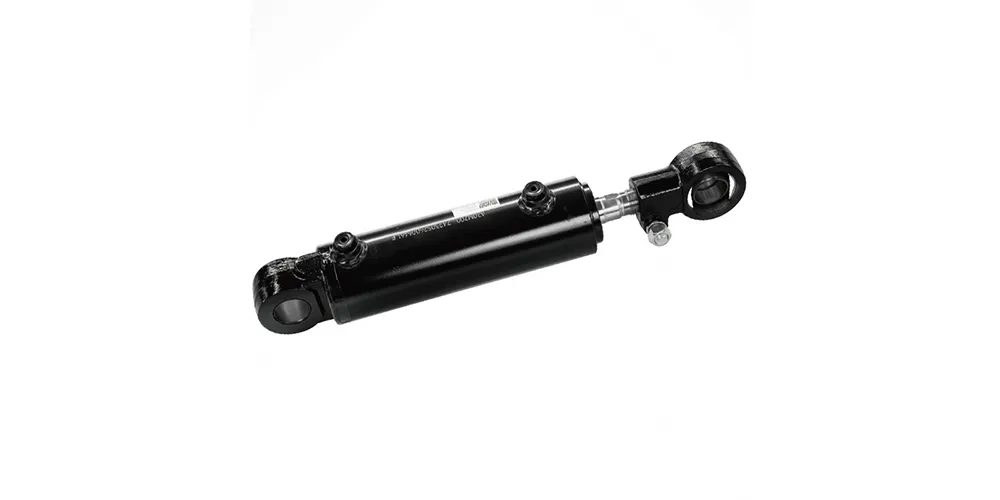
Beyond the forklift-specific forklift tilt cylinder range, our industrial tilt cylinder series covers heavy construction equipment, material handling machinery, and specialized industrial actuator applications where controlled angular motion under hydraulic power is required. These industrial tilt cylinders use the same high-bore-finish manufacturing standards and PU/PTFE seal systems as the precision forklift tilt cylinder range, making them suitable for precision assembly fixtures, rotating table actuators, and angle-controlled component handling systems that work alongside the forklift tilt cylinder in European precision manufacturing environments. The full tilt cylinder range — from compact single-acting units through large-diameter double-acting actuators — is available for engineering consultation and custom dimension specification.
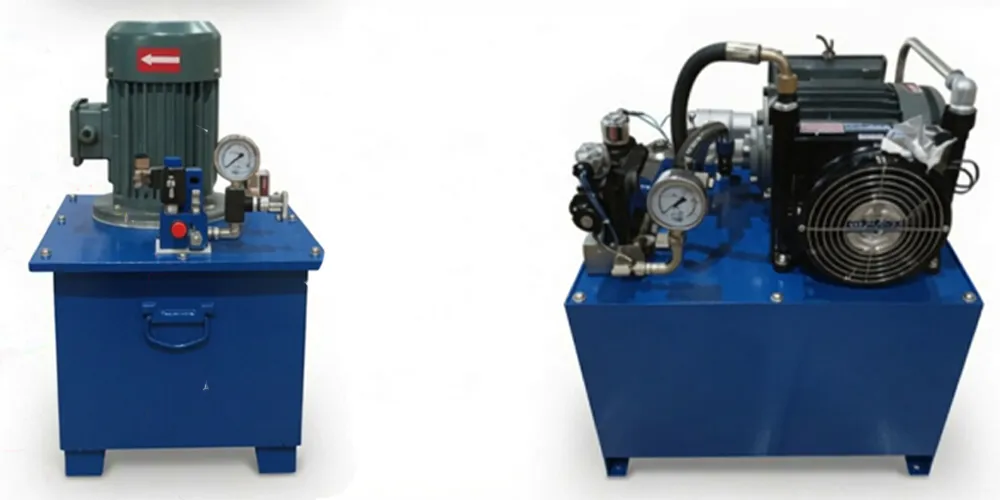
The performance of the forklift tilt cylinder under precision load centering conditions depends directly on the quality of the hydraulic pressure supply — specifically on the pressure stability, flow rate consistency, and fluid cleanliness delivered by the forklift hydraulic pump station. A hydraulic pump station with a variable displacement pump and integrated pressure-compensated flow control delivers the precise and consistent hydraulic flow that allows the forklift tilt cylinder to respond smoothly to fine operator tilt adjustments without pressure hunting or flow surge that would cause the tilt to overshoot the target position. We supply compatible hydraulic pump station units matched to the flow and pressure requirements of the EP-HCY series, supporting one-stop procurement for the complete forklift hydraulic tilt system in new machine builds and replacement projects.
About Our Forklift Tilt Cylinder Manufacturing Operation
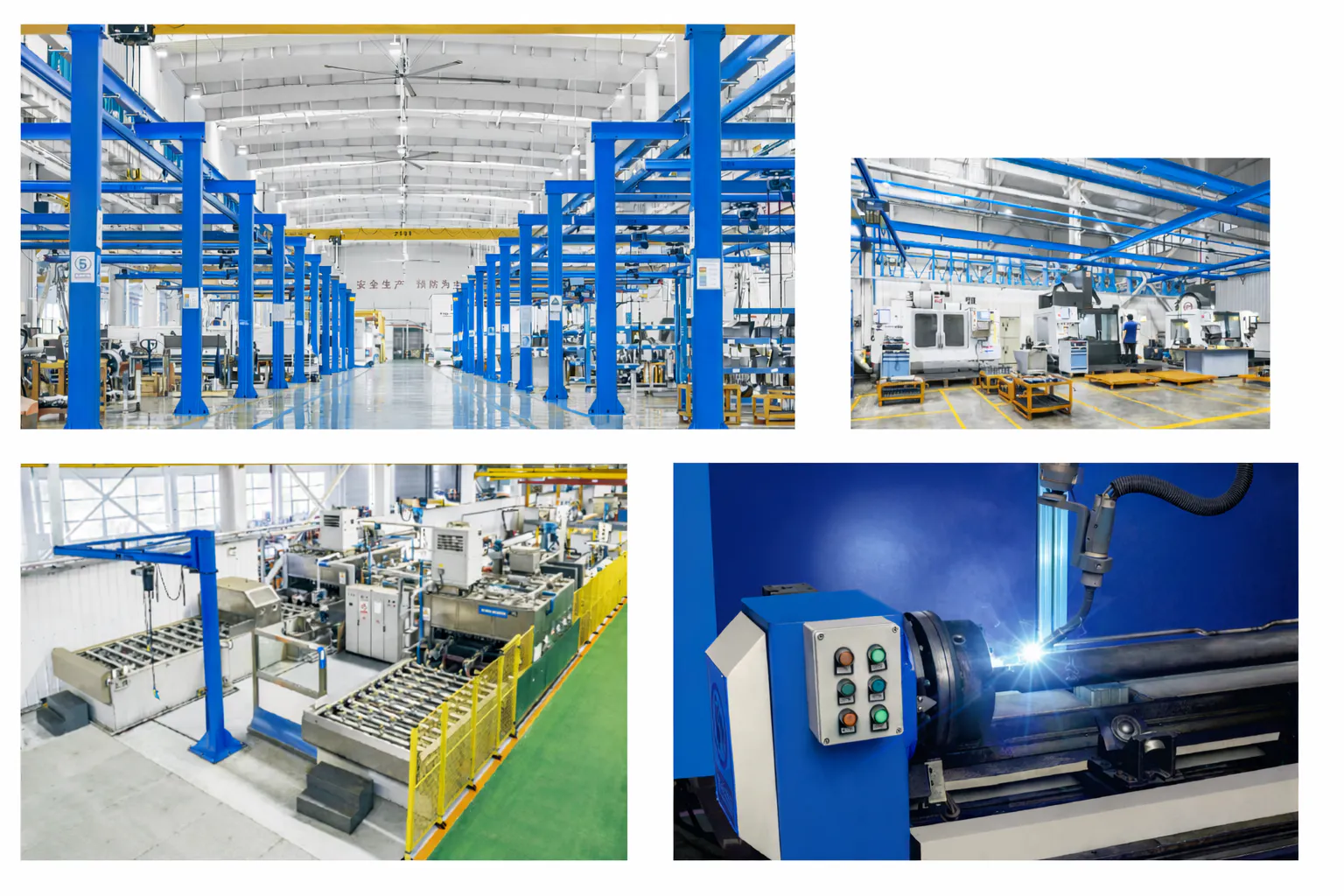
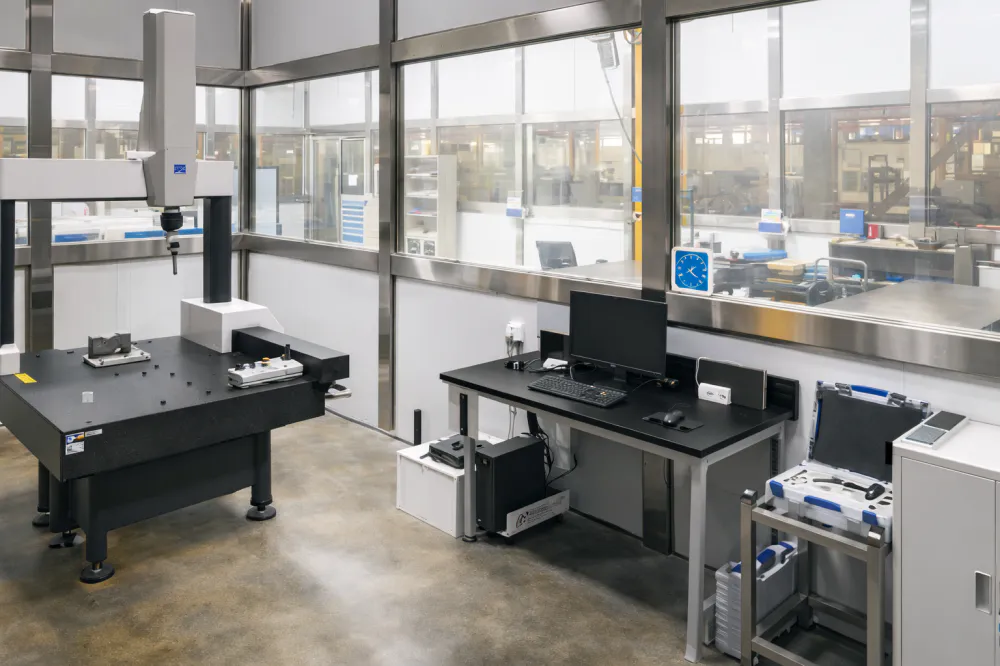
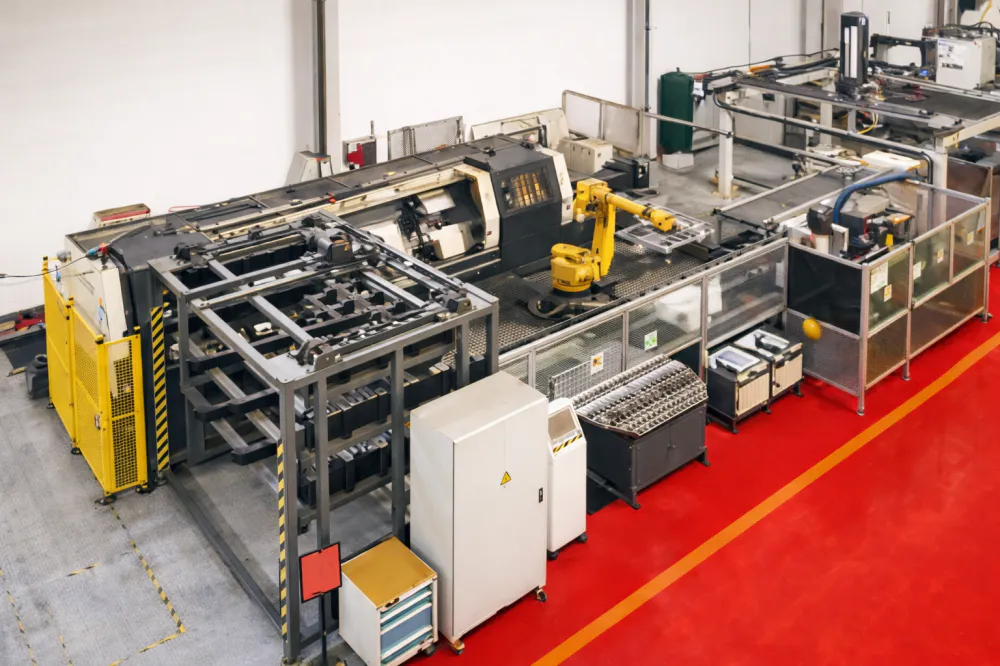
We are a specialist hydraulic forklift tilt cylinder manufacturer with a dedicated production facility equipped for precision hydraulic cylinder production. Our forklift cylinder production workshop operates 4 semi-automatic lift cylinder assembly lines and 1 fully automatic tilt cylinder assembly line, with a designed annual production capacity of 1 million pieces across the standard and custom range. The special cylinder workshop handles custom hydraulic forklift tilt cylinder orders within the capability range of cylinder bore diameter up to 360 mm and stroke up to 6,000 mm, covering the full range of forklift mast cylinder and forklift hydraulic lift cylinder specifications encountered across the global forklift market. All production is conducted under ISO 9001 quality management certification, with dimensional inspection on CMM equipment for critical parameters including bore finish, rod concentricity, clevis bore alignment, and assembly length.
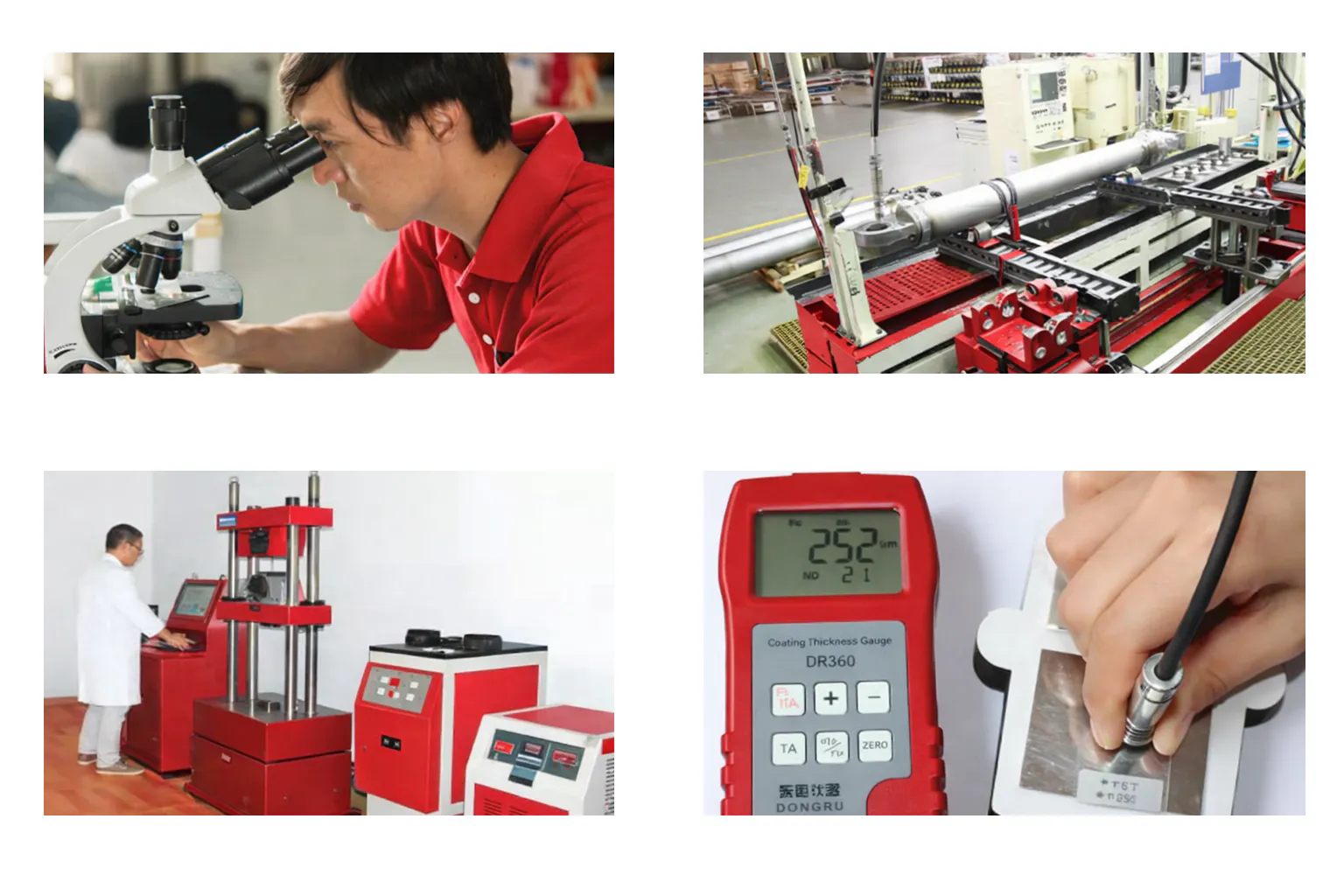
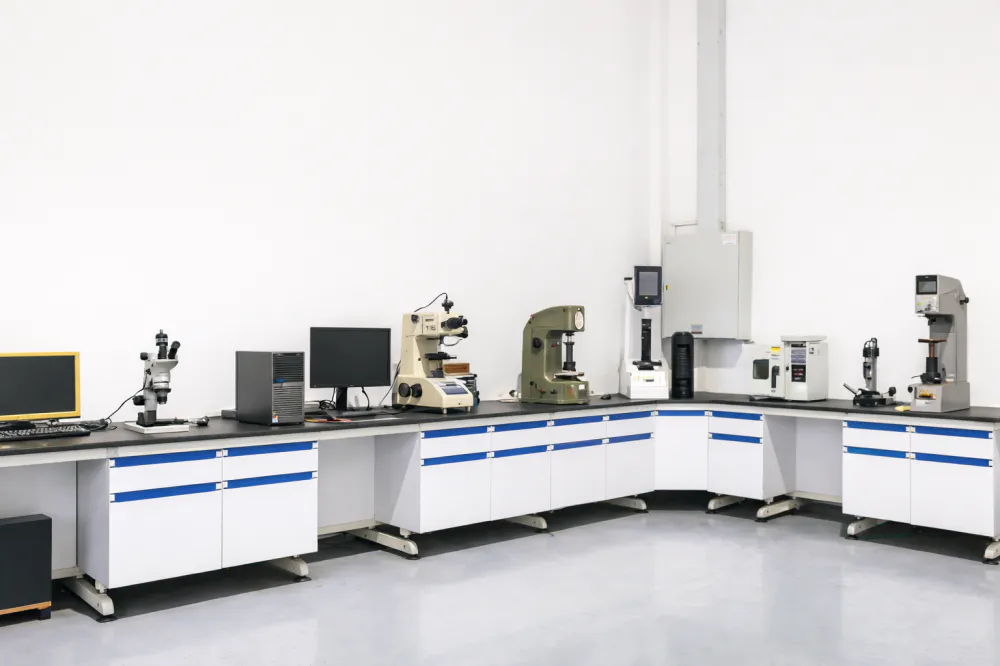
Our CNC machining equipment — including machining centers, high-precision cylinder boring machines, robot welding stations, automatic cleaning machines, automatic cylinder assembly machines, and automatic paint production lines — supports consistent dimensional quality across the full production volume range. Testing equipment includes digital ultrasonic flow detectors, metallurgical microscopes for material verification, ultrasonic thickness gauges, profile projectors, and pin gauges for seal groove verification. We supply the hydraulic forklift tilt cylinder range to forklift OEMs, aftermarket distributors, and end-user precision manufacturing facilities globally, with established supply relationships in Europe, North America, South America including Colombia and Brazil, and Southeast Asia. Custom bore, custom stroke, custom seal materials, and custom surface treatment specifications are available for precision assembly applications that require performance beyond the standard EP-HCY product specifications.
ورشة عمل

الأسئلة الشائعة
المحرر: PXY