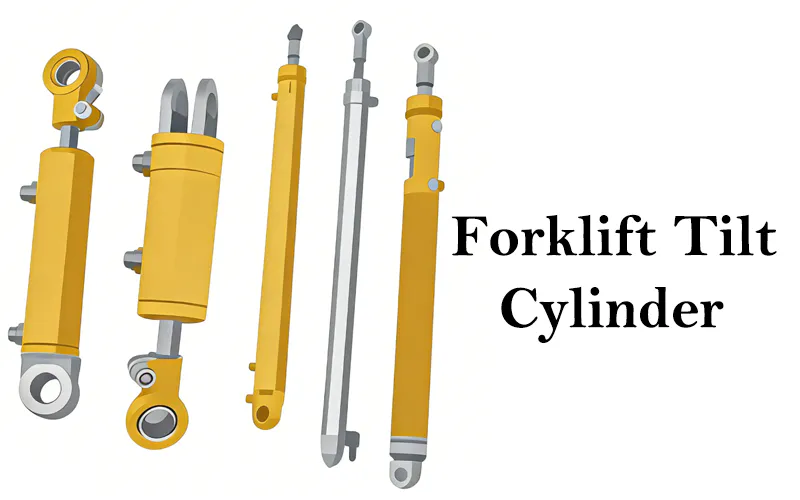
คำอธิบายผลิตภัณฑ์
Attractive Price 18MPa 3.4kg hydraulic Tilt Cylinder for Forklift
In forklifts, the tilt cylinder is a hydraulic cylinder responsible for tilting the mast and forks of the forklift. It allows the operator to adjust the angle of the divisions to accommodate different load-handling needs. Here are some key points about the tilt cylinder in a forklift:
Function: The tilt cylinder controls the tilting movement of the mast and forks. It lets the operator tilt the forks CHINAMFG or backward to pick up, transport, and deposit loads. The forklift operator can ensure proper load stability, precise positioning, and safe material handling by adjusting the tilt angle.
Hydraulic Power: The tilt cylinder is powered by hydraulic fluid under pressure. It is connected to the forklift’s hydraulic system, which consists of a hydraulic pump, control valves, hoses, and a reservoir. When the operator activates the tilt control lever, hydraulic fluid is directed to the tilt cylinder, causing it to extend or retract and initiate the tilt movement.
| bore diameter (D) | rod diameter (d) | stroke (S) | Installation distance (L) | working pressure | Interface dimensions (M) | weight |
| Φ60 | Φ30 | 32 | 109 | 18MPa | 2-M14*1.5 | 3.4kg |
(1) Our company can customize non-standard oil cylinders within the range of cylinder diameter D360MM and stroke L6000MM according to customer requirements;
(2) The above product prices are nontax unit prices, excluding packaging and transportation costs required for export
แอปพลิเคชัน
Application of Forklift series Tilt Cylinder
1. การขนย้ายสินค้า: The primary application of the tilt cylinder is to facilitate the handling of loads. By adjusting the tilt angle of the mast and forks, the tilt cylinder allows the forklift operator to pick up, transport, and deposit loads with precision. It enables the operator to tilt the forks CHINAMFG to engage and lift the load or tilt them backward to stabilize and deposit the load.
2. Load Stabilization: The tilt cylinder plays a crucial role in load stabilization. When lifting and transporting loads, especially those unbalanced or unevenly distributed, the tilt cylinder allows the operator to adjust the tilt angle to prevent load shifting or toppling. This ensures load stability and reduces the risk of accidents or damage to the load and surrounding structures.
3. Accessing and Depositing Loads: The tilt cylinder enables the forklift operator to access and deposit loads in various locations. It allows the forks to tilt CHINAMFG or backward, making it easier to position them under pallets or other load types. Adjusting the tilt angle allows the operator to align the forks with the load and safely deposit it CHINAMFG racks, shelves, or other storage areas.
4. Load Manipulation: The tilt cylinder allows load manipulation and fine control during material handling operations. By incrementally adjusting the tilt angle, the operator can tilt the forks slightly to level the load on uneven surfaces or adjust the load position for better visibility and maneuverability. This enables efficient handling of delicate or fragile loads, optimizing safety and productivity.
5. Pallet Stacking: The tilt cylinder is widely used in pallet stacking applications. It enables the operator to tilt the forks backward to create a slight incline, allowing for easy entry and retrieval of pallets from stacked loads. The tilt cylinder also assists in aligning the divisions with the pallets during stacking, ensuring accurate placement and stability of the stacked pallets.
6. Customized Load Handling: The tilt cylinder in a forklift series can be used for customized load-handling applications. Some forklift models feature additional attachments or accessories, such as side shifters or clamp arms, which can be controlled by the tilt cylinder. This allows forklift operators to adapt the tilt angle and manipulate loads with specialized requirements, such as gripping or rotating materials.
Importance of Forklift Tilt Cylinder
Load Stability: The tilt cylinder allows the operator to adjust the tilt angle of the mast and forks, ensuring load stability during material handling operations. By tilting the forks CHINAMFG or backward, the operator can secure the load and prevent it from shifting or falling off them. This enhances safety and minimizes the risk of accidents or damage to the bag.
การจัดวางตำแหน่งสินค้าอย่างแม่นยำ: The tilt cylinder enables precise load positioning, allowing the operator to align the forks with the load and accurately deposit it CHINAMFG racks, shelves, or other storage areas. Adjusting the tilt angle allows the operator to achieve optimal load placement, which is critical in tight or confined spaces where maneuverability is limited.
Versatility: The tilt cylinder provides versatility in load-handling applications. The forklift can handle various load sizes and shapes by adjusting the tilt angle to accommodate different load requirements. This versatility enhances the adaptability of the forklift in multiple industries and warehouses, where different types of goods and materials must be handled.
Improved Operator Visibility: Adjusting the tilt angle can improve the operator’s visibility during material handling operations. By tilting the forks backward, the operator can have a better line of sight over the load, increasing situational awareness and reducing the risk of accidents caused by limited visibility.
In summary, the tilt cylinder in a forklift is of utmost importance as it ensures load stability, enables precise load positioning, enhances versatility, improves operator visibility and ergonomics, facilitates efficient pallet stacking, and allows customization and attachment compatibility. These factors contribute to safer, more efficient, and more productive material handling operations in warehouses, distribution centers, manufacturing facilities, and other industrial settings.
Our Company
We have a first-class independent R&D platform for assembly. The forklift cylinder production workshop has 4 semi-automatic lifting cylinder assembly lines and 1 fully automatic tilting cylinder assembly line, with a designed annual production capacity of 1 million pieces; the special cylinder workshop is equipped with semi-automatic cleaning and assembly systems of various specifications, with a designed annual production capacity of 200,000 essays. It has famous CNC machining equipment, machining centers, special equipment for high-precision cylinder processing, robot welding machines, automatic cleaning machines, automatic cylinder assembly machines, and automatic paint production lines. We have more than 300 sets of critical equipment running. The optimized allocation and efficient utilization of equipment resources ensure the precision requirements of the products and meet the high standard quality requirements of the products.
|
Forklift cylinder assembly shop |
Other types of cylinder assembly shop |
Welding
Painting & coating
|
Painting & coating line |
Fully automatic water-based |
Testing
To further improve product performance, and establish the leadership position of our hydraulic cylinder in the industry, our company and zjimee jointly established a Comprehensive performance laboratory of hydraulic cylinders, hydraulic valves, and hydraulic pumps; the lab is computer-assisted testing, using electro-hydraulic control technology, the test conditions preset by computer, which improves the test accuracy and system versatility, and the experimental data.
The automatic collection is realized through the application of sensors, and the output data, such as the internal leakage and load efficiency of the cylinder or the valve, are directly processed by the
computer and converted to standard units (ml/min; %). At the same time, to ensure the working safety of the hydraulic system, the state monitoring function is carried out for key performance parameters, such as “oil temperature monitoring, liquid level monitoring, filter device monitoring,” etc. Among them, the hydraulic cylinder test stand can test the performance of “load efficiency” and “internal leakage” by readings. At the same time, it is equipped with a grating ruler measuring instrument, which meets the requirements of all test items of hydraulic cylinder products in the national standard
Our Factory
บรรจุภัณฑ์และการจัดส่ง
| การรับรอง: | GS, RoHS, CE, ISO9001 |
|---|---|
| ความดัน: | ความดันปานกลาง |
| อุณหภูมิในการทำงาน: | อุณหภูมิปกติ |
| วิธีการแสดง: | ละครสองภาค |
| วิธีการทำงาน: | โรตารี |
| แบบฟอร์มที่ปรับปรุงแล้ว: | ประเภทควบคุม |
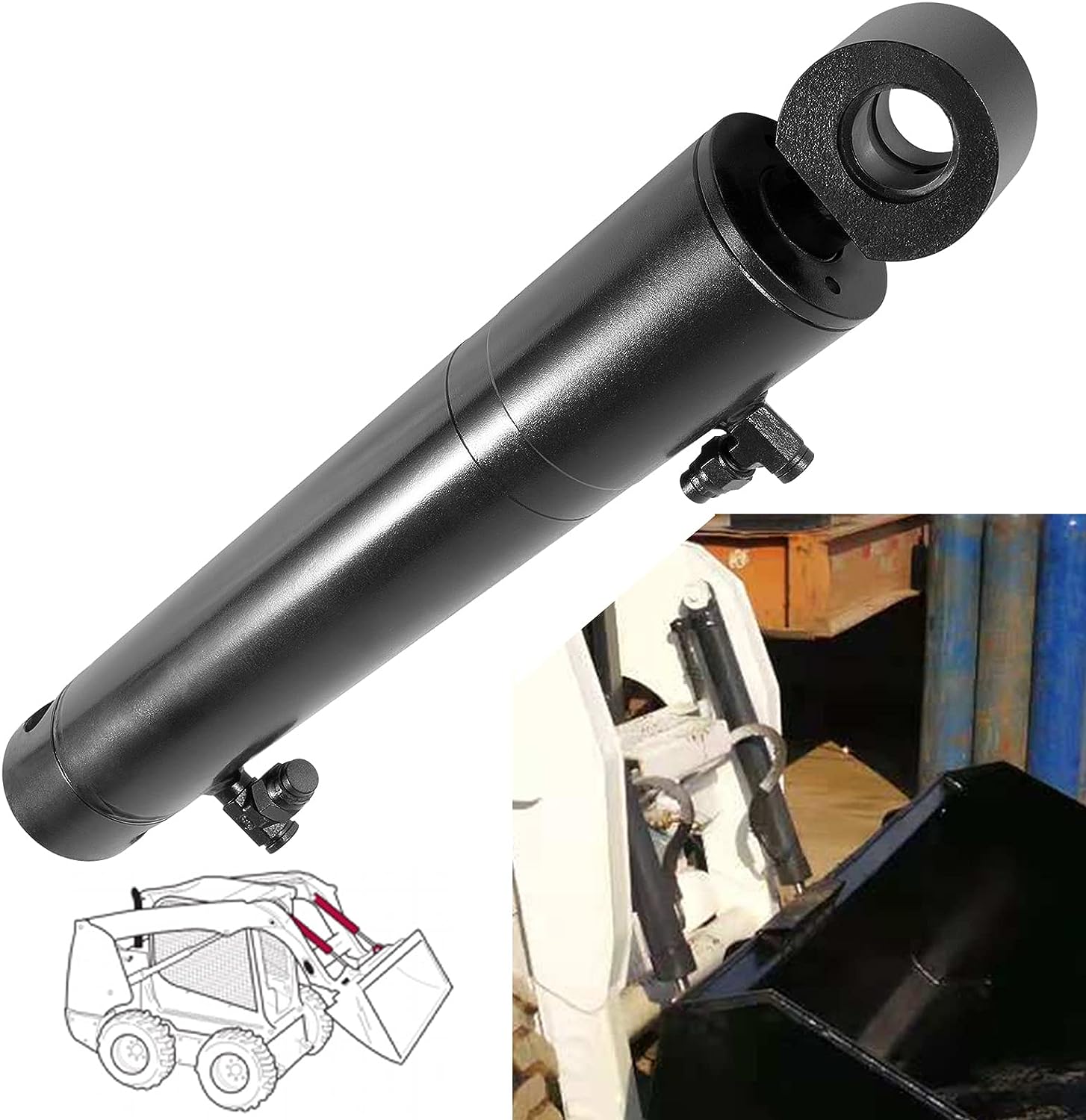
How does a tilt cylinder handle variations in hydraulic pressure and flow rate?
A tilt cylinder is designed to handle variations in hydraulic pressure and flow rate effectively. It incorporates specific features and mechanisms that allow it to operate reliably under different hydraulic conditions. Here’s a detailed explanation:
- Pressure Compensation: Tilt cylinders are equipped with pressure compensation mechanisms to handle variations in hydraulic pressure. These mechanisms ensure that the cylinder can function properly even when the hydraulic system experiences fluctuations in pressure. The pressure compensation feature allows the cylinder to maintain consistent force and performance, regardless of the changes in hydraulic pressure.
- Flow Control: Tilt cylinders are designed to accommodate variations in hydraulic flow rate. They have internal passages and ports that allow the hydraulic fluid to flow into and out of the cylinder. The cylinder’s design ensures that it can handle different flow rates without compromising its functionality. Whether the hydraulic flow rate is high or low, the tilt cylinder can adjust accordingly and provide the necessary force and control for load manipulation.
- Sealing Mechanisms: Tilt cylinders incorporate sealing mechanisms to prevent leakage and maintain hydraulic integrity. These seals are designed to withstand variations in pressure and flow rate, ensuring that the hydraulic fluid remains contained within the cylinder. The seals also help maintain the required pressure within the cylinder, allowing it to operate efficiently and effectively, regardless of the hydraulic conditions.
- Internal Design: The internal design of a tilt cylinder takes into account variations in hydraulic pressure and flow rate. The cylinder’s internal components, such as piston, rod, and cylinder barrel, are engineered to withstand different hydraulic conditions. They are designed to handle the forces exerted by varying pressure and flow rates, ensuring smooth operation and longevity of the cylinder.
- Hydraulic System Compatibility: Tilt cylinders are designed to be compatible with the hydraulic systems of the equipment they are installed in. Manufacturers ensure that the cylinders can handle the expected pressure and flow rate ranges of the hydraulic system. This compatibility allows for seamless integration and optimal performance, even when there are variations in hydraulic conditions.
- Quality Control and Testing: Tilt cylinders undergo rigorous quality control measures and testing during the manufacturing process. These measures ensure that the cylinders can handle variations in hydraulic pressure and flow rate within specified tolerances. Manufacturers test the cylinders under different hydraulic conditions to verify their performance, reliability, and ability to handle variations in pressure and flow.
By incorporating pressure compensation mechanisms, flow control features, sealing mechanisms, robust internal design, hydraulic system compatibility, and thorough quality control, tilt cylinders are capable of handling variations in hydraulic pressure and flow rate. These cylinders provide reliable and consistent performance, regardless of the hydraulic conditions, ensuring smooth and efficient operation in material handling and construction equipment.
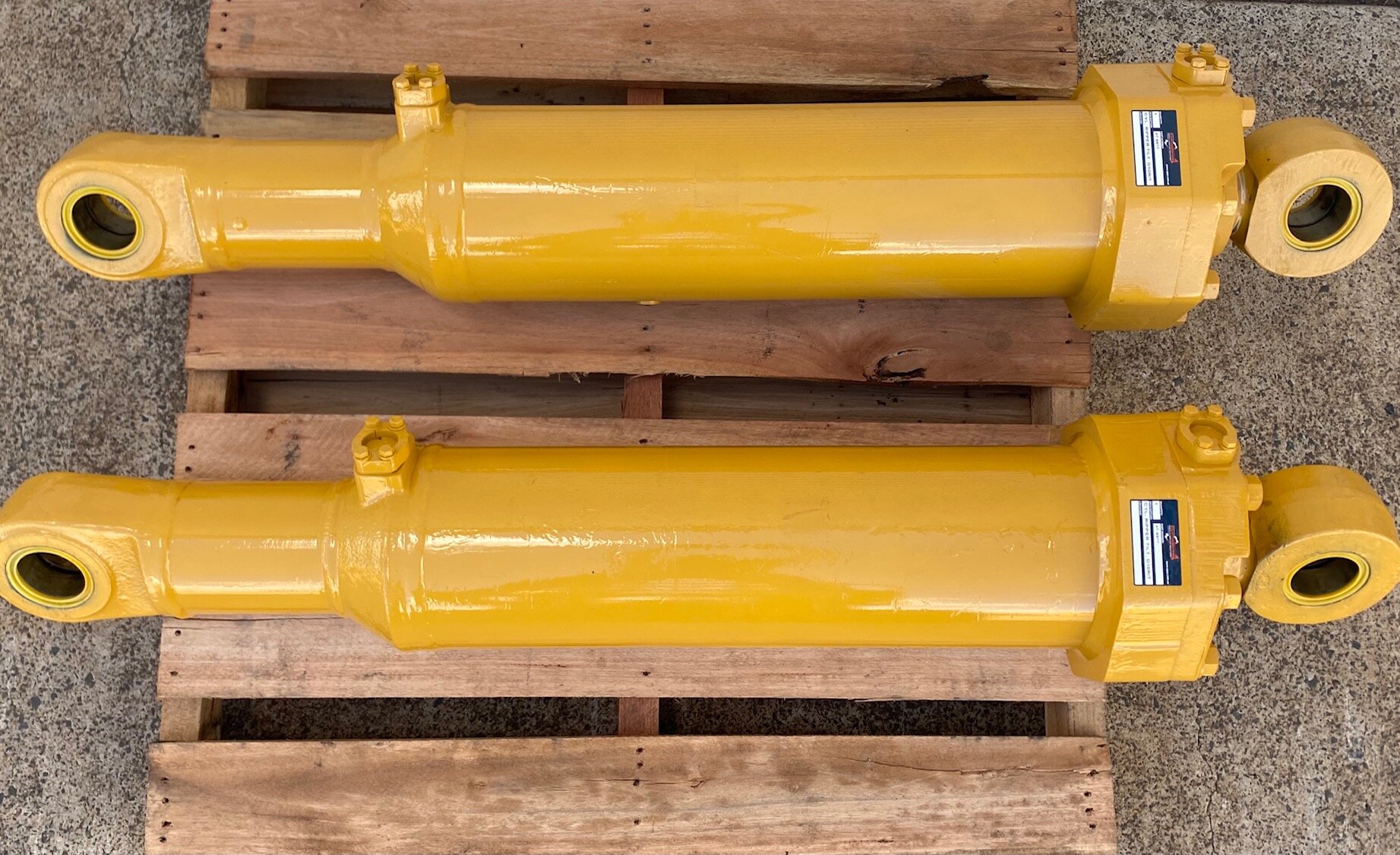
การใช้กระบอกไฮดรอลิกแบบปรับเอียงได้ในเครื่องจักรหนักมีข้อดีอย่างไรบ้าง?
การใช้กระบอกไฮดรอลิกเอียงในเครื่องจักรหนักมีข้อดีหลายประการที่ช่วยเพิ่มผลผลิต ความอเนกประสงค์ และประสิทธิภาพในการปฏิบัติงาน ข้อดีที่สำคัญมีดังนี้:
- ความยืดหยุ่นที่เพิ่มขึ้น: กระบอกไฮดรอลิกแบบปรับเอียงได้ช่วยให้เครื่องจักรหนักสามารถเอียงและปรับมุมของอุปกรณ์หรือเครื่องมือต่างๆ ได้ ทำให้มีความยืดหยุ่นมากขึ้นในการใช้งานต่างๆ เช่น การปรับระดับ การจัดสวน การขนย้ายวัสดุ และการขุด การที่สามารถเอียงอุปกรณ์ได้ช่วยให้ผู้ใช้งานควบคุมตำแหน่งและทิศทางได้อย่างแม่นยำ ปรับปรุงความถูกต้องและประสิทธิภาพในการทำงานให้เสร็จสมบูรณ์
- ความเสถียรที่ดียิ่งขึ้น: กระบอกไฮดรอลิกแบบปรับเอียงได้ช่วยเพิ่มความเสถียรและความสมดุลของอุปกรณ์หนัก การปรับเอียงอุปกรณ์หรือเครื่องมือให้เหมาะสมกับสภาพภูมิประเทศหรือสภาพการบรรทุก ช่วยให้ผู้ใช้งานรักษาความเสถียรได้ดีขึ้นในระหว่างการใช้งาน ซึ่งเป็นประโยชน์อย่างยิ่งในพื้นที่ขรุขระหรือพื้นที่ที่ท้าทาย ซึ่งการรักษาความเสถียรเป็นสิ่งสำคัญอย่างยิ่งต่อการทำงานที่ปลอดภัยและมีประสิทธิภาพ
- ประสิทธิภาพที่เพิ่มขึ้น: กระบอกปรับมุมเอียงช่วยเพิ่มประสิทธิภาพการทำงานของเครื่องจักรหนัก ด้วยการอนุญาตให้ผู้ปฏิบัติงานปรับมุมเอียงได้โดยไม่ต้องเคลื่อนย้ายเครื่องจักรทั้งหมด ทำให้ประหยัดเวลาและแรงงาน ผู้ปฏิบัติงานสามารถเปลี่ยนมุมของอุปกรณ์ต่อพ่วงได้อย่างรวดเร็วและง่ายดาย ช่วยเพิ่มประสิทธิภาพการทำงานของเครื่องจักรและลดความจำเป็นในการปรับแต่งด้วยตนเองหรืออุปกรณ์เพิ่มเติม
- การควบคุมวัสดุอย่างแม่นยำ: กระบอกเอียงช่วยให้สามารถควบคุมวัสดุที่กำลังจัดการหรือเคลื่อนย้ายได้อย่างแม่นยำ ตัวอย่างเช่น ในงานขนถ่ายหรือเทวัสดุ ผู้ปฏิบัติงานสามารถเอียงถังหรืออุปกรณ์เสริมเพื่อควบคุมมุมการเทได้อย่างแม่นยำ การควบคุมในระดับนี้ช่วยเพิ่มความแม่นยำ ลดการหกเลอะเทอะ และลดการสูญเสียวัสดุ ส่งผลให้ประหยัดต้นทุนและเพิ่มประสิทธิภาพการดำเนินงาน
- ความอเนกประสงค์และความสามารถในการปรับตัว: กระบอกไฮดรอลิกปรับมุมเอียงช่วยเพิ่มความอเนกประสงค์และความสามารถในการปรับตัวของเครื่องจักรหนัก ด้วยความสามารถในการปรับมุมเอียง เครื่องจักรจึงสามารถใช้งานได้หลากหลายงานและแอปพลิเคชันมากขึ้น กระบอกไฮดรอลิกปรับมุมเอียงช่วยให้เครื่องจักรสามารถรองรับอุปกรณ์เสริมหรือเครื่องมือต่างๆ ได้ ทำให้เพิ่มขีดความสามารถและเหมาะสมกับความต้องการของงานต่างๆ
- ความสะดวกสบายและความปลอดภัยของผู้ปฏิบัติงาน: กระบอกปรับมุมเอียงช่วยเพิ่มความสะดวกสบายและความปลอดภัยให้กับผู้ปฏิบัติงาน การปรับมุมเอียงช่วยให้ผู้ปฏิบัติงานรักษาสรีระที่เหมาะสมและลดความเมื่อยล้าในระหว่างการใช้งานเป็นเวลานาน นอกจากนี้ ความสามารถในการควบคุมมุมเอียงยังช่วยเพิ่มความปลอดภัยโดยให้ทัศนวิสัยและการควบคุมพื้นที่ทำงานของอุปกรณ์ได้ดีขึ้น ลดความเสี่ยงต่ออุบัติเหตุและความเสียหาย
ข้อดีของการใช้กระบอกไฮดรอลิกปรับเอียงในเครื่องจักรหนัก ทำให้กระบอกไฮดรอลิกเป็นส่วนประกอบสำคัญในอุตสาหกรรมต่างๆ เช่น การก่อสร้าง การทำเหมือง การเกษตร และการขนถ่ายวัสดุ กระบอกไฮดรอลิกปรับเอียงช่วยเพิ่มประสิทธิภาพการทำงาน เพิ่มประสิทธิภาพ และปรับปรุงความปลอดภัย ซึ่งท้ายที่สุดแล้วจะนำไปสู่การเพิ่มผลผลิตและความคุ้มค่าด้านต้นทุน
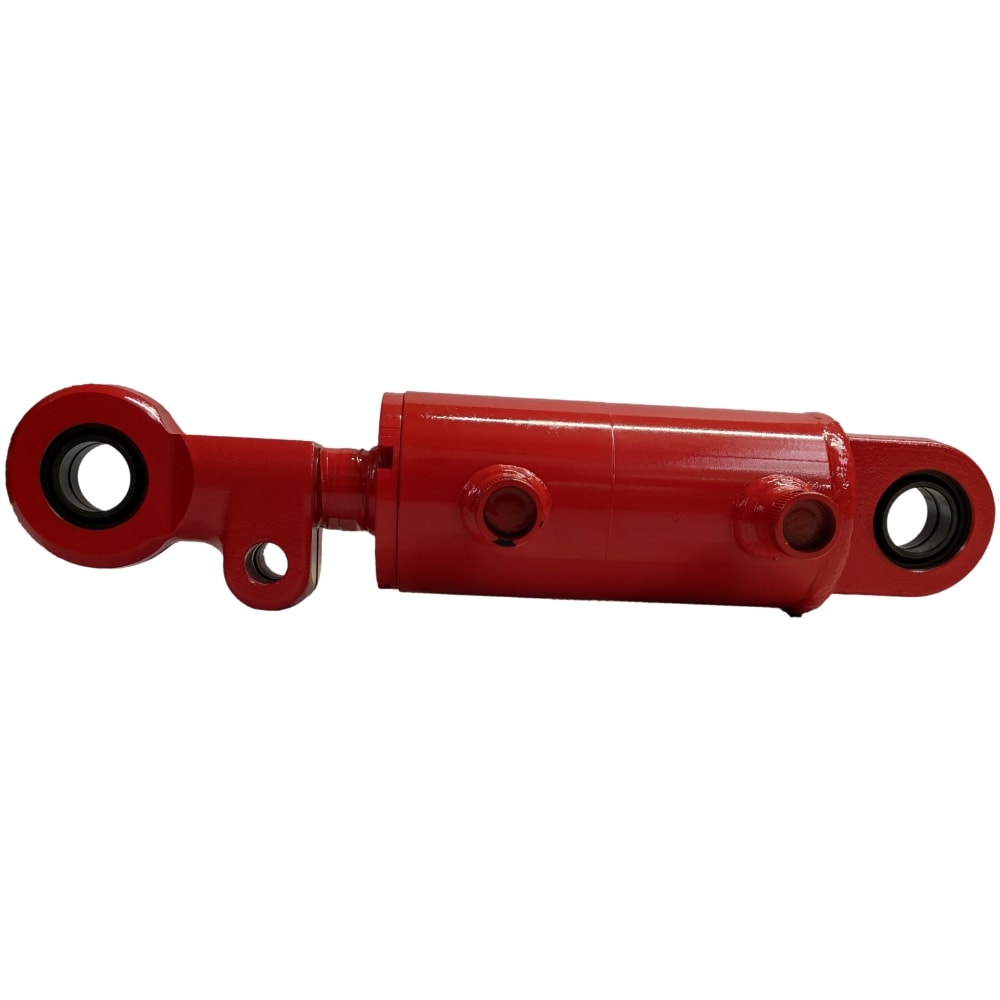
กระบอกปรับระดับสามารถใช้ได้ทั้งสำหรับการเอียงและการปรับระดับหรือไม่?
ใช่แล้ว กระบอกไฮดรอลิกสำหรับปรับเอียงสามารถใช้ได้ทั้งในการเอียงและการปรับระดับ เป็นชิ้นส่วนไฮดรอลิกอเนกประสงค์ที่ออกแบบมาเพื่อควบคุมการเอียงและช่วยในการปรับระดับ ต่อไปนี้เป็นคำอธิบายโดยละเอียด:
การใช้งานแบบเอียง:
กระบอกปรับเอียงมักใช้สำหรับงานปรับเอียงในอุตสาหกรรมต่างๆ ช่วยให้สามารถควบคุมการเอียงหรือการปรับมุมของชิ้นส่วนที่ติดอยู่กับเครื่องจักรขนาดใหญ่ได้ ตัวอย่างเช่น:
- ในเครื่องจักรกลก่อสร้าง กระบอกปรับเอียงช่วยให้สามารถปรับบุ้งกี๋ ใบมีด หรืออุปกรณ์เสริมต่างๆ ทำให้สามารถขุด ปรับระดับ และปรับพื้นผิวได้อย่างแม่นยำ
- ในเครื่องจักรสำหรับการทำเหมือง กระบอกปรับมุมจะควบคุมมุมของบุ้งกี๋หรือใบมีด ทำให้การขนถ่ายวัสดุและการขุดมีประสิทธิภาพมากขึ้น
- ในอุปกรณ์ทางการเกษตร กระบอกปรับเอียงช่วยให้สามารถเอียงอุปกรณ์ต่างๆ เช่น ไถหรือบุ้งกี๋ ทำให้เกษตรกรสามารถปรับมุมการทำงานเพื่อการไถพรวนดินหรือการขนย้ายวัสดุได้อย่างเหมาะสมที่สุด
- ในเครื่องจักรขนถ่ายวัสดุ กระบอกปรับเอียงใช้สำหรับควบคุมการเอียงของงา แท่น หรืออุปกรณ์เสริมต่างๆ ซึ่งช่วยให้การขนถ่าย การจัดเรียง และการวางซ้อนสินค้ามีประสิทธิภาพยิ่งขึ้น
การใช้งานสำหรับการปรับระดับ:
นอกจากใช้ในการเอียงแล้ว กระบอกเอียงยังสามารถใช้สำหรับการปรับระดับได้อีกด้วย การปรับระดับเกี่ยวข้องกับการปรับตำแหน่งหรือการจัดแนวในแนวนอนของอุปกรณ์เพื่อให้แน่ใจว่าพื้นผิวเรียบและมั่นคง กระบอกเอียงสามารถช่วยในการปรับระดับได้โดย:
- การชดเชยความไม่เรียบของพื้นผิว: กระบอกปรับเอียงสามารถใช้ปรับมุมเอียงของอุปกรณ์ต่อพ่วง เพื่อชดเชยพื้นผิวที่ไม่เรียบและรักษาระดับให้คงที่
- การจัดแนวส่วนประกอบ: กระบอกปรับระดับสามารถใช้ในการจัดแนวหรือปรับระดับส่วนประกอบต่างๆ เช่น ใบมีด ถัง หรือแท่น เพื่อให้มั่นใจได้ว่าการปรับระดับมีความสม่ำเสมอและแม่นยำทั่วทั้งพื้นที่ทำงาน
- การปรับแต่งอย่างละเอียด: วาล์วควบคุมในกระบอกไฮดรอลิกช่วยให้สามารถควบคุมการเคลื่อนที่แบบเอียงได้อย่างแม่นยำ ผู้ปฏิบัติงานสามารถปรับแต่งเล็กน้อยเพื่อให้ได้ระดับที่ต้องการ ทำให้มั่นใจได้ว่าการปรับระดับมีความแม่นยำ
ด้วยการใช้ประโยชน์จากความสามารถในการควบคุมและช่วงการเคลื่อนที่ของกระบอกไฮดรอลิกแบบเอียง ผู้ปฏิบัติงานสามารถดำเนินการทั้งการเอียงและการปรับระดับได้อย่างมีประสิทธิภาพโดยใช้ส่วนประกอบไฮดรอลิกเดียวกัน
โดยสรุปแล้ว กระบอกไฮดรอลิกสำหรับปรับเอียงนั้นใช้งานได้หลากหลายและสามารถใช้ได้ทั้งในการเอียงและการปรับระดับ ช่วยให้สามารถเอียงชิ้นส่วนต่างๆ ได้อย่างควบคุมในอุตสาหกรรมต่างๆ และยังช่วยในการปรับระดับได้อย่างแม่นยำ ความสามารถในการทำงานทั้งสองอย่างนี้ทำให้กระบอกไฮดรอลิกสำหรับปรับเอียงเป็นชิ้นส่วนไฮดรอลิกที่มีคุณค่าในอุปกรณ์ที่ต้องการการเอียงและการปรับระดับ


editor by CX 2023-10-16