Description du produit
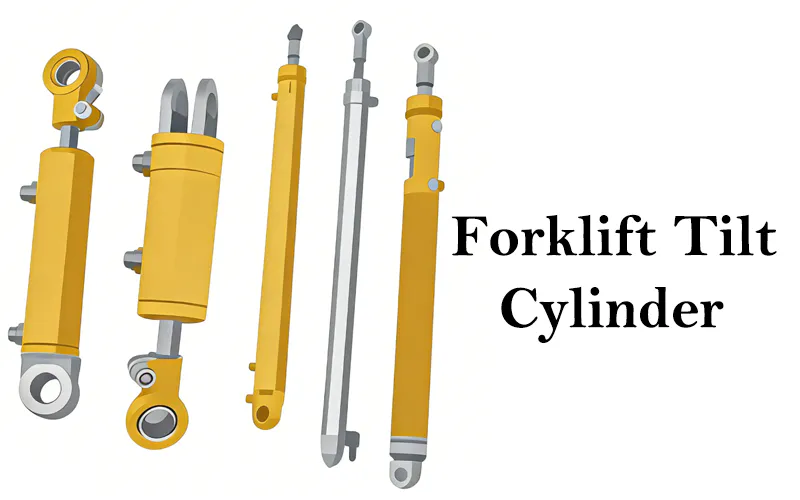
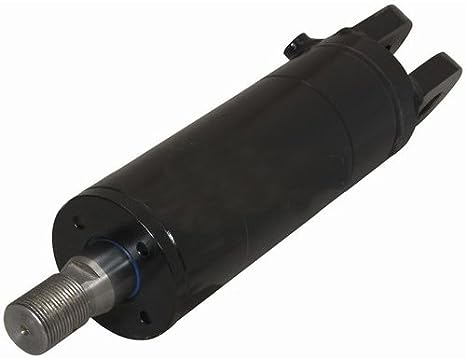
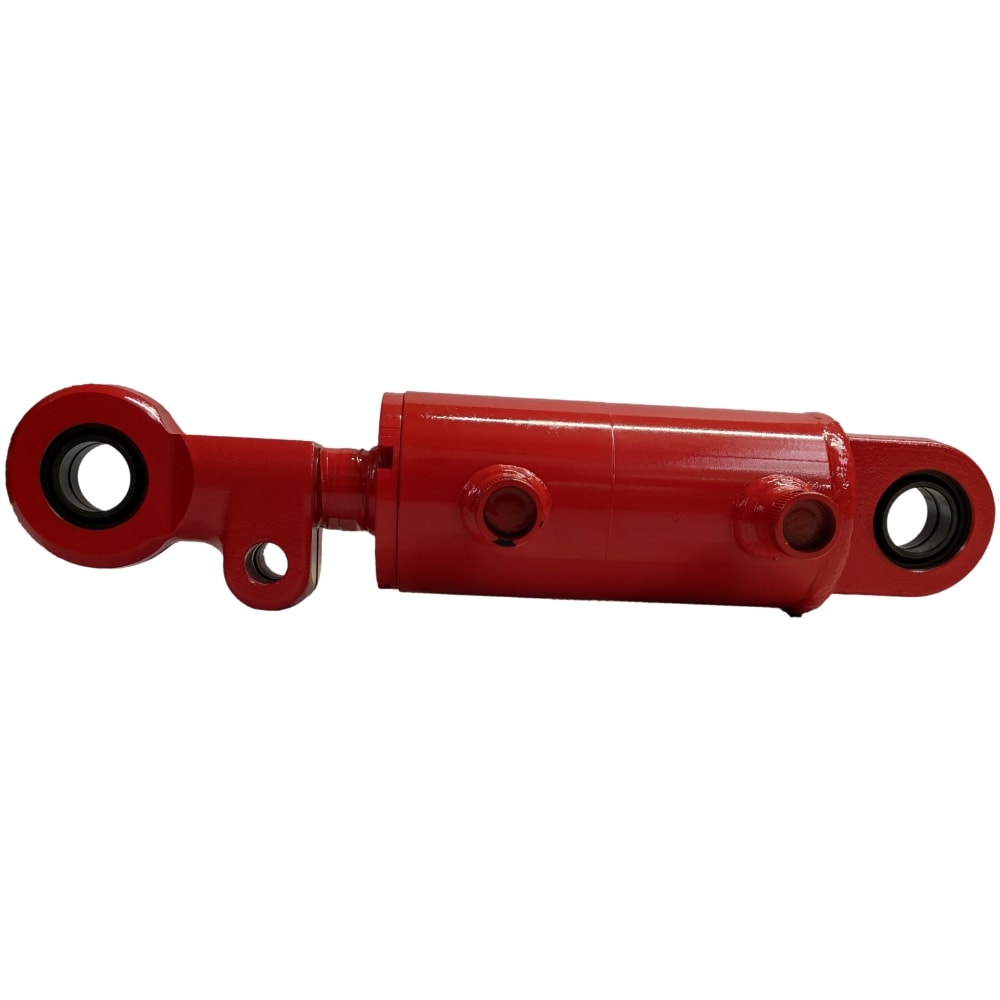
vérin hydraulique double effet à petit piston pour chariot élévateur
Description du produit
Les vérins hydrauliques à double effet de type Eaton, Parker, Hercules, Prince et Cross sont utilisés pour les remorques, les machines agricoles, les camions à ordures, les plateformes de débarquement, etc.
Clients hydrauliques Tsingshi, MAN, JAC, VOLVO, SHACMAN, DAF, JMC, HUNO, CIMC, SINOTRUK, TATRA, BENS, XIHU (WEST LAKE) DIS.FENG, FOTON, etc.
1. Tige de piston chromée dur par électrolyse ;
2. Vérin hydraulique à double effet plus léger et plus facile à entretenir ;
3. Les tubes en acier sans soudure allié de haute qualité possèdent de meilleures propriétés mécaniques ;
4. Les marques de sceaux de renommée mondiale, telles que Parker, Merkel, Hallite, Kaden, etc. ;
5. Une technologie de traitement de classe mondiale garantit une qualité stable et fiable.
| NON | ARTICLE | Données du vérin hydraulique à double effet |
| 1 | Matériel | Acier au carbone, acier allié, 27SiMn, 45#, 20#, etc. |
| 2 | Tube rodé | 40-300 mm, Traitement thermique, rodage, laminage |
| 3 | Tube rodé | 30-280 mm, nickelé, chromé dur ou céramique |
| 4 | Kit de joints | Parker, Merkel, Hallite, Kaden, etc. |
| 5 | Revêtement | Sablage, peinture d'apprêt, peinture intermédiaire, peinture de finition, La couleur peut être appliquée selon les exigences du client. |
| 6 | Technologie | vérin hydraulique à double effet |
| 7 | Type de montage | Œillet, bride, montage à tourillon, montage à rotule, filetage. FC, FE, FEE, FSE, TPIN |
| 8 | milieu de travail | Huile hydraulique |
| 9 | Pression de service | Cylindre hydraulique à double effet 16-20 MPa |
| 10 | Plage de température | -50°C à +100°C |
Photos détaillées
Profil de l'entreprise
Tsingshi Hydraulic est une entreprise spécialisée dans les vérins hydrauliques télescopiques pour camions-bennes, qui conçoit, développe, fabrique, vend et entretient des produits hydrauliques, notamment des vérins hydrauliques à double effet.
- Vérin hydraulique à double effet Certification ISO9001 TS16949, etc.
-Mini vérin hydraulique à double effet Exportation vers l'Amérique du Nord, l'Amérique du Sud, l'Australie, la Corée du Sud, l'Asie du Sud-Est, l'Afrique du Sud, l'Europe, le Moyen-Orient, etc.
-Cylindre hydraulique double effet de petite taille, fabriqué selon les exigences du client (ODM et OEM) ;
-Fabricant et fournisseur professionnel de vérins hydrauliques depuis plus de 30 ans ;
Le micro-vérin hydraulique à double effet peut être utilisé pour les camions-bennes, les semi-remorques, les engins agricoles, les camions à ordures, les nacelles élévatrices, etc. Nous fabriquons des vérins hydrauliques pour les marques suivantes : HYVA, BINOTTO, EDBRO, PENTA, MAILHOT, CUSTOM HOIST, MUNCIE, METARIS, HYDRAULEX GLOBAL, HYCO, PARKER, COMMERCIAL HYDRAULICS, MEILLER, WTJX, XT, JX, HCIC, ZX, SZ et SJ.
PHOTOS DES CLIENTS
GARANTIE DE QUALITÉ
GARANTIE DE HAUTE QUALITÉ - Cylindre hydraulique à double effet
-Service 24h/24 et 7j/7.
-Prix compétitif.
-Équipe technique professionnelle.
- Système de service après-vente irréprochable.
- Cylindre hydraulique ODM et OEM selon les besoins du client.
- Forte capacité de production de vérins hydrauliques pour garantir une livraison rapide.
- Garantie de qualité. Chaque étape du processus est inspectée et tous les produits sont testés avant de quitter l'usine.
<hydraulic cylinder double acting Leak Test
<mini hydraulic cylinder Buffer Test
<small hydraulic cylinder Reliability Test
<micro hydraulic cylinder Full Stroke Test
<mini double acting hydraulic cylinder Operation Test
<micro double acting hydraulic cylinder Pressure Tight Test
<small double acting hydraulic cylinder Load Efficiency Test
<double action hydraulic cylinder Start-up Pressure Test
<double acting hydraulic cylinder Testing the Effect of Limit
VENTES ET SERVICE
GAMME DE PRODUITS
UN MONDE, UN AMOUR
| Certification : | CE, ISO/TS16949 |
|---|---|
| Pression: | moyenne pression |
| Température de fonctionnement : | Température normale |
| Manière d'agir : | Double jeu |
| Méthode de travail : | Voyage direct |
| Forme ajustée : | Type réglementé |
| Exemples : |
US$ 100/Pièce
1 pièce (commande minimale) | |
|---|
| Personnalisation : |
Disponible
|
|
|---|
Les vérins inclinables peuvent-ils être utilisés dans les machines de fabrication pour le traitement des matériaux ?
Oui, les vérins inclinables peuvent être utilisés dans les machines de production pour le traitement des matériaux. Ces vérins offrent plusieurs avantages qui améliorent l'efficacité, la polyvalence et la précision des opérations de traitement des matériaux. Voici une explication détaillée :
- Réglage de l'angle d'inclinaison : Les vérins d'inclinaison permettent un réglage précis de l'angle d'inclinaison des équipements, tels que les outils de coupe, les têtes de fraisage ou les plateformes d'usinage. Cette capacité de réglage permet aux opérateurs d'obtenir l'angle d'inclinaison souhaité pour les opérations d'usinage. En contrôlant l'angle d'inclinaison, les opérateurs peuvent optimiser l'angle de coupe ou d'usinage, ce qui améliore la précision, la qualité et l'efficacité.
- Positionnement des matériaux : Les vérins d’inclinaison facilitent le positionnement précis des matériaux pendant l’usinage. En ajustant l’angle d’inclinaison de l’équipement, les opérateurs peuvent aligner le matériau dans la position idéale pour la découpe, le façonnage ou d’autres opérations d’usinage. Ceci garantit un contact constant du matériau avec les outils de coupe ou les surfaces d’usinage, minimisant les erreurs et améliorant la précision globale.
- Accessibilité accrue : Les vérins inclinables offrent une meilleure accessibilité au matériau traité. En inclinant l’équipement, les opérateurs peuvent accéder plus facilement à différentes zones du matériau, même aux surfaces difficiles d’accès ou complexes. Cette accessibilité facilite un traitement efficace et permet d’exécuter plus aisément des opérations complexes.
- Optimisation des procédés : Les vérins d’inclinaison contribuent à l’optimisation des procédés en permettant aux opérateurs d’ajuster l’angle d’inclinaison en fonction des caractéristiques spécifiques du matériau ou des exigences de traitement. Par exemple, certains matériaux peuvent nécessiter un angle d’inclinaison précis pour optimiser l’évacuation des copeaux lors de la découpe ou améliorer l’efficacité du façonnage. La possibilité d’optimiser l’angle d’inclinaison améliore le contrôle du procédé et garantit la qualité de production souhaitée.
- Flexibilité dans la manutention des matériaux : Les vérins d’inclinaison offrent une grande flexibilité dans la manutention des matériaux lors des opérations de traitement. Ils permettent d’incliner les pièces ou les plateformes, offrant ainsi aux opérateurs la possibilité d’orienter le matériau dans la position la plus appropriée pour le traitement. Cette flexibilité s’adapte à différentes formes, tailles et orientations de matériaux, élargissant ainsi la gamme de matériaux pouvant être traités efficacement par la machine.
- Intégration à l'automatisation : Les vérins d'inclinaison peuvent être intégrés aux systèmes d'automatisation des machines de production. Cette intégration permet le réglage automatisé de l'angle d'inclinaison selon des paramètres prédéfinis ou grâce aux données de capteurs. En intégrant les vérins d'inclinaison aux systèmes automatisés de traitement des matériaux, les fabricants peuvent obtenir des résultats de traitement constants et reproductibles, réduire les interventions manuelles et améliorer la productivité globale.
Par conséquent, les vérins d'inclinaison peuvent être utilisés efficacement dans les machines de production pour le traitement des matériaux. Qu'il s'agisse du réglage de l'angle d'inclinaison, du positionnement des matériaux, d'une meilleure accessibilité, de l'optimisation des processus, de la flexibilité de la manutention ou de l'intégration à l'automatisation, les vérins d'inclinaison contribuent à améliorer l'efficacité, la précision et la polyvalence des opérations de traitement des matériaux dans l'industrie manufacturière.
Comment un vérin d'inclinaison contribue-t-il au fonctionnement écoénergétique des équipements ?
Un vérin d'inclinaison joue un rôle important dans l'amélioration de l'efficacité énergétique des équipements. Grâce à certaines caractéristiques et fonctionnalités de conception, les vérins d'inclinaison contribuent à optimiser la consommation d'énergie et à améliorer les performances globales des équipements. Voici une explication détaillée :
- Contrôle précis : Les vérins d’inclinaison permettent un contrôle précis de l’angle et de la position des accessoires ou outils, tels que les lames ou les godets. Ce niveau de contrôle permet aux opérateurs d’effectuer leurs tâches avec une plus grande précision, minimisant ainsi les reprises et les passages supplémentaires. En atteignant l’angle ou la position souhaitée dès la première tentative, la consommation d’énergie est réduite, ce qui améliore l’efficacité du matériel.
- Réduction des efforts inutiles : Les vérins d’inclinaison permettent d’éviter les efforts inutiles en offrant aux opérateurs la possibilité d’ajuster l’angle d’inclinaison en fonction des exigences spécifiques de la tâche à accomplir. Par exemple, lors de travaux de nivellement, la possibilité d’ajuster précisément l’angle de la lame garantit le déplacement de la seule quantité de terre nécessaire, évitant ainsi des efforts et une dépense d’énergie superflus. En minimisant les efforts inutiles, les vérins d’inclinaison contribuent aux économies d’énergie et à une utilisation plus efficace des équipements.
- Manutention optimisée : Sur les engins tels que les pelles hydrauliques, les vérins d’inclinaison permettent un contrôle précis de l’angle d’inclinaison du godet lors des opérations de manutention. Ce contrôle optimisé garantit le chargement ou le déchargement de la quantité exacte de matériaux, minimisant ainsi les pertes et les mouvements inutiles. En réduisant le gaspillage de matériaux et en améliorant l’efficacité de la manutention, la consommation d’énergie est optimisée, ce qui se traduit par un fonctionnement écoénergétique de l’équipement.
- Efficacité du système hydraulique : Les vérins d’inclinaison font partie du système hydraulique des équipements. Un système hydraulique bien conçu, incluant le vérin d’inclinaison, garantit une transmission de puissance efficace et des pertes d’énergie minimales. Grâce à l’utilisation de technologies hydrauliques avancées, telles que des pompes, des distributeurs et des systèmes de commande performants, les fabricants d’équipements peuvent optimiser l’efficacité énergétique de l’ensemble du système, y compris le fonctionnement du vérin d’inclinaison.
- Systèmes de commande intelligents : Certains équipements modernes intègrent des systèmes de commande intelligents qui gèrent le vérin d’inclinaison. Ces systèmes utilisent des capteurs, des actionneurs et des capacités de traitement des données pour optimiser le fonctionnement de l’équipement et sa consommation d’énergie. En analysant des données en temps réel, telles que les conditions de charge, les caractéristiques du terrain et les actions de l’opérateur, le système de commande ajuste le fonctionnement du vérin d’inclinaison pour une efficacité énergétique maximale tout en maintenant la productivité.
- Intégration et optimisation du système : Les vérins d’inclinaison sont conçus pour s’intégrer parfaitement à l’ensemble du système d’équipement. Les fabricants optimisent l’interaction entre le vérin d’inclinaison, le système hydraulique, les systèmes de commande et les autres composants afin d’obtenir un fonctionnement écoénergétique de l’équipement. Les composants sont sélectionnés et conçus pour fonctionner en harmonie, minimisant ainsi les pertes d’énergie et maximisant les performances du système.
En permettant un contrôle précis, en réduisant les efforts inutiles, en optimisant la manutention des matériaux, en contribuant à l'efficacité des systèmes hydrauliques, en intégrant des systèmes de contrôle intelligents et en privilégiant l'intégration et l'optimisation des systèmes, les vérins d'inclinaison contribuent significativement à un fonctionnement écoénergétique des équipements. Ces vérins jouent un rôle essentiel dans l'amélioration de la productivité tout en minimisant la consommation d'énergie, en favorisant le développement durable et en réduisant les coûts d'exploitation.
What is the importance of regular maintenance for tilt cylinders?
Regular maintenance is crucial for tilt cylinders to ensure their optimal performance and longevity. Proper maintenance helps prevent potential issues, extends the lifespan of the cylinders, and enhances overall equipment reliability. Here are the key reasons highlighting the importance of regular maintenance for tilt cylinders:
- Preventive Maintenance: Regular maintenance allows for the early detection and prevention of potential problems. By inspecting tilt cylinders at regular intervals, any signs of wear, damage, leaks, or misalignment can be identified early on. Timely maintenance interventions, such as lubrication, seal replacements, or component adjustments, can be performed to prevent further damage and costly repairs.
- Optimal Performance: Tilt cylinders that receive regular maintenance are more likely to maintain their optimal performance. Proper lubrication of moving parts, such as pins and bushings, ensures smooth operation and minimizes friction, reducing wear and tear. Regular cleaning and inspection of hydraulic lines and valves help maintain proper fluid flow, ensuring efficient operation of the cylinder. By keeping the tilt cylinder in good condition, equipment operators can rely on consistent and reliable tilting performance.
- Equipment Safety: Well-maintained tilt cylinders contribute to equipment safety. A malfunctioning or poorly maintained tilt cylinder can lead to unexpected failures or accidents, posing risks to operators, bystanders, and the surrounding environment. Regular maintenance helps identify and rectify potential safety issues, ensuring that the tilt cylinder operates safely and reliably during equipment operation.
- Longevity and Cost Savings: Regular maintenance significantly extends the lifespan of tilt cylinders. By addressing minor issues promptly and performing preventive maintenance tasks, the overall wear and tear on the cylinder can be minimized. This prolongs the cylinder’s lifespan, reducing the frequency of replacements and associated costs. Additionally, regular maintenance helps avoid costly downtime caused by unexpected cylinder failures, leading to increased productivity and cost savings in the long run.
- Manufacturer Recommendations: Following the manufacturer’s recommended maintenance schedule is essential for tilt cylinders. Manufacturers provide specific guidelines on maintenance tasks, intervals, and recommended spare parts. Adhering to these recommendations ensures that the cylinder is properly maintained according to the manufacturer’s specifications, preserving warranty coverage and maintaining compliance with industry standards.
In conclusion, regular maintenance for tilt cylinders is vital for their reliable performance, equipment safety, and longevity. By conducting preventive maintenance, ensuring optimal performance, and adhering to manufacturer recommendations, operators can maximize the lifespan of the tilt cylinders, minimize downtime, and enhance the overall efficiency and safety of the equipment.


Édité par CX le 06/11/2023