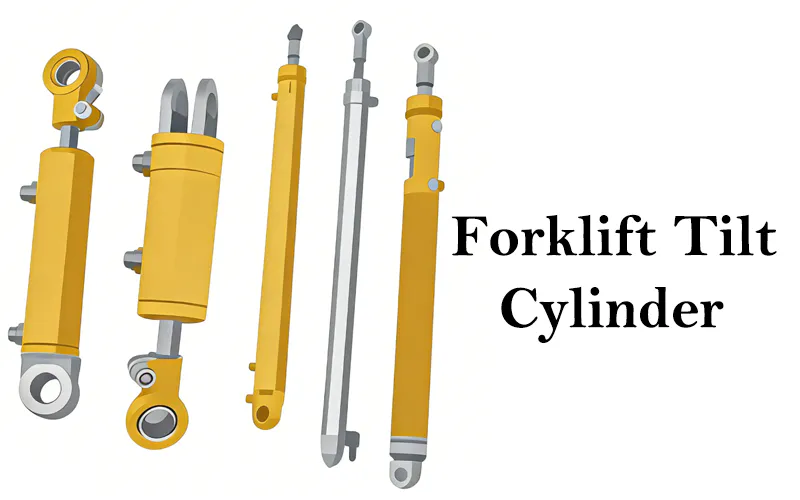
Mô tả sản phẩm
xi lanh thủy lực tác động kép cỡ nhỏ cho xe nâng
Mô tả sản phẩm
Các loại xi lanh thủy lực tác động kép Eaton, Parker, Hercules, Prince, Cross được sử dụng trong xe moóc, máy móc nông nghiệp, xe chở rác, bệ nâng hàng, v.v.
Khách hàng thủy lực Tsingshi, MAN, JAC, VOLVO, SHACMAN, DAF, JMC, HUNO, CIMC, SINOTRUK, TATRA,BENS,XIHU (TÂY LAKE) DIS.FENG, FOTON, v.v.
1. Thanh piston mạ crom cứng;
2. Xi lanh thủy lực tác động kép nhẹ hơn và dễ bảo trì hơn;
3. Ống thép liền mạch hợp kim chất lượng cao có tính chất cơ học tốt hơn;
4. Các thương hiệu niêm phong nổi tiếng thế giới, như Parker, Merkel, Hallite, Kaden, v.v.;
5. Công nghệ chế biến đạt tiêu chuẩn quốc tế đảm bảo chất lượng ổn định và đáng tin cậy.
| KHÔNG | MỤC | Xi lanh thủy lực tác động kép DATA |
| 1 | Vật liệu | Thép cacbon, thép hợp kim, 27SiMn, 45#, 20#, v.v. |
| 2 | Ống được mài nhẵn | 40-300mm, Xử lý nhiệt, mài bóng, cán |
| 3 | Ống được mài nhẵn | 30-280mm, mạ niken, crom cứng hoặc gốm sứ. |
| 4 | Bộ gioăng | Parker, Merkel, Hallite, Kaden, v.v. |
| 5 | Lớp phủ | Phun cát, sơn lót, sơn giữa, sơn hoàn thiện. Màu sơn có thể được tùy chỉnh theo yêu cầu của khách hàng. |
| 6 | Công nghệ | xi lanh thủy lực tác động kép |
| 7 | Loại lắp đặt | Mắt ghim, mặt bích, giá đỡ trục xoay, giá đỡ bi, ren vít. FC, FE, FEE, FSE, TPIN |
| 8 | Phương tiện làm việc | Dầu thủy lực |
| 9 | Áp suất làm việc | Xi lanh thủy lực tác động kép 16-20Mpa |
| 10 | Phạm vi nhiệt độ | -50°C đến +100°C |
Ảnh chi tiết
Hồ sơ công ty
Công ty Tsingshi Hydraulic chuyên sản xuất xi lanh thủy lực dạng ống lồng cho xe ben tự đổ, hoạt động trong lĩnh vực thiết kế, nghiên cứu, phát triển, sản xuất, bán hàng và dịch vụ các sản phẩm thủy lực - xi lanh thủy lực tác động kép.
- Xi lanh thủy lực tác động kép. Chứng nhận ISO9001, TS16949, v.v.;
-mini double acting hydraulic cylinder Export to North America, South America, Australia, South Korea, Southeast Asia, South Africa, Europe, Middle East, etc;
-ODM&OEM small double acting hydraulic cylinder according to client’s requirements;
- Nhà sản xuất và cung cấp xi lanh thủy lực chuyên nghiệp với hơn 30 năm kinh nghiệm;
- Xi lanh thủy lực tác động kép siêu nhỏ có thể được sử dụng cho xe tải ben, xe ben tự đổ, xe rơ moóc, máy móc nông nghiệp, xe chở rác, sàn nâng hàng, v.v.; Chúng tôi có thể sản xuất xi lanh thủy lực của các thương hiệu sau: HYVA, BINOTTO, EDBRO, PENTA, MAILHOT, CUSTOM HOIST, MUNCIE, METARIS, HYDRAULEX GLOBAL, HYCO, PARKER, COMMERCIAL HYDRAULICS, MEILLER. WTJX, XT, JX, HCIC, ZX, SZ, SJ.
ẢNH KHÁCH HÀNG
ĐẢM BẢO CHẤT LƯỢNG
ĐẢM BẢO CHẤT LƯỢNG CAO - Xi lanh thủy lực tác động kép
- Dịch vụ 24/7.
- Giá cả cạnh tranh.
- Đội ngũ kỹ thuật chuyên nghiệp.
- Hệ thống dịch vụ hậu mãi hoàn hảo.
- Gia công và sản xuất xi lanh thủy lực theo yêu cầu của khách hàng.
- Năng lực sản xuất xi lanh thủy lực mạnh mẽ đảm bảo giao hàng nhanh chóng.
- Đảm bảo chất lượng. Mọi quy trình đều phải được kiểm tra, tất cả sản phẩm cần được thử nghiệm trước khi xuất xưởng.
<hydraulic cylinder double acting Leak Test
<mini hydraulic cylinder Buffer Test
<small hydraulic cylinder Reliability Test
<micro hydraulic cylinder Full Stroke Test
<mini double acting hydraulic cylinder Operation Test
<micro double acting hydraulic cylinder Pressure Tight Test
<small double acting hydraulic cylinder Load Efficiency Test
<double action hydraulic cylinder Start-up Pressure Test
<double acting hydraulic cylinder Testing the Effect of Limit
BÁN HÀNG VÀ DỊCH VỤ
DÒNG SẢN PHẨM
MỘT THẾ GIỚI, MỘT TÌNH YÊU
| Chứng nhận: | CE, ISO/Ts16949 |
|---|---|
| Áp lực: | Áp suất trung bình |
| Nhiệt độ làm việc: | Nhiệt độ bình thường |
| Cách diễn xuất: | Tác động kép |
| Phương pháp làm việc: | Chuyến đi thẳng |
| Dạng điều chỉnh: | Loại được quy định |
| Mẫu: |
US$ 100/Miếng
1 chiếc (Số lượng đặt tối thiểu) | |
|---|
| Tùy chỉnh: |
Có sẵn
|
|
|---|
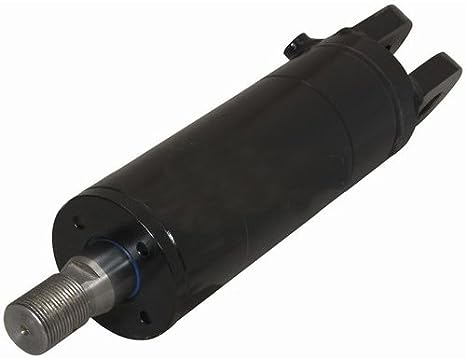
Xi lanh nghiêng có thể được sử dụng trong máy móc sản xuất để gia công vật liệu không?
Đúng vậy, xi lanh nghiêng có thể được sử dụng trong máy móc sản xuất để gia công vật liệu. Các xi lanh này mang lại một số ưu điểm giúp nâng cao hiệu quả, tính linh hoạt và độ chính xác của các hoạt động gia công vật liệu. Dưới đây là giải thích chi tiết:
- Điều chỉnh góc nghiêng: Xi lanh nghiêng cho phép điều chỉnh góc nghiêng chính xác của các phụ kiện thiết bị, chẳng hạn như dụng cụ cắt, đầu phay hoặc bệ gia công. Khả năng điều chỉnh này cho phép người vận hành đạt được góc nghiêng mong muốn cho các tác vụ gia công vật liệu. Bằng cách kiểm soát góc nghiêng, người vận hành có thể tối ưu hóa góc cắt hoặc gia công, dẫn đến độ chính xác, chất lượng và hiệu quả được cải thiện.
- Định vị vật liệu: Xi lanh nghiêng hỗ trợ định vị vật liệu chính xác trong quá trình gia công. Bằng cách điều chỉnh góc nghiêng của thiết bị, người vận hành có thể căn chỉnh vật liệu ở vị trí lý tưởng để cắt, tạo hình hoặc các thao tác gia công khác. Điều này đảm bảo sự tiếp xúc nhất quán giữa vật liệu với các dụng cụ cắt hoặc bề mặt gia công, giảm thiểu sai sót và cải thiện độ chính xác tổng thể.
- Khả năng tiếp cận được cải thiện: Xi lanh nghiêng giúp tăng cường khả năng tiếp cận vật liệu đang được xử lý. Bằng cách nghiêng thiết bị, người vận hành có thể tiếp cận tốt hơn các khu vực khác nhau của vật liệu, ngay cả những bề mặt khó tiếp cận hoặc phức tạp. Khả năng tiếp cận này tạo điều kiện thuận lợi cho quá trình xử lý hiệu quả và cho phép thực hiện các thao tác phức tạp dễ dàng hơn.
- Tối ưu hóa quy trình: Xi lanh nghiêng góp phần tối ưu hóa quy trình bằng cách cho phép người vận hành điều chỉnh góc nghiêng dựa trên đặc tính vật liệu cụ thể hoặc yêu cầu gia công. Ví dụ, một số vật liệu có thể yêu cầu góc nghiêng cụ thể để đạt được hiệu quả loại bỏ phôi tối ưu trong quá trình cắt hoặc để nâng cao hiệu quả tạo hình vật liệu. Khả năng tối ưu hóa góc nghiêng giúp tăng cường khả năng kiểm soát quy trình và đảm bảo chất lượng sản phẩm đầu ra mong muốn.
- Tính linh hoạt trong xử lý vật liệu: Xi lanh nghiêng mang lại sự linh hoạt trong xử lý vật liệu trong quá trình gia công. Chúng cho phép nghiêng các chi tiết gia công hoặc bệ đỡ, giúp người vận hành định hướng vật liệu ở vị trí phù hợp nhất để gia công. Tính linh hoạt này phù hợp với nhiều hình dạng, kích thước và hướng vật liệu khác nhau, mở rộng phạm vi vật liệu có thể được xử lý hiệu quả bằng máy móc.
- Tích hợp với hệ thống tự động hóa: Xi lanh nghiêng có thể được tích hợp với các hệ thống tự động hóa trong máy móc sản xuất. Sự tích hợp này cho phép điều chỉnh góc nghiêng tự động dựa trên các thông số được xác định trước hoặc phản hồi từ cảm biến. Bằng cách tích hợp xi lanh nghiêng vào các hệ thống xử lý vật liệu tự động, các nhà sản xuất có thể đạt được kết quả xử lý nhất quán và có thể lặp lại, giảm sự can thiệp thủ công và cải thiện năng suất tổng thể.
Do đó, xi lanh nghiêng có thể được sử dụng hiệu quả trong máy móc sản xuất để gia công vật liệu. Cho dù đó là điều chỉnh góc nghiêng, định vị vật liệu, tăng cường khả năng tiếp cận, tối ưu hóa quy trình, tính linh hoạt trong xử lý vật liệu hay tích hợp với tự động hóa, xi lanh nghiêng đều góp phần cải thiện hiệu quả, độ chính xác và tính linh hoạt của các hoạt động gia công vật liệu trong ngành công nghiệp sản xuất.
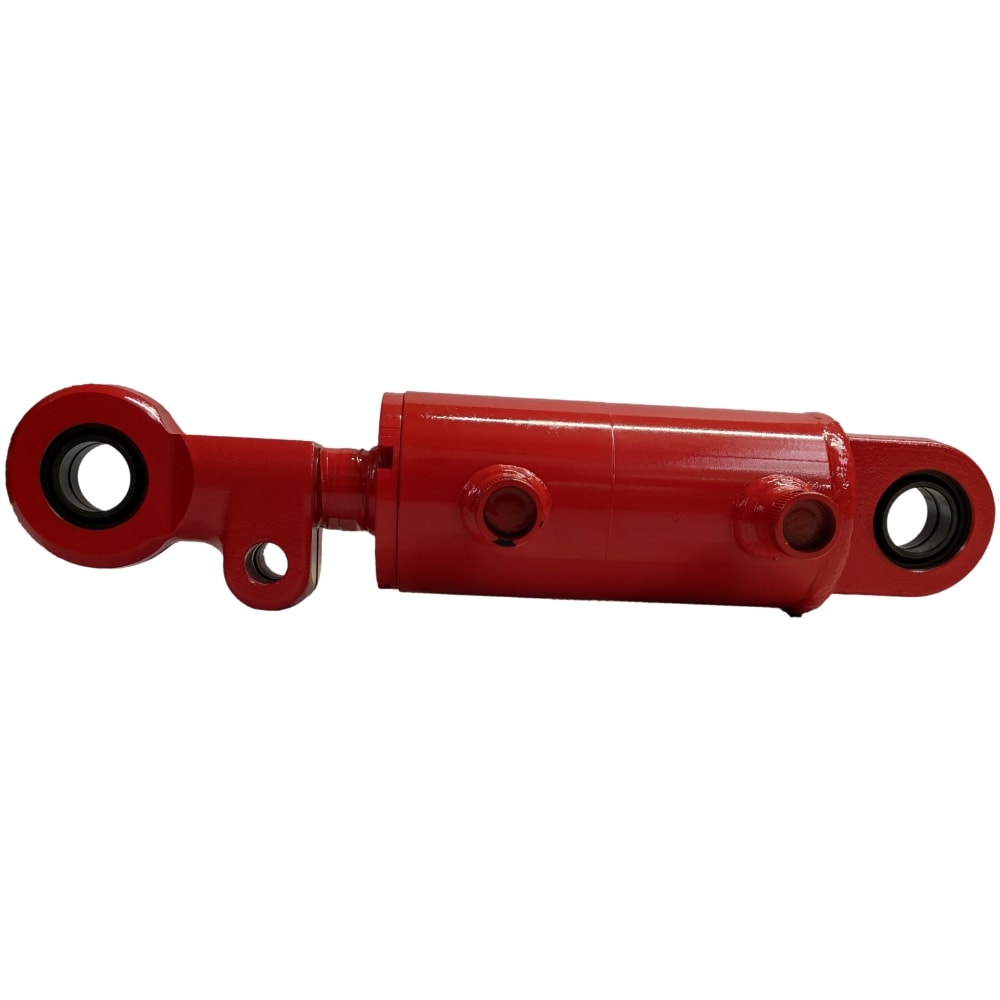
Xi lanh nghiêng đóng góp như thế nào vào việc vận hành thiết bị tiết kiệm năng lượng?
Xi lanh nghiêng đóng vai trò quan trọng trong việc thúc đẩy vận hành thiết bị tiết kiệm năng lượng. Bằng cách tích hợp một số tính năng và chức năng thiết kế nhất định, xi lanh nghiêng giúp tối ưu hóa việc sử dụng năng lượng và cải thiện hiệu suất tổng thể của thiết bị. Dưới đây là giải thích chi tiết:
- Điều khiển chính xác: Xi lanh nghiêng cho phép điều khiển chính xác góc độ và vị trí của các phụ kiện hoặc thiết bị, chẳng hạn như lưỡi dao hoặc gầu xúc. Mức độ điều khiển này cho phép người vận hành thực hiện các công việc với độ chính xác cao hơn, giảm thiểu nhu cầu làm lại hoặc thực hiện thêm các lượt. Bằng cách đạt được góc độ hoặc vị trí mong muốn ngay từ lần thử đầu tiên, mức tiêu thụ năng lượng được giảm thiểu, dẫn đến hoạt động thiết bị hiệu quả hơn.
- Giảm thiểu lãng phí sức lực: Xi lanh nghiêng giúp ngăn ngừa lãng phí sức lực bằng cách cho phép người vận hành điều chỉnh góc nghiêng theo yêu cầu cụ thể của công việc. Ví dụ, trong các hoạt động san lấp mặt bằng, khả năng điều chỉnh góc lưỡi gạt đảm bảo chỉ di chuyển lượng đất cần thiết, tránh tốn sức và tiêu hao năng lượng không cần thiết. Bằng cách giảm thiểu lãng phí sức lực, xi lanh nghiêng góp phần tiết kiệm năng lượng và vận hành thiết bị hiệu quả hơn.
- Tối ưu hóa việc xử lý vật liệu: Trong các thiết bị như máy xúc, xi lanh nghiêng cho phép kiểm soát chính xác góc nghiêng gầu trong quá trình xử lý vật liệu. Việc kiểm soát tối ưu này đảm bảo lượng vật liệu được chất lên hoặc đổ xuống đúng mức, giảm thiểu sự rơi vãi và các chuyển động không cần thiết. Bằng cách giảm thiểu lãng phí vật liệu và cải thiện hiệu quả xử lý, mức tiêu thụ năng lượng được tối ưu hóa, dẫn đến hoạt động tiết kiệm năng lượng của thiết bị.
- Hiệu quả hệ thống thủy lực: Xi lanh nghiêng là một phần của hệ thống thủy lực trong thiết bị. Một hệ thống thủy lực được thiết kế tốt, bao gồm cả xi lanh nghiêng, đảm bảo truyền tải năng lượng hiệu quả và giảm thiểu tổn thất năng lượng. Bằng cách sử dụng các công nghệ thủy lực tiên tiến, chẳng hạn như bơm, van và hệ thống điều khiển hiệu quả, các nhà sản xuất thiết bị có thể tối ưu hóa hiệu quả năng lượng của toàn bộ hệ thống, bao gồm cả hoạt động của xi lanh nghiêng.
- Hệ thống điều khiển thông minh: Một số thiết bị hiện đại tích hợp hệ thống điều khiển thông minh kết hợp với xi lanh nghiêng. Các hệ thống này sử dụng cảm biến, bộ truyền động và khả năng xử lý dữ liệu để tối ưu hóa hoạt động của thiết bị và mức tiêu thụ năng lượng. Bằng cách phân tích dữ liệu thời gian thực, chẳng hạn như điều kiện tải, đặc điểm địa hình và dữ liệu đầu vào của người vận hành, hệ thống điều khiển có thể điều chỉnh hoạt động của xi lanh nghiêng để đạt hiệu quả năng lượng tối đa trong khi vẫn duy trì năng suất.
- Tích hợp và Tối ưu hóa Hệ thống: Xi lanh nghiêng được thiết kế để tích hợp liền mạch vào hệ thống thiết bị tổng thể. Các nhà sản xuất tối ưu hóa sự tương tác giữa xi lanh nghiêng, hệ thống thủy lực, hệ thống điều khiển và các thành phần khác để đạt được hiệu quả vận hành thiết bị tiết kiệm năng lượng. Các thành phần được lựa chọn và thiết kế để hoạt động hài hòa với nhau, giảm thiểu tổn thất năng lượng và tối đa hóa hiệu suất hệ thống.
Bằng cách cho phép điều khiển chính xác, giảm thiểu lãng phí công sức, tối ưu hóa việc xử lý vật liệu, góp phần vào hệ thống thủy lực hiệu quả, tích hợp hệ thống điều khiển thông minh và tập trung vào tích hợp và tối ưu hóa hệ thống, xi lanh nghiêng đóng góp đáng kể vào việc vận hành thiết bị tiết kiệm năng lượng. Các xi lanh này đóng vai trò quan trọng trong việc nâng cao năng suất đồng thời giảm thiểu tiêu thụ năng lượng, thúc đẩy tính bền vững và giảm chi phí vận hành.
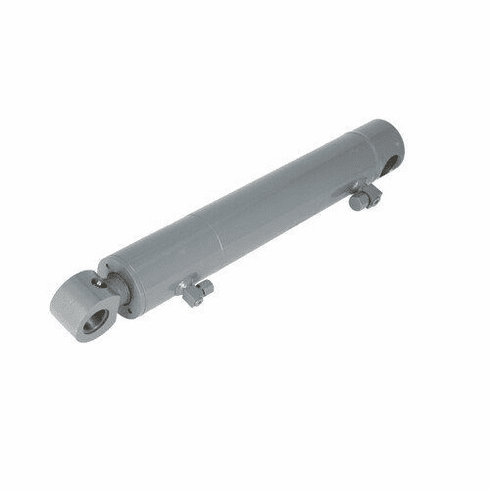
Việc bảo trì định kỳ cho xi lanh nâng hạ có tầm quan trọng như thế nào?
Bảo trì định kỳ rất quan trọng đối với xi lanh nâng hạ để đảm bảo hiệu suất tối ưu và tuổi thọ của chúng. Bảo trì đúng cách giúp ngăn ngừa các sự cố tiềm ẩn, kéo dài tuổi thọ của xi lanh và nâng cao độ tin cậy tổng thể của thiết bị. Dưới đây là những lý do chính nhấn mạnh tầm quan trọng của việc bảo trì định kỳ đối với xi lanh nâng hạ:
- Bảo trì phòng ngừa: Bảo trì thường xuyên cho phép phát hiện sớm và ngăn ngừa các sự cố tiềm ẩn. Bằng cách kiểm tra các xi lanh nghiêng định kỳ, bất kỳ dấu hiệu hao mòn, hư hỏng, rò rỉ hoặc lệch trục nào cũng có thể được phát hiện sớm. Các biện pháp bảo trì kịp thời, chẳng hạn như bôi trơn, thay thế gioăng hoặc điều chỉnh các bộ phận, có thể được thực hiện để ngăn ngừa hư hỏng thêm và chi phí sửa chữa tốn kém.
- Hiệu suất tối ưu: Xi lanh nghiêng được bảo dưỡng thường xuyên sẽ duy trì hiệu suất tối ưu tốt hơn. Việc bôi trơn đúng cách các bộ phận chuyển động, chẳng hạn như chốt và bạc lót, đảm bảo hoạt động trơn tru và giảm thiểu ma sát, giảm hao mòn. Việc vệ sinh và kiểm tra thường xuyên các đường ống và van thủy lực giúp duy trì lưu lượng chất lỏng thích hợp, đảm bảo hoạt động hiệu quả của xi lanh. Bằng cách giữ cho xi lanh nghiêng ở tình trạng tốt, người vận hành thiết bị có thể tin tưởng vào hiệu suất nghiêng ổn định và đáng tin cậy.
- An toàn thiết bị: Xi lanh nghiêng được bảo trì tốt góp phần đảm bảo an toàn thiết bị. Xi lanh nghiêng bị trục trặc hoặc bảo trì kém có thể dẫn đến sự cố hoặc tai nạn bất ngờ, gây rủi ro cho người vận hành, người xung quanh và môi trường. Bảo trì thường xuyên giúp xác định và khắc phục các vấn đề an toàn tiềm ẩn, đảm bảo xi lanh nghiêng hoạt động an toàn và đáng tin cậy trong quá trình vận hành thiết bị.
- Tuổi thọ cao và tiết kiệm chi phí: Bảo trì thường xuyên giúp kéo dài đáng kể tuổi thọ của xi lanh nâng hạ. Bằng cách khắc phục kịp thời các sự cố nhỏ và thực hiện các công việc bảo trì phòng ngừa, sự hao mòn tổng thể của xi lanh có thể được giảm thiểu. Điều này kéo dài tuổi thọ của xi lanh, giảm tần suất thay thế và các chi phí liên quan. Ngoài ra, bảo trì thường xuyên giúp tránh thời gian ngừng hoạt động tốn kém do hỏng hóc xi lanh đột ngột, dẫn đến tăng năng suất và tiết kiệm chi phí về lâu dài.
- Khuyến nghị của nhà sản xuất: Việc tuân thủ lịch bảo dưỡng do nhà sản xuất khuyến nghị là rất cần thiết đối với xi lanh nâng hạ. Nhà sản xuất cung cấp các hướng dẫn cụ thể về các nhiệm vụ bảo dưỡng, khoảng thời gian và các phụ tùng thay thế được khuyến nghị. Tuân thủ các khuyến nghị này đảm bảo rằng xi lanh được bảo dưỡng đúng cách theo thông số kỹ thuật của nhà sản xuất, giữ nguyên hiệu lực bảo hành và duy trì sự tuân thủ các tiêu chuẩn ngành.
Tóm lại, bảo trì định kỳ cho xi lanh nghiêng là rất quan trọng để đảm bảo hiệu suất hoạt động đáng tin cậy, an toàn thiết bị và tuổi thọ của chúng. Bằng cách thực hiện bảo trì phòng ngừa, đảm bảo hiệu suất tối ưu và tuân thủ các khuyến nghị của nhà sản xuất, người vận hành có thể tối đa hóa tuổi thọ của xi lanh nghiêng, giảm thiểu thời gian ngừng hoạt động và nâng cao hiệu quả tổng thể cũng như độ an toàn của thiết bị.


editor by CX 2023-11-06