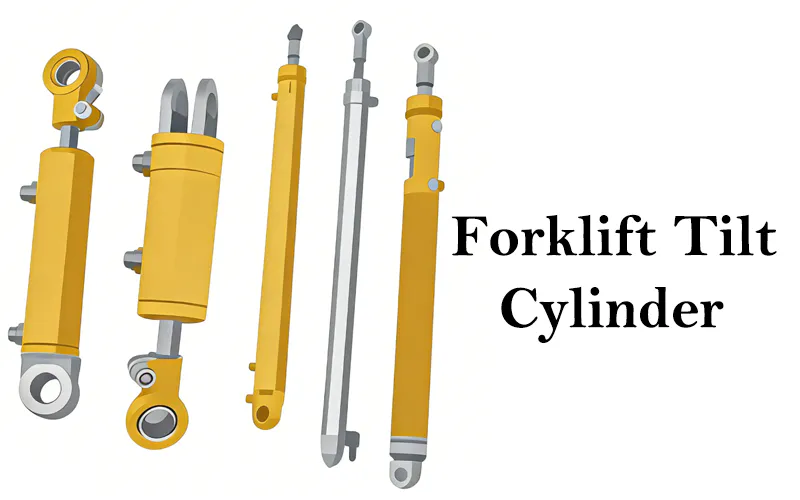
مصنوعات کی تفصیل
تفصیلات:
| پروڈکٹ کا نام | HSG سیریز ہائیڈرولک سلنڈر |
| ورک پریس | 7/14/16/21/31.5MPa 37.5/63MPa اپنی مرضی کے مطابق کیا جا سکتا ہے |
| مواد | ایلومینیم، کاسٹ آئرن، 45mnb سٹیل، سٹینلیس سٹیل |
| بور کا سائز | 40mm–320mm، مرضی کے مطابق |
| شافٹ قطر | 20mm–220mm، مرضی کے مطابق |
| اسٹروک کی لمبائی | 30mm–14100mm، مرضی کے مطابق |
| چھڑی کی سطح کی سختی | HRC48-54 |
| آپریٹنگ درجہ حرارت | -40°C سے +120°C |
| پینٹ کا رنگ | سیاہ، پیلا، نیلا، بھورا، مرضی کے مطابق |
| سروس | OEM اور ODM |
| وارنٹی | 1 سال |
| MOQ | 1 ٹکڑا |
| ڈیلیوری کا وقت | 7-15 دن، مخصوص مطالبات پر بھی منحصر ہے۔ |
| سرٹیفیکیشن | ISO9001، عیسوی |
| صلاحیت | 50،000 پی سیز فی سال |
پروڈکٹ ڈسپلے:
چڑھنا:
ورکنگ فلو: ہمارے بارے میں
Tongte پائیدار، ہیوی ڈیوٹی ہائیڈرولک مصنوعات اور لوازمات کو ڈیزائن اور تیار کرتا ہے اور انہیں لائف سائیکل خدمات پیش کرتا ہے۔ ہم گاہک کی مخصوص ضروریات کو پورا کرنے اور صنعت میں قائد رہنے کے لیے اپنی مشین کی بنیاد اور آپریشنز کو مسلسل تیار کرتے ہیں۔ باقی سب سے آگے، ہم قابل بھروسہ، اہم پارٹنر بننا چاہتے ہیں جس کی ہمارے صارفین کو واقعی ضرورت ہے۔
اپنی مرضی کے مطابق سلنڈروں کے علاوہ، CHINAMFG ہائیڈرولک پاور یونٹس، الیکٹرک ہائیڈرولک لکیری ایکچویٹرز، پسٹن ایکومیولیٹرس، سسٹم کنفیگریشنز، اور ورسٹائل خدمات جیسے مرمت اور مینوفیکچرنگ خدمات پیش کرتا ہے۔ جدید پیداواری سہولیات ہانگ زو، ژی جیانگ (چین) میں واقع ہیں جہاں پیداوار 2001 میں شروع ہوئی۔ ٹونگکے کی بنیادی اقدار جو اس کے کاروبار کی مضبوط رہنمائی کرتی ہیں۔ عزم، پائیداری، تعامل، اور گاہک پہلے۔
ہمارے پاس ہے۔ 20 صنعت میں برسوں کا تجربہ اور عالمی مارکیٹ کا وسیع تجربہ، ہمارے گاہک پوری دنیا میں موجود ہیں، اور ہم حقیقی معنوں میں صارفین کی ضروریات کو پورا کرتے ہیں – یہ ہماری خاندانی ملکیت والی کمپنی کی کامیابی کے عوامل ہیں۔ ہمارا وژن عالمی منڈیوں میں کاروبار کو مزید بڑھانا اور پھیلانا ہے۔
اکثر پوچھے گئے سوالات:
Q1: آپ کی کمپنی کیا کرتی ہے؟
A: ہم ہائیڈرولک سلنڈر، ہائیڈرولک پاور پیک، ہائیڈرولک لکیری، اور دیگر ہائیڈرولک اجزاء سمیت اعلیٰ معیار کی ہائیڈرولک مصنوعات کے سپلائر ہیں۔
Q2: کیا آپ صنعت کار یا تجارتی کمپنی ہیں؟
A: ہم ایک کارخانہ دار ہیں.
Q3: کیا آپ غیر معیاری یا اپنی مرضی کے مطابق مصنوعات بنانے کے قابل ہیں؟
A: جی ہاں، ہم کر سکتے ہیں.
Q3: آپ کی ترسیل کا وقت کتنا ہے؟
A: عام طور پر، اگر ہمارے پاس اسٹاک ہے تو ترسیل کا وقت 7 دن ہے، اور اگر ہمارے پاس نہیں ہے تو 15-30 کام کے دن ہیں۔ لیکن یہ
یہ بھی مصنوعات پر منحصر ہے
ضروریات اور مقدار.
Q4: کیا آپ نمونے فراہم کرتے ہیں؟ نمونے مفت ہیں یا نہیں؟
A: جی ہاں، ہم نمونے فراہم کر سکتے ہیں، لیکن وہ مفت نہیں ہیں.
Q5: آپ کی ادائیگی کی شرائط کیا ہیں؟
A: 30% جمع T/T یا ناقابل واپسی L/C نظر میں، اگر آپ کے کوئی سوالات ہیں، تو براہ کرم بلا جھجھک
ہم سے رابطہ کریں۔
Q6: آپ کی وارنٹی پالیسی کیا ہے؟
A: مواد اور کاریگری میں نقائص کے خلاف ہماری تمام مصنوعات کی ترسیل کی تاریخ سے پورے 1 سال کے لیے ضمانت دی جاتی ہے۔ ہماری فیکٹری کیو سی پروسیس پر ہر انفرادی پروڈکٹ کا سختی سے معائنہ کیا جائے گا۔
شپمنٹ سے پہلے سسٹم۔ ہمارے پاس ایک کسٹمر سروس ٹیم بھی ہے جو 12 گھنٹے کے اندر صارفین کے سوالات کا جواب دیتی ہے۔
| سرٹیفیکیشن: | ISO9001 |
|---|---|
| دباؤ: | ہائی پریشر |
| کام کا درجہ حرارت: | عام درجہ حرارت |
| حسب ضرورت: |
دستیاب ہے۔
|
|
|---|
.shipping-cost-tm .tm-status-off{background: none;padding:0;color: #1470cc}
|
شپنگ لاگت:
تخمینی فریٹ فی یونٹ۔ |
شپنگ لاگت اور متوقع ترسیل کے وقت کے بارے میں۔ |
|---|
| ادائیگی کا طریقہ: |
|
|---|---|
|
ابتدائی ادائیگی مکمل ادائیگی |
| کرنسی: | US$ |
|---|
| واپسی اور رقم کی واپسی: | آپ مصنوعات کی وصولی کے 30 دنوں تک رقم کی واپسی کے لیے درخواست دے سکتے ہیں۔ |
|---|
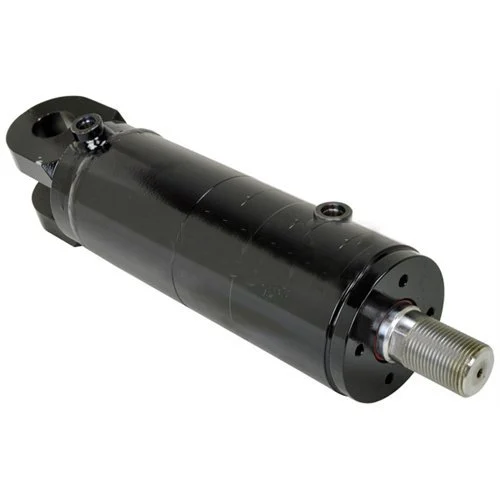
Can tilt cylinders be used in forestry equipment for tree handling?
Yes, tilt cylinders can be used in forestry equipment for tree handling. These cylinders play a vital role in enhancing the efficiency and safety of forestry machinery involved in tasks such as felling, delimbing, and loading trees. Here’s a detailed explanation:
- Tilt Angle Adjustment: Tilt cylinders allow operators to adjust the tilt angle of forestry equipment attachments, such as grapples or felling heads. By actuating the cylinders, operators can tilt the attachment to the desired angle, facilitating precise tree handling. The ability to control the tilt angle enables operators to align the attachment with the tree trunk or branches, improving cutting accuracy and minimizing the risk of damage to the machinery or surrounding environment.
- Tree Gripping and Manipulation: Tilt cylinders contribute to effective tree gripping and manipulation. When combined with grapples or clamps, these cylinders provide the necessary force and control to securely hold and maneuver trees. Operators can adjust the tilt angle of the attachment to ensure a firm grip on the tree during felling, delimbing, or loading operations. This capability enhances operational safety, prevents tree slippage, and improves overall productivity.
- Load Distribution: Precise tree handling requires proper load distribution. Tilt cylinders allow operators to adjust the tilt angle to distribute the tree’s weight evenly across the equipment. This optimization of load distribution is particularly important when handling large or heavy trees. By achieving balanced positioning through tilt cylinder control, operators can minimize stress on the equipment, maintain stability, and ensure safe tree handling.
- Integration with Control Systems: Tilt cylinders can be integrated with advanced control systems in modern forestry equipment. These control systems may include hydraulic or electronic controls that offer precise and automated tilt angle adjustments. By utilizing such systems, operators can achieve consistent and accurate tree handling, reducing operator fatigue and improving operational efficiency.
- Operator Safety and Ergonomics: Tilt cylinders contribute to operator safety and ergonomics during tree handling tasks. By allowing for precise tilt angle adjustments, these cylinders enable operators to maintain a comfortable and ergonomic working posture. This reduces the risk of strain or injury and enhances operator control and visibility, especially in challenging forestry environments.
- Attachment Versatility: Tilt cylinders provide versatility in forestry equipment attachments. They can be used in various configurations, such as single-acting or double-acting cylinders, depending on the specific application requirements. This versatility allows forestry machinery to handle different tree sizes, shapes, and conditions, adapting to the diverse needs of forestry operations.
Therefore, tilt cylinders can be effectively utilized in forestry equipment for tree handling. Whether it involves tilt angle adjustment, tree gripping and manipulation, load distribution optimization, integration with control systems, operator safety and ergonomics, or attachment versatility, tilt cylinders contribute to improving the efficiency, accuracy, and safety of tree handling operations in the forestry industry.
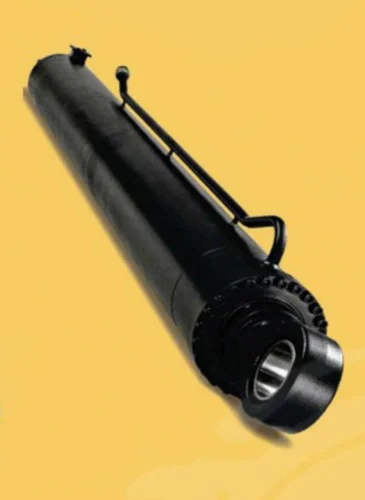
How does a tilt cylinder handle variations in tilt angle and load?
A tilt cylinder is designed to handle variations in tilt angle and load to ensure optimal performance and safe operation. It employs various mechanisms and features that allow it to adapt to different angles and loads. Here’s a detailed explanation:
- Adjustable Force and Stroke: Tilt cylinders can be adjusted to accommodate variations in tilt angle and load. The force generated by the cylinder can be controlled by adjusting the hydraulic pressure, allowing for precise control over the tilting movement. Similarly, the stroke length of the cylinder can be customized to provide the desired range of motion, enabling flexibility in achieving different tilt angles.
- Flow Control Valves: Tilt cylinders often incorporate flow control valves that regulate the speed and rate of hydraulic fluid flow. These valves allow operators to adjust the flow rate, providing finer control over the tilting movement. By adjusting the flow control valves, operators can handle variations in tilt angle and load with greater precision and stability.
- Load-Sensing Technology: Some advanced tilt cylinders utilize load-sensing technology to automatically adjust the force output based on the load applied. Load sensors integrated into the cylinder or the hydraulic system provide real-time feedback on the load, enabling the cylinder to adjust its force accordingly. This ensures consistent and safe operation, even when dealing with varying loads.
- Structural Integrity: Tilt cylinders are designed with robust construction to handle variations in load. The materials used, such as high-strength steel, provide structural integrity and durability. The cylinder’s design considers factors such as bending moments and stress distribution to ensure safe operation under different load conditions.
- Seals and Lubrication: Tilt cylinders incorporate seals and lubrication systems to minimize friction and maintain the required performance. Seals prevent leakage and contamination, ensuring the hydraulic system operates efficiently. Proper lubrication reduces wear and tear on moving parts, allowing the cylinder to handle variations in tilt angle and load smoothly and reliably.
- Stability and Balance: Tilt cylinders are designed to maintain stability and balance during tilting operations. The cylinder’s attachment points, along with the equipment’s center of gravity, are carefully considered to ensure safe and controlled tilting. This helps prevent instability or tipping when facing variations in tilt angle or load.
By incorporating adjustable force and stroke, flow control valves, load-sensing technology, robust construction, seals and lubrication, as well as ensuring stability and balance, tilt cylinders can effectively handle variations in tilt angle and load. These features enable precise control, safe operation, and reliable performance in a wide range of applications across industries.
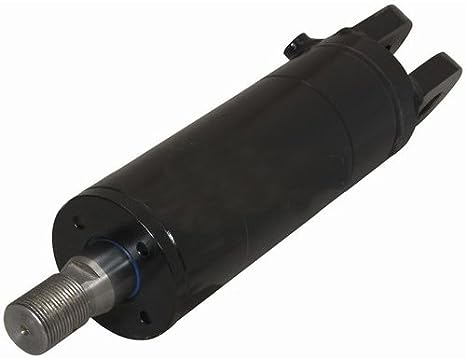
What are the components and features of a tilt cylinder?
A tilt cylinder consists of several components and features that contribute to its functionality and performance. These components work together to enable controlled tilting or angling of components in heavy machinery. Here are the key components and features of a tilt cylinder:
- Cylinder Body: The cylinder body forms the main structure of the tilt cylinder. It houses the piston and provides support and stability during operation. The cylinder body is typically made of durable materials, such as steel, to withstand high loads and harsh operating conditions.
- Piston: The piston is a cylindrical component that divides the cylinder body into two chambers: the rod side and the head side. It is responsible for generating the necessary force to move the rod and perform the tilting action. The piston is sealed to prevent hydraulic fluid leakage between the chambers.
- Rod: The rod is attached to the piston and extends outside the cylinder body. It is connected to the component being tilted, such as a bucket or blade, in heavy machinery. The rod transfers the force generated by the piston to the attached component, causing the desired tilting movement.
- Hydraulic Seals: Hydraulic seals are critical components that ensure the proper functioning of the tilt cylinder. They prevent hydraulic fluid leakage and maintain the separation between the rod side and the head side of the cylinder. Common types of hydraulic seals used in tilt cylinders include piston seals, rod seals, and wiper seals.
- Hydraulic Fluid Ports: The tilt cylinder is connected to a hydraulic system through hydraulic fluid ports. These ports allow hydraulic fluid to enter and exit the cylinder, creating the necessary pressure and flow to control the tilting movement. The hydraulic fluid ports are typically equipped with fittings or connectors for secure attachment to the hydraulic system.
- Control Valves: Control valves play a crucial role in regulating the flow and pressure of hydraulic fluid within the tilt cylinder. They are part of the hydraulic system and allow the operator to control the speed, direction, and extent of the tilting movement. Control valves enable precise positioning and adjustment of the tilted component.
- Limit Switches or Sensors: Tilt cylinders may include limit switches or sensors to provide feedback on the position and angle of the tilted component. These safety features help prevent over-tilting or unintended movement, ensuring safe operation and protecting both the machinery and operators.
The features and components of a tilt cylinder are designed to withstand high loads, provide precise control, and ensure reliable and safe operation. The robust construction, hydraulic seals, hydraulic fluid ports, control valves, and safety features make tilt cylinders capable of performing controlled tilting actions in heavy machinery applications.
In summary, a tilt cylinder comprises key components such as the cylinder body, piston, rod, hydraulic seals, hydraulic fluid ports, control valves, and may incorporate safety features like limit switches or sensors. These components and features work together to enable the controlled tilting or angling of components, enhancing the versatility and functionality of heavy machinery.


editor by CX 2023-11-10