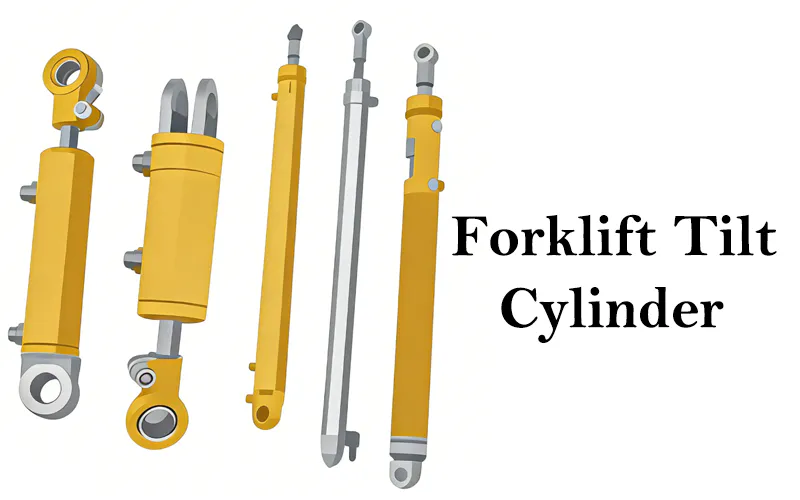
Product Description
Products Description
|
Product Name |
HSG Series Hydraulic Cylinder |
|||
|
Work Press |
7/14/16/21/31.5MPa 37.5/63MPa Can be Customized |
|||
|
Material |
Aluminum,Cast Iron,45mnb Steel,Stainless Steel |
|||
|
Bore Size |
40mm–320mm,Customizable |
|||
|
Shaft Diameter |
20mm–220mm,Customizable |
|||
|
Stroke Length |
30mm–14100mm,Customizable |
|||
|
Rod Surface Hardness |
HRC48-54 |
|||
|
Paint Color |
Black,Yellow,Blue,Brown,Customizable |
|||
|
Mounting |
Earring,Flange,Clevis.Foot,Trunnion,Customizable |
|||
|
Warrenty |
1 Year |
|||
|
MOQ |
1 Piece |
|||
|
Delivery Time |
7-15 Days,Also depands on specific demands |
|||
|
Certification |
ISO9001,CE |
|||
Company Profile
QIANGLIN HYDRAULIC MACHINERY CO., LTD
| QiangLin is a professional hydraulic equipment manufacturer, mainly engaged in hydraulic system design, manufacture, installation, transformation, sales, and technical services. Our manufacturing facilities are certified to the ISO 9001 standard. We are an approved supplier to many equipment manufacturers in China. We are also partners with many customers from America, Canada, Australia, Germany, England, and other European Countries. Product quality, shorter delivery time, and customer satisfaction are our long-term commitments to our CHINAMFG customers. Hope to be your partner. |
FAQ:
Q1: Are you a trading company or a manufacturer?
A: We have our own factory.
Q2: Are you able to make Non-standard or customized products?
A: Yes, we can.
Q3: How long is your delivery time?
A: Normally, the delivery time is 7 days if we have stock, 15-30 working days if we don’t. but it
also depends on the product
requirements and quantity.
Q4: Do you provide samples? are the samples free or not?
A: Yes, we can provide samples, but they are not free of charge.
Q5: What are your payment terms?
A: 30% deposit T/T or Irrevocable L/C at sight, If you have any questions, please feel free to
contact us.
Q6: What are your After-sales services?
A: Before shipment, Each individual product will be strictly inspected on our factory QC Process
System. In addition, We have a
Customer Service team to respond to customers’ questions within 12 hours. Being helpful in
solving customers’ problems is always our goal.
| Certification: | CE, ISO9001 |
|---|---|
| Pressure: | High Pressure |
| Work Temperature: | Normal Temperature |
| Customization: |
Available
|
|
|---|
.shipping-cost-tm .tm-status-off{background: none;padding:0;color: #1470cc}
|
Shipping Cost:
Estimated freight per unit. |
about shipping cost and estimated delivery time. |
|---|
| Payment Method: |
|
|---|---|
|
Initial Payment Full Payment |
| Currency: | US$ |
|---|
| Return&refunds: | You can apply for a refund up to 30 days after receipt of the products. |
|---|
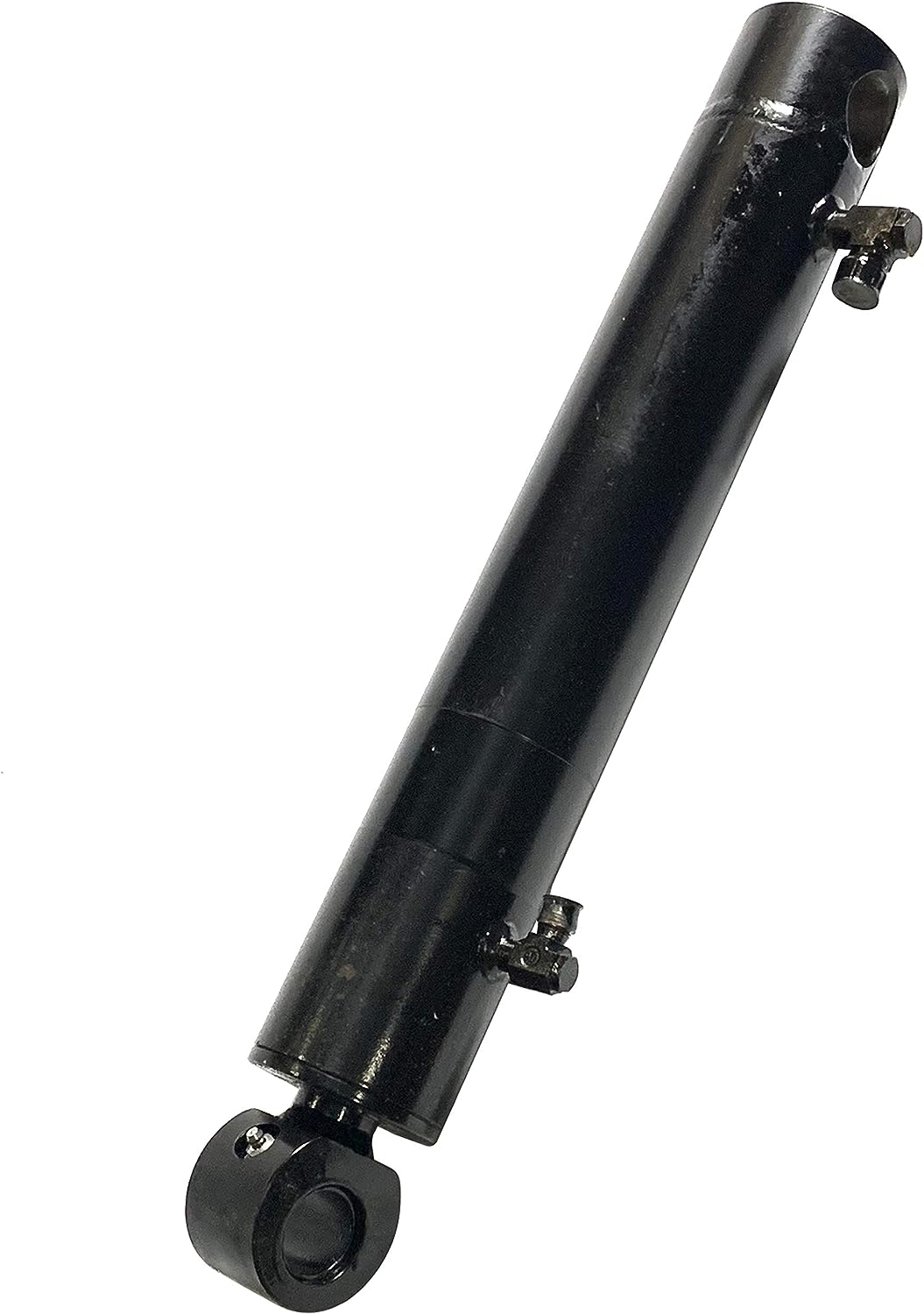
How does a tilt cylinder handle variations in hydraulic seal technology?
A tilt cylinder is designed to handle variations in hydraulic seal technology effectively. Hydraulic seals play a critical role in the proper functioning and performance of tilt cylinders. Here’s a detailed explanation:
- Sealing Efficiency: Tilt cylinders are equipped with hydraulic seals that effectively prevent leakage of hydraulic fluid. The design and construction of these seals ensure a tight and reliable seal, even under high-pressure conditions. Whether the hydraulic seal technology involves traditional seals, such as O-rings or lip seals, or more advanced sealing solutions, tilt cylinders are designed to accommodate and utilize the specific seal technology for optimal sealing efficiency.
- Compatibility with Seal Materials: Tilt cylinders are designed to be compatible with various seal materials used in hydraulic systems. Different hydraulic seal technologies may utilize different materials, such as rubber compounds, polyurethane, or synthetic materials. Tilt cylinders are engineered to work seamlessly with a wide range of seal materials, ensuring proper sealing performance and longevity.
- Seal Configuration and Design: Tilt cylinders are designed to accommodate different seal configurations and designs. Hydraulic seal technologies may vary in terms of seal profiles, dimensions, and installation methods. Tilt cylinders are manufactured with the necessary features and specifications to accommodate these variations. Whether it involves single-acting or double-acting cylinders, piston seals, rod seals, or wiper seals, tilt cylinders are designed to handle the specific seal configuration and design requirements.
- Seal Maintenance and Replacement: Tilt cylinders are designed to facilitate seal maintenance and replacement. Hydraulic seals may require periodic inspection, lubrication, or replacement to ensure optimal performance and prevent leakage. Tilt cylinders are designed with accessible seal areas, allowing for convenient inspection and maintenance. Additionally, the design of tilt cylinders enables efficient seal replacement when necessary, minimizing downtime and ensuring continuous operation.
- Seal Technology Advancements: Tilt cylinders are adaptable to advancements in hydraulic seal technology. The field of hydraulic seal technology continues to evolve, with new materials, designs, and technologies being developed. Tilt cylinder manufacturers actively incorporate and adapt to these advancements, ensuring that their cylinders can effectively handle the variations and improvements in hydraulic seal technology over time.
Therefore, tilt cylinders are designed to handle variations in hydraulic seal technology by providing sealing efficiency, compatibility with seal materials, accommodating different seal configurations and designs, facilitating seal maintenance and replacement, and adapting to seal technology advancements. By considering the specific requirements of hydraulic seal technology, tilt cylinders ensure reliable and efficient sealing performance in hydraulic systems.
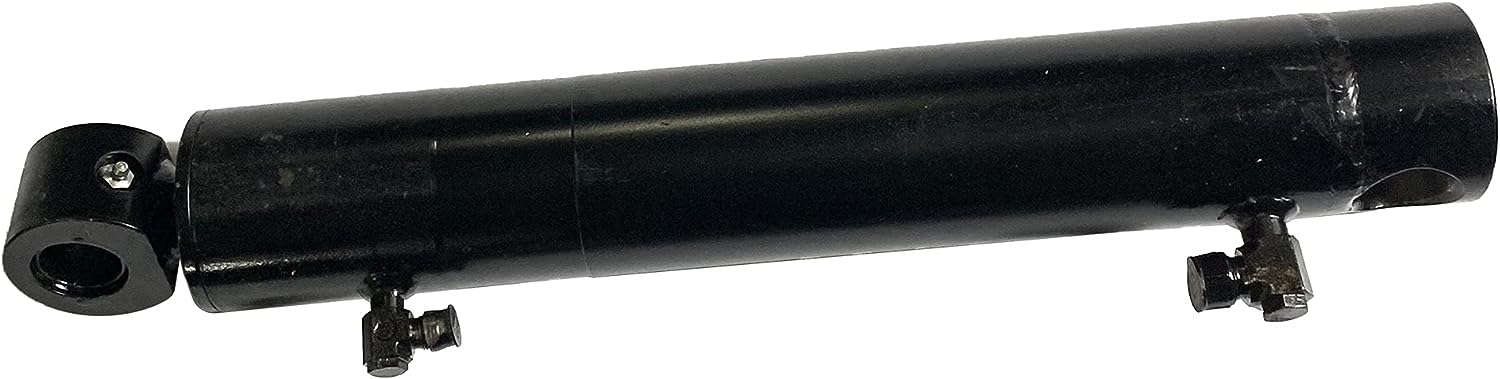
How does a tilt cylinder handle variations in temperature and environmental conditions?
A tilt cylinder is designed to handle variations in temperature and environmental conditions encountered in different applications. Several features and considerations ensure the cylinder’s performance and durability in challenging operating environments. Here’s a detailed explanation:
- Material Selection: Tilt cylinders are typically constructed using high-quality materials known for their strength, durability, and resistance to environmental factors. Common materials include hardened steel, alloy steel, or other corrosion-resistant materials. The chosen materials offer excellent mechanical properties and can withstand temperature fluctuations, moisture, and exposure to chemicals or abrasive elements.
- Surface Treatments: To further enhance the cylinder’s resistance to environmental conditions, surface treatments such as coatings or platings may be applied. These treatments provide additional protection against corrosion, wear, and damage caused by moisture, chemicals, or abrasive particles. Common surface treatments include chrome plating, zinc coating, or specialized coatings designed for specific environmental challenges.
- Sealing Systems: Tilt cylinders incorporate sealing systems to prevent the ingress of contaminants and maintain the integrity of the hydraulic system. The seals used in tilt cylinders are designed to withstand temperature variations, resist degradation from environmental factors, and provide reliable sealing performance over an extended service life. Proper sealing ensures the cylinder’s efficient operation and minimizes the risk of leakage or premature wear.
- Lubrication: Adequate lubrication is essential for the smooth operation and longevity of tilt cylinders. Lubricants help reduce friction, minimize wear, and protect against corrosion. The choice of lubricant depends on the specific operating conditions and temperature range. In extreme temperature environments, specialized lubricants with high-temperature resistance may be used to ensure optimal cylinder performance.
- Temperature Compensation: Tilt cylinders may incorporate temperature compensation mechanisms to account for variations in operating temperatures. These mechanisms ensure that the cylinder’s performance remains consistent, regardless of temperature fluctuations. Temperature compensation can involve adjustments to the hydraulic system’s pressure or flow rate to maintain the desired force and speed, compensating for temperature-related changes in fluid viscosity.
- Testing and Certification: Tilt cylinders undergo rigorous testing and certification processes to ensure their performance and reliability in various environmental conditions. Manufacturers subject the cylinders to simulated temperature cycles, exposure to contaminants, and other environmental tests to validate their durability and functionality. Compliance with industry standards and certifications ensures that the cylinders can handle the anticipated temperature and environmental challenges.
By employing appropriate material selection, surface treatments, sealing systems, lubrication, temperature compensation mechanisms, and rigorous testing, tilt cylinders are engineered to handle variations in temperature and environmental conditions. These design considerations enable the cylinders to operate reliably and maintain optimal performance in a wide range of applications and operating environments.
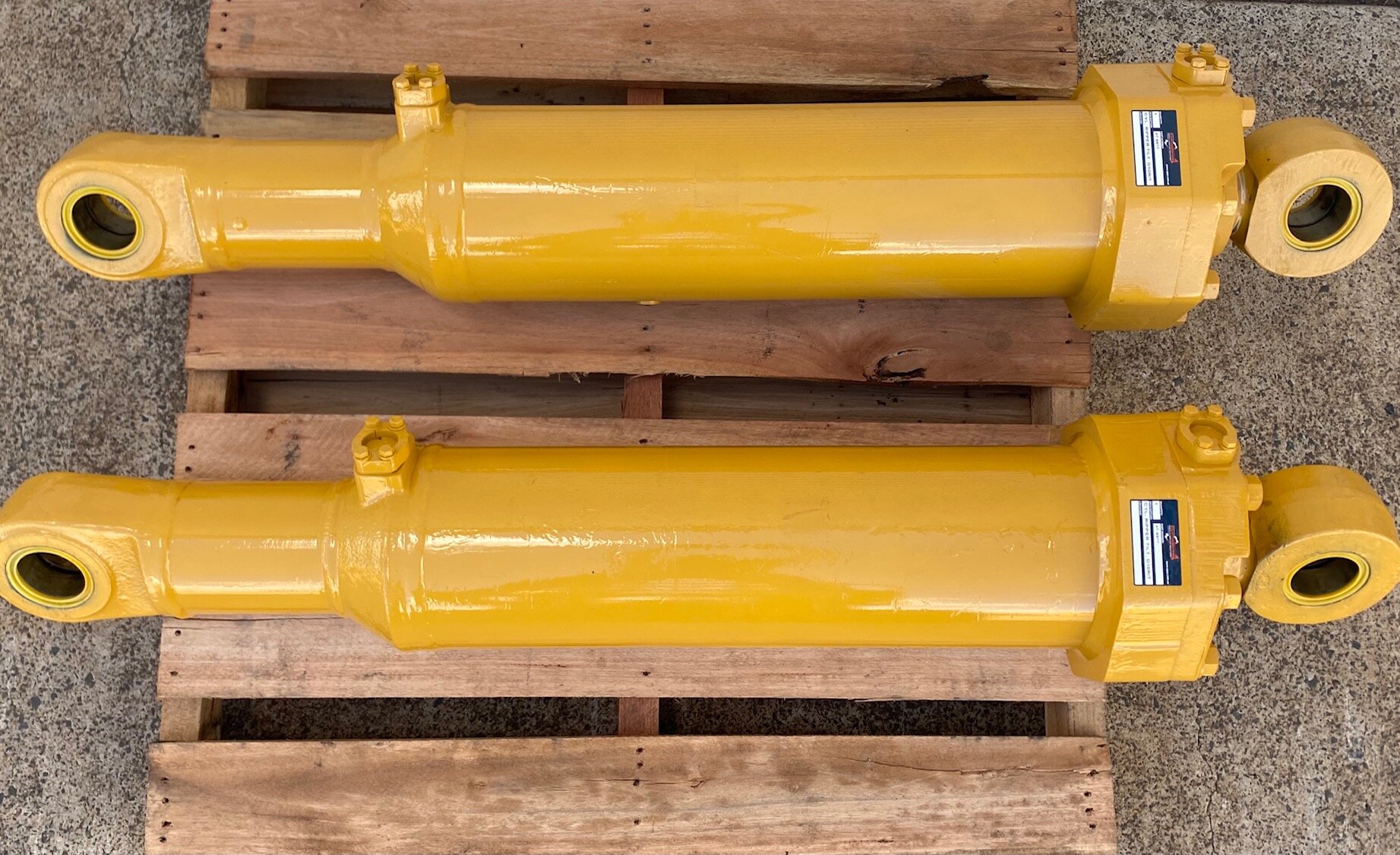
How does a tilt cylinder differ from other types of hydraulic cylinders?
A tilt cylinder has specific characteristics and functionalities that differentiate it from other types of hydraulic cylinders. While hydraulic cylinders serve various purposes in different applications, here are the key ways in which a tilt cylinder differs:
- Tilting Functionality: The primary distinction of a tilt cylinder is its ability to provide controlled tilting or angling of components. Unlike other hydraulic cylinders that primarily focus on linear motion, a tilt cylinder is specifically designed to enable angular movement. It allows for the adjustment of the working angle of attachments, such as buckets or blades, in heavy machinery.
- Mounting Orientation: Tilt cylinders are typically mounted in a horizontal or near-horizontal orientation, allowing for effective tilting movement. In contrast, other hydraulic cylinders may be mounted vertically, horizontally, or at various angles depending on their specific application requirements.
- Range of Motion: While other hydraulic cylinders may have a limited range of motion, typically in the form of extending or retracting the piston rod, a tilt cylinder offers a broader range of motion. It allows for continuous and controlled tilting action within a specific angular range, providing flexibility and adaptability in heavy machinery operations.
- Control Mechanisms: Tilt cylinders often require specialized control mechanisms to regulate the tilting movement accurately. Hydraulic systems controlling tilt cylinders incorporate valves, pressure regulators, and other components specifically designed for precise control of the angular motion. In contrast, other hydraulic cylinders may utilize different control mechanisms tailored to their particular linear motion requirements.
- Application-Specific Design: Tilt cylinders are engineered to meet the specific demands of heavy machinery applications that involve tilting or angling of components. They are designed to withstand high loads, provide precise control, and ensure reliable performance in challenging work environments. Other types of hydraulic cylinders, such as single-acting, double-acting, telescopic, or differential cylinders, are designed for different purposes and may have distinct structural and functional features.
While tilt cylinders share the fundamental principles of hydraulic cylinders, their specialization in tilting functionality sets them apart from other types of hydraulic cylinders. The unique design, mounting orientation, range of motion, control mechanisms, and application-specific characteristics make tilt cylinders suitable for tasks that require controlled angular movement in heavy machinery applications.
In conclusion, a tilt cylinder differs from other types of hydraulic cylinders through its dedicated focus on providing controlled tilting functionality, specialized design, and specific mounting orientation. These distinctions enable tilt cylinders to fulfill the unique requirements of heavy machinery applications involving angular adjustments and enhance the versatility and performance of the equipment.


editor by CX 2023-11-10