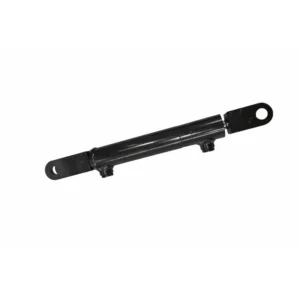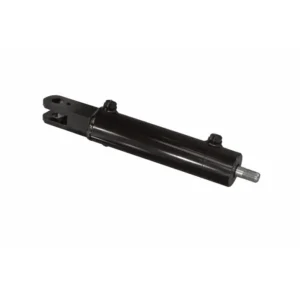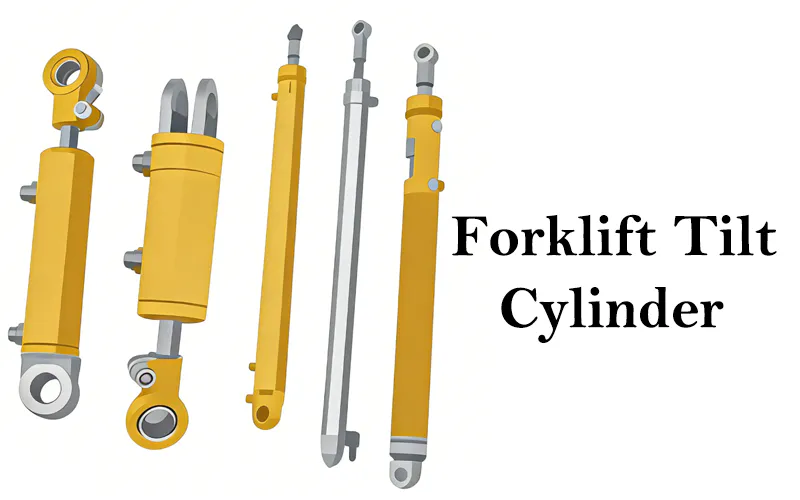

EP-HCYA-2 Cylinder For Forklift Accessories
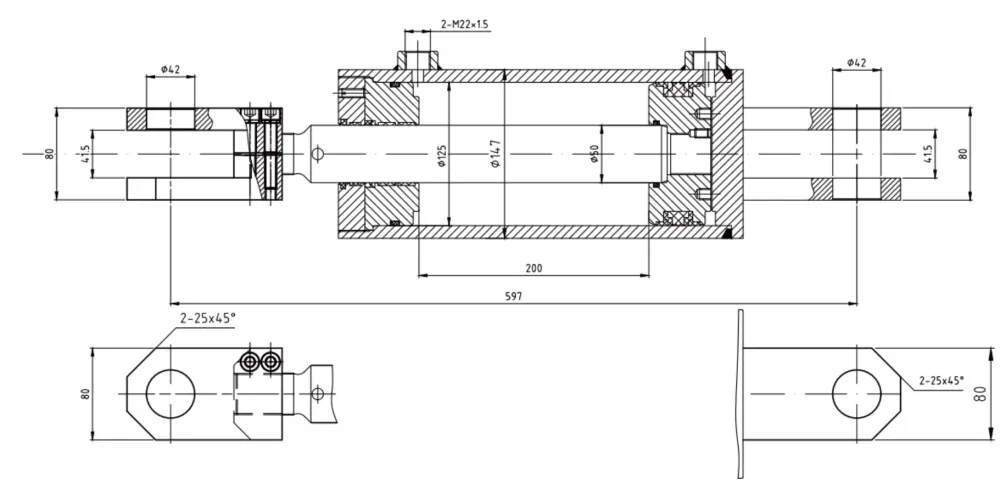
The EP-HCYA-2 Cylinder For Forklift Accessories features a specification of Φ125×Φ50×200 mm, with a working pressure of 25MPa and a maximum withstand pressure of 35MPa. It has a trip of 200 mm and an installation distance of 597 mm. The cylinder weighs 38 kg, providing robust and efficient support for lifting operations. The product is designed for heavy-duty use in various lifting and mechanical applications.
1. Technical Performance
| Cylinder model | Specifications | Working pressure | Maximum withstand pressure | Trip | Installation distance | Weight |
|---|---|---|---|---|---|---|
| HCYY11112030 | Φ125×Φ50×200 | 25MPa | 35MPa | 200 | 597 | 38kg |
2. Advantages of Cylinder For Forklift Accessories
This specific model, based on the HCYY11112030 architecture, offers a robust Φ125 bore and a Φ50 rod diameter, providing the necessary force to handle substantial loads with ease. The 200mm trip (stroke) is perfectly calibrated for versatile movements, making it an ideal choice for both mast lifting and tilt operations. By prioritizing advanced metallurgy and precision sealing, we ensure that every forklift hydraulic cylinder we produce minimizes the risk of drift or pressure loss, directly contributing to a safer working environment and lower total cost of ownership.
Its design is compatible with various international forklift brands, including Hyster, Toyota, and Doosan, ensuring that global supply chains have access to standardized, high-performance components. The emphasis on 25MPa working pressure allows this cylinder to operate at high intensities without the fear of structural failure, while the 35MPa maximum withstand pressure provides a significant safety margin for unexpected surges. This level of reliability is critical for the South Korean market, where industrial safety standards like KOSHA are strictly enforced. Investing in our Cylinder For Forklift Accessories means investing in long-term operational stability and the highest levels of hydraulic efficiency available today.
3. Working Principle of Hydraulic Systems
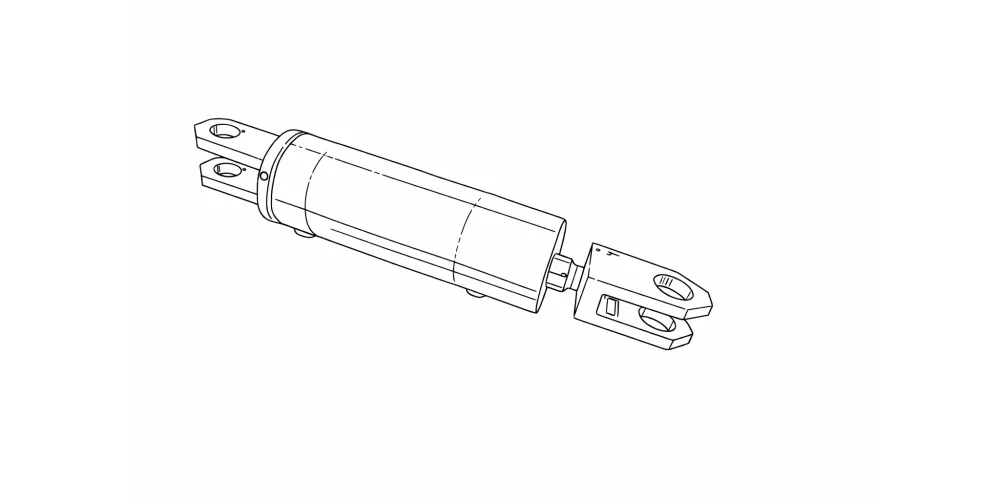
The operation of the Cylinder For Forklift Accessories is based on Pascal's Principle, where pressure applied to an enclosed fluid is transmitted undiminished to every portion of the fluid and to the walls of the containing vessel. In the EP-HCYA-2, hydraulic oil is pumped into the cylinder chamber, creating linear motion that either extends or retracts the piston rod. This motion is precisely controlled by the forklift's directional control valve, allowing the operator to tilt the mast forward or backward with extreme accuracy. Understanding the forklift hydraulic cylinder diagram is vital for maintaining this delicate balance of pressure and flow. For tilting operations, the cylinder must handle both the weight of the load and the dynamic forces generated during movement. The dual-chamber design of our forklift tilt cylinder allows for controlled descent and ascent, preventing sudden drops that could lead to cargo damage or operator injury. Our advanced internal valving ensures that even under maximum load, the transition between movements remains fluid and jitter-free.
4. Advanced Materials & Durability
The longevity of a Cylinder For Forklift Accessories is primarily determined by the quality of its construction materials. At our production facility, we utilize high-tensile 45# steel for the cylinder barrel, which is honed to a mirror finish to reduce internal friction and heat generation. The piston rod is manufactured from chrome-plated 40Cr steel, providing exceptional resistance to corrosion and mechanical wear—a crucial feature for forklift mast cylinder components that are exposed to dust, moisture, and chemical residues in warehouse environments. Furthermore, we recognize that the most common cause of failure in a forklift hydraulic lift cylinder is seal failure. Consequently, the EP-HCYA-2 is equipped with a premium forklift tilt cylinder seal kit sourced from industry leaders. These seals are capable of maintaining their integrity at temperatures ranging from -20°C to +100°C, ensuring consistent performance regardless of the season. The integration of wear rings and buffer sleeves further protects the cylinder during end-of-stroke impact, extending the service life of the entire forklift hydraulic cylinder repair-free cycle.
5. Global Compliance & Safety Standards
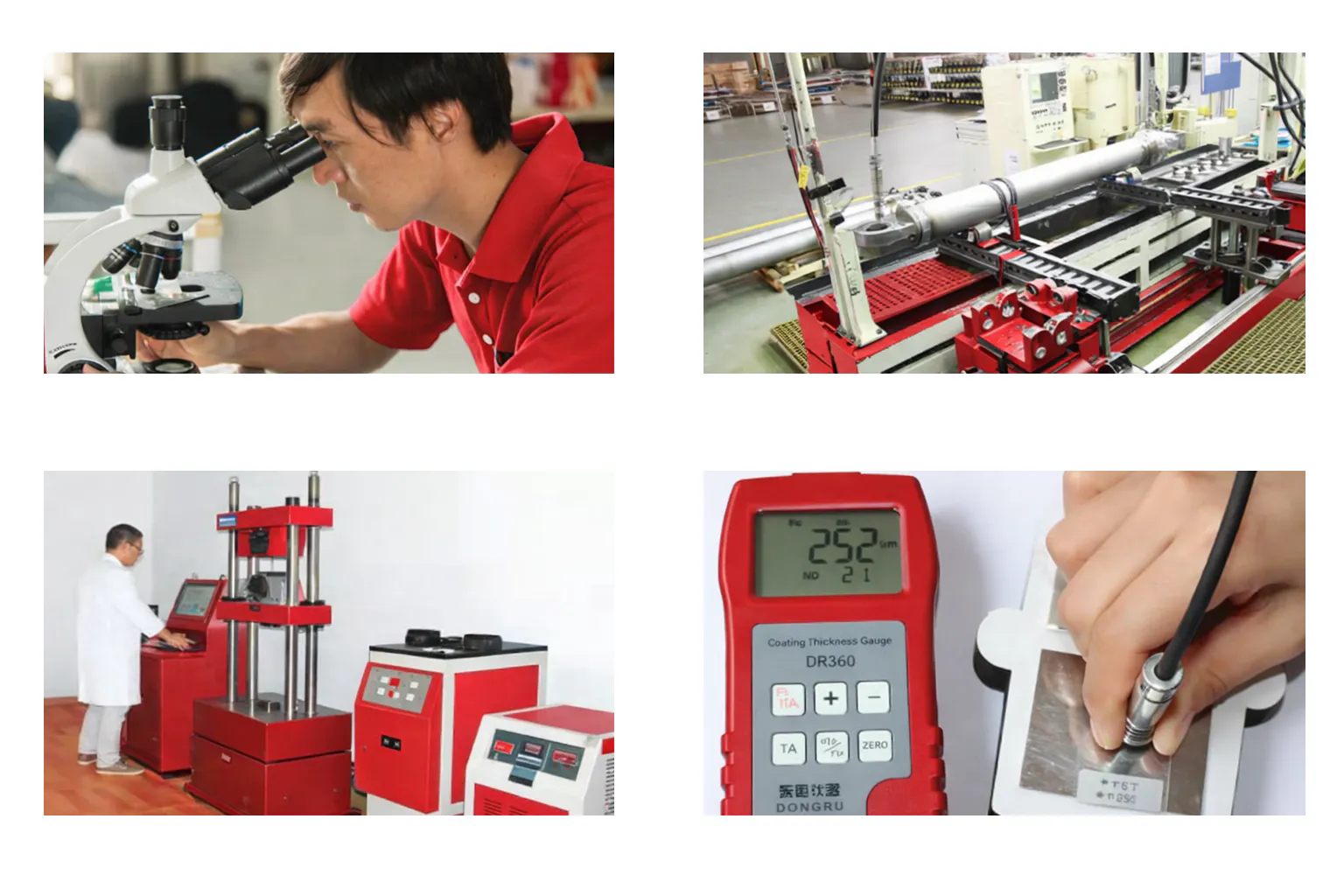
The design and manufacture of the Cylinder For Forklift Accessories adhere to international safety regulations to ensure user protection and operational legality. In South Korea, our products comply with the KOSHA (Korea Occupational Safety and Health Agency) standards for lifting equipment and hydraulic components. This involves rigorous testing of load-bearing capacities and failure modes. Globally, we follow the ISO 3691-1 standards, which specify safety requirements for industrial trucks. For hydraulic systems specifically, we align with ISO 4413, which sets out general rules and safety requirements for hydraulic fluid power systems and their components. In the European Union, the CE marking indicates compliance with the Machinery Directive 2006/42/EC. Furthermore, North American markets require compliance with ANSI/ITSDF B56.1 standards. By adhering to these diverse regulatory frameworks, we ensure that our forklift tilt cylinder is safe for export and use in any jurisdiction, providing peace of mind to international distributors and end-users.
6. Application Scenarios
Heavy-Duty Logistics & Warehousing
In high-throughput distribution centers across Seoul and Busan, our Cylinder For Forklift Accessories is used to manage the rapid movement of pallets. The EP-HCYA-2 ensures that mast tilt operations are precise, allowing for safe stacking in high-density racking systems.
Port Terminal Operations
For container handling and bulky cargo at port facilities, the forklift hydraulic tilt cylinder must withstand saltwater corrosion and extreme load shifts. Our cylinders are treated with specialized coatings to thrive in these demanding maritime environments.
Construction & Infrastructure Projects
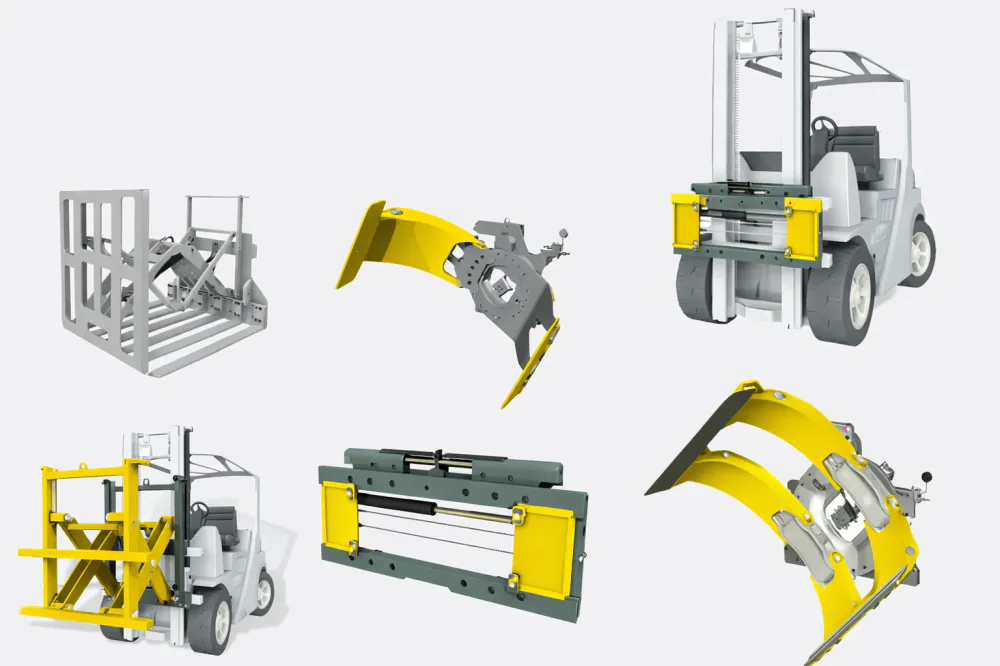
Rough-terrain forklifts utilized in South Korean infrastructure development rely on our lift cylinder forklift technology to maintain stability on uneven ground. The high-pressure rating ensures peak performance even in dusty, high-vibration construction sites.
7. About us
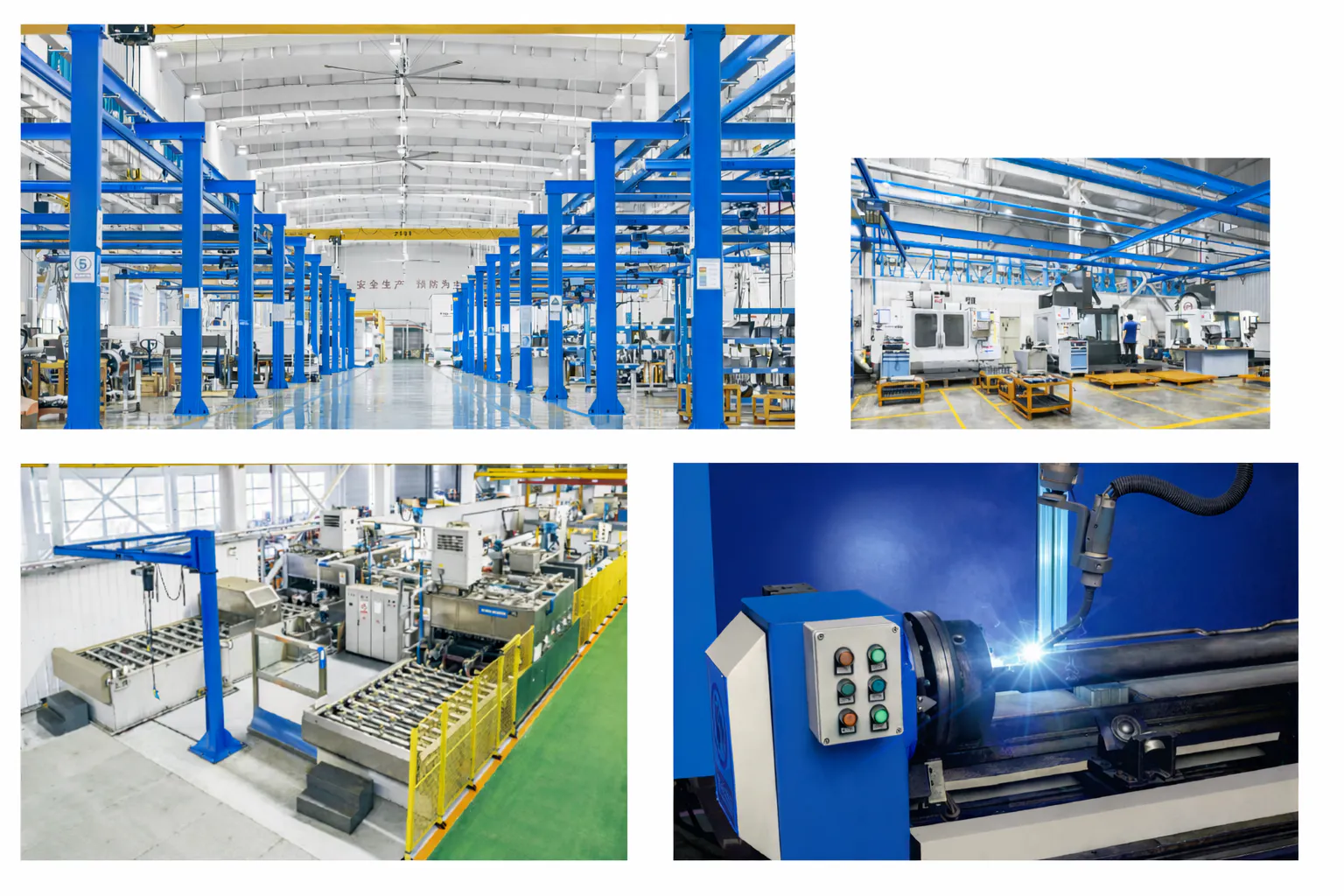
As a professional forklift tilt cylinder manufacturer, our pursuit of excellence permeates every stage of production, from initial research and development to final testing. We possess a modern, intelligent manufacturing base with independent R&D capabilities and are one of the leading professional hydraulic cylinder production bases. We focus on the development of core intellectual property rights, ensuring that every forklift tilt cylinder we produce meets international advanced standards. Adhering to a pragmatic and efficient engineering philosophy, we serve the global community and create a better future for the logistics industry.
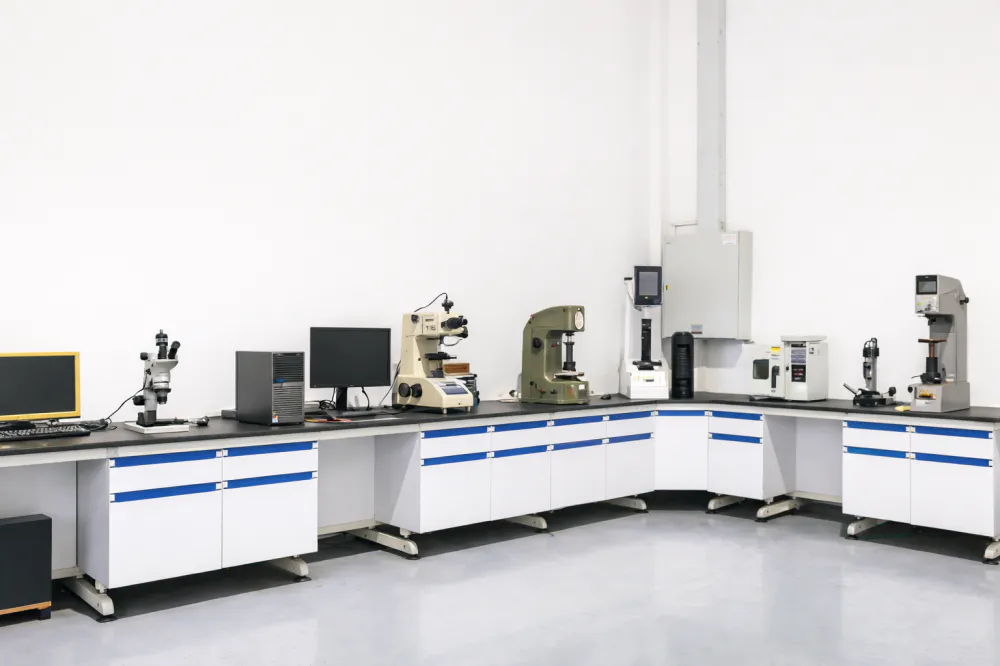
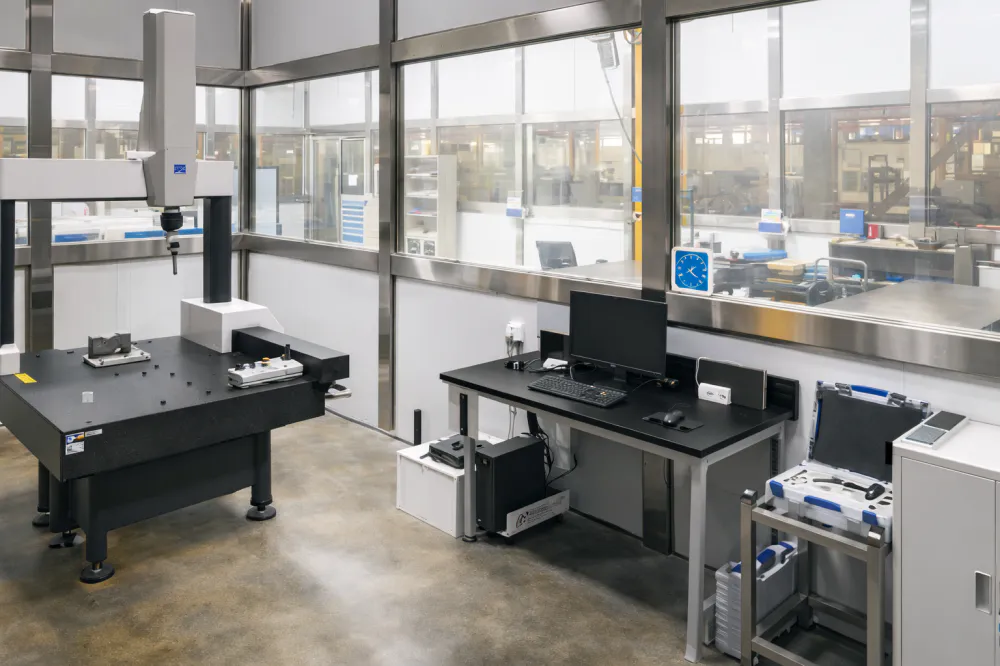
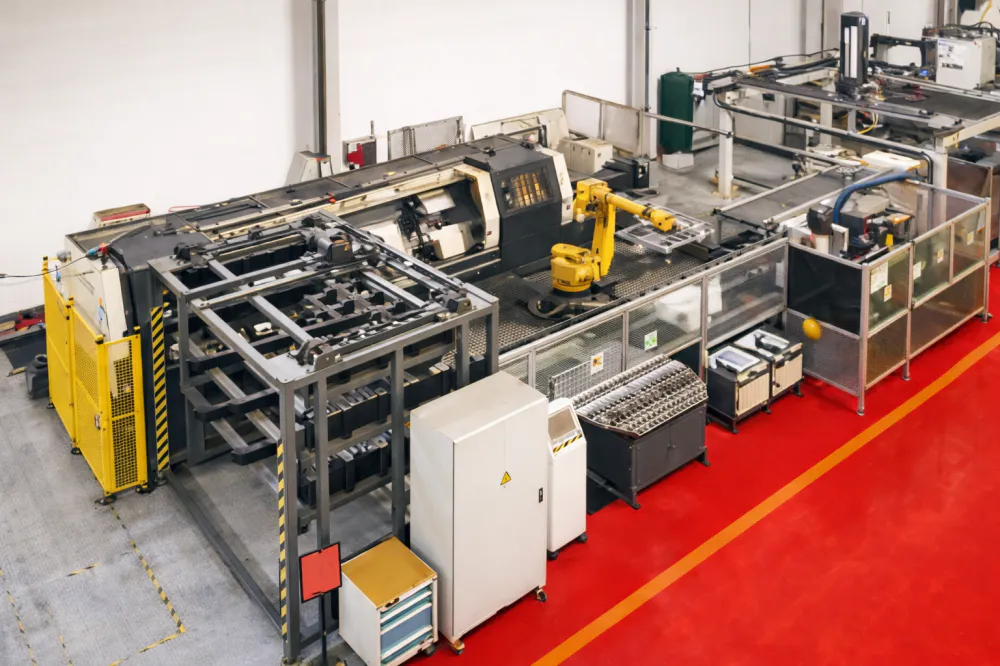
WorkShop
8. Field Engineering Notes
"We recently retrofitted a fleet of 15-ton trucks in Ulsan with the EP-HCYA-2 model. The installation distance of 597mm matched the chassis perfectly, eliminating the need for custom mounts. During peak shifts, the cylinders maintained a consistent 25MPa pressure without any thermal issues. The responsiveness of the tilt action has noticeably improved operator confidence."
— Senior Maintenance Engineer, South Korea (Logistics & Port Operations)
"Sourcing high-quality hydraulic components that comply with local safety standards can be a challenge. The EP-HCYA-2 not only meets our pressure withstand requirements but the seal durability is superior to many OEM parts we've tested. We are using these for our medium-lift fleet in Singapore, and the results have been exceptional."
— Procurement Director, Singapore (Industrial Equipment Supply)
9. Complementary Solutions
System Compatibility & Integration
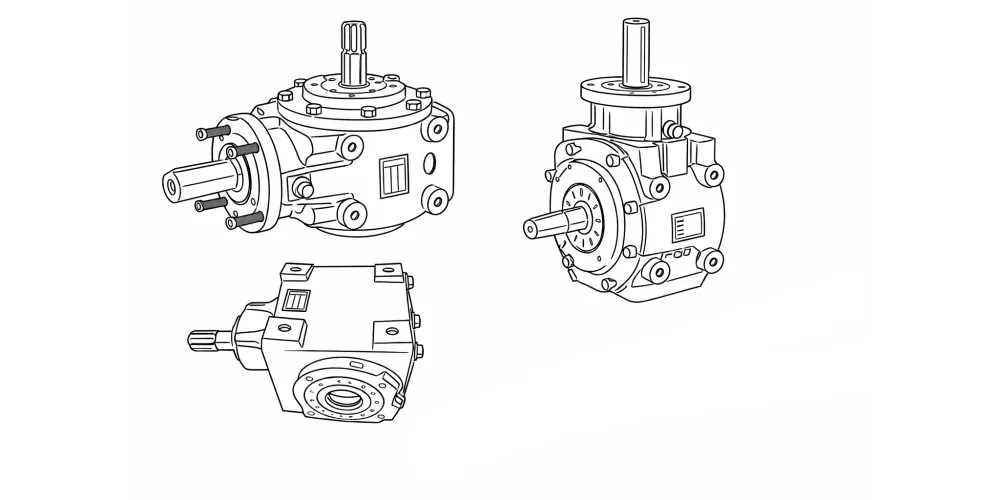
We provide a one-stop shop for agricultural and industrial drivetrain components. Our high-performance Gearboxes are designed to work in harmony with our hydraulic cylinders, ensuring maximum system synergy and energy efficiency.
Frequently Asked Questions
Q1. What is the specific role of the tilt cylinder in a modern forklift hydraulic system?
A1. A tilt cylinder provides the necessary force to pivot the forklift mast, allowing for secure load stabilization and precise placement of pallets.
Q2. How does the EP-HCYA-2 compare to standard forklift tilt cylinder replacement options currently available on the market?
A2. Our model offers superior withstand pressure of 35MPa and higher-grade chrome plating, ensuring longer life cycles compared to budget aftermarket alternatives.
Q3. What is the difference between lift cylinder and tilt cylinder functions in a standard industrial truck?
A3. Lift cylinders handle vertical movement (up/down), while tilt cylinders control the angular movement (forward/back) of the mast for better load management.
Q4. Which hydraulic fluid is recommended for the EP-HCYA-2 model to ensure optimal performance in cold weather?
A4. We recommend using ISO VG 32 hydraulic oil for winter operations to maintain consistent flow and prevent sluggish cylinder response times.
Q5. What are the common signs of forklift tilt cylinder drift and how can it be fixed efficiently?
A5. Drift is usually caused by internal seal wear. Replacing the forklift tilt cylinder seal kit or upgrading to our EP-HCYA-2 cylinder solves this.
Q6. When should I perform a forklift hydraulic lift cylinder inspection to meet local KOSHA safety regulations?
A6. Visual inspections should be daily, while a thorough hydraulic pressure test should be conducted every six months for full regulatory compliance.
Q7. How does the Φ125 bore size benefit high-capacity material handling compared to smaller forklift mast cylinder models?
A7. The larger Φ125 bore creates more surface area for hydraulic pressure, allowing the forklift to lift heavier loads with less internal strain.
Q8. Why is the installation distance of 597mm critical when sourcing a Hyster forklift tilt cylinder replacement unit?
A8. The exact installation distance ensures that the cylinder fits the existing mounting points, preventing mechanical interference and ensuring correct mast geometry.
Editor: PXY