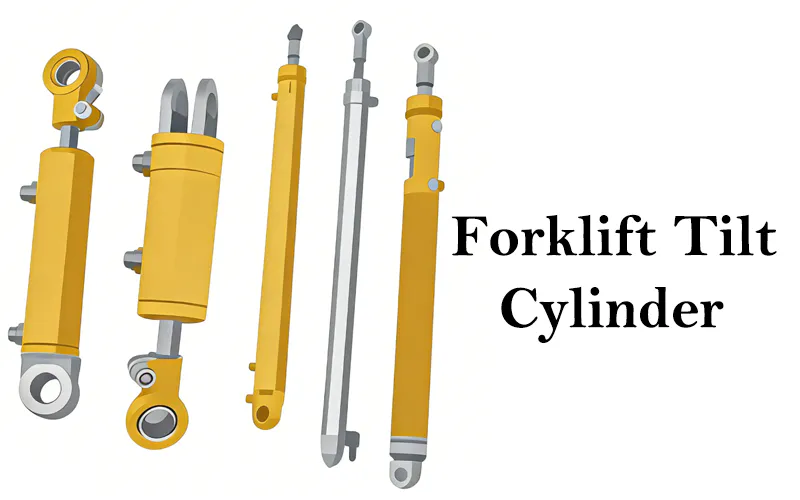
Product Description
ZheJiang CHINAMFG Hydraulic Co., Ltd is specialized in hydraulic products Design, R&D and Manufacturing.
We mainly produce Hydraulic Cylinders for the Trucks, Coal Mining Industry, Metal Forming Industry Ship Industry, Oil Rigs and CHINAMFG Engineering.Also we can design and manufacture various special purpose hydraulic cylinders according to customer design and requirements as agriculture industry, 6 DOF platform, machine tools, etc.
Our annual capacity is 200,000 pcs of cylinders which makes our company an important production base for Hydraulic Cylinders in China.
History of Wantong:
>Dump truck telescopic hydraulic cylinder was successsfully developed in 2002;
>Began to cooperate with famous brands companies ,Such as CHINAMFG ,SHACMAN in 2005;
>Passed ISO/TS 16949 International Quality management system certification in 2006;
>Began to cooperate with ZMJ,Co.,Ltd in 2009;
>The electroplating production line was completed and had passed the accepance of environmental impact assessment in 2012;
>Has been raised as a listed Company in 2014;
>Cylinder with 10-stage .22-meter stroke for Military project was successfully developed in 2015;
>The North American Type Thin-Walltelescopic cylinder was successfully developed in 2015;
>Military Hydro-Pneumatic Spring and Suspension System was successfully developed in 2016;
Technical specification Description:
| Material | 27SiMn, 40CrMo, ST52, 45# |
| Honed tube | Heat treatment, honing, rolling |
| Piston rod | Tempering, plated nickel, Chrome |
| Working Pressure | As hydraulic cylinder request |
| Seals | Imported seals, like Parker, Hallite, NOK, etc, are usually used to extend the working life of hydraulic cylinders. |
| Customer Oriented Service Concept | The delivery time, packaging and special requirements etc can be met strictly according to the customers’ requirements |
| Coating | Sandblasting, primer paint, middle paint, finish paint |
| Rich Market Experiences | Many years cooperation with famous brands, like SINOTRUK, CIMC, JAC, SHACMAN, ZMJ and YANKUANG GROUP |
| Strict Quality Control | Raw material entering to factory and up |
| Package | Pallet, Wooden Case or as Customer’s Requirement |
| Mounting style | Earrings, flange,screw thread etc |
Production Process:
>Each processing under our control, each products, every step under strict quality control;
Exhibitions& Customers:
>We are the supplier of SINOTRUK, CIMC, JAC, SHACMAN, ZMJ and YANKUANG GROUP
manufacturing and refitting company use our telescopic cylinder as first choice.
>We attended each Bauma exhibition, the world trade fair for construction equipment, building material machines, mining machines and earn much more opportunity to extend our business to oversea market.
Quality Control:
1, The mechanical properties and chemical elements of the raw material will be inspected to check whether qualified after entering the warehouse.
2, Chemical composition inspection of raw materials, Test the chemical composition of metallic materials, such as C, Si, Mn, P, S, Cr, Ni and other elements.Mainly for raw materials incoming inspection, by testing whether the material qualified, receiving materials.
3, Metallographic analysis of metal materials is usually the raw materials, such as copper, iron, aluminum, magnesium, zinc, titanium, etc., for the processing of structural parts and finished product evaluation, through the metallographic analysis, You can find a variety of possible reasons for failure analysis in time, Prediction and analysis the characteristics of metallic materials and materials, Study material surface, and internal defects, and to improve and verify the process technology of the material;
4, Salt spray test is a major use of salt spray test equipment created by the artificial simulation of salt spray environmental conditions to assess the corrosion resistance of products or metal materials, environmental testing
5, Mechanical performance testing equipment can meet the requirements of mechanical testing, all the use of computer digital display, so the accuracy is more accurate so that the mechanical properties of each cylinder barrel has been greatly improved.
6, Every workpiece is machined according to the confirmed drawings and will be inspected casually by QC according to a certain proportion.The traceable record shall be clear and traceable.
7, The qualified parts are assembled into 1 cylinder and then the pressure test will be done.
Before and after assembly, the basic dimensions and workmanship will be inspected again.
8, An inspection report will come into being before delivery.
Certificated:
Package:
Guarantee and after sale service:
> Pre-sale service: Keep communicating with the truck manufacturers, including the selection of product model, the design of a hydraulic system, a test of performance and analysis of the accident. Once the problems occur, we will solve them immediately together with truck manufacturers.
>The sale service: Provide training and technical support for users.
> After-sale service: Solve the problem firstly, then analyze responsibility; Replace the system components
immediately if any need.
> 24 hours telephone service hotline.
FAQ
Our front end cylinder for tipper system have market share of top 3 in china.
Q1:Are you a manufacture or a trade company?
Answer:Manufacture, we are the leader manufacturer of hydraulic industry in China with 20 years’ experience and technology accumulation.With strong technical team we could solve any annoyance of you.
Q2:Do you have quality control system?
Answer:Yes,We have Strict Quality Control System from Raw Material to the final finished products to customer .
Q3:Do your products come with a warranty?
Answer:Yes, Period of 14 months from the date of manufacture.The manufacture date is engraved on the label of every cylinder.
Q4:Hydraulic cylinder internal leakage?
Answer:3 main reasons causing internal leakage:Overload, polishing bad controlled, cheap seal kits.As is known to all, vehicles in China are often overloaded, our products all designed to bear the overload power.Advanced equipment could assure the polish processing.And we use the imported/TOP brand seals to meet customers’ requirement.
Q5:Does your telescopic cylinder adopt chrome plating for every stage.
Chrome-plating technology is adopted for every stage of telescopic cylinders.
Card:
Melissa sun
ZheJiang CHINAMFG Hydraulic Co., Ltd.
Add:500m east of Xihu (West Lake) Dis. County Railway Station, HangZhou City, ZheJiang Province, China
A specialized hydraulic design, R&D, and manufacturing enterprise.See wthydraulic for more information
| Certification: | ISO9001, ISO16949 |
|---|---|
| Pressure: | 15MPa-23MPa |
| Work Temperature: | -30-80 Degree |
| Acting Way: | Single Acting |
| Working Method: | Straight Trip |
| Structure: | Piston Type |
| Samples: |
US$ 0/Piece
1 Piece(Min.Order) | |
|---|
| Customization: |
Available
|
|
|---|
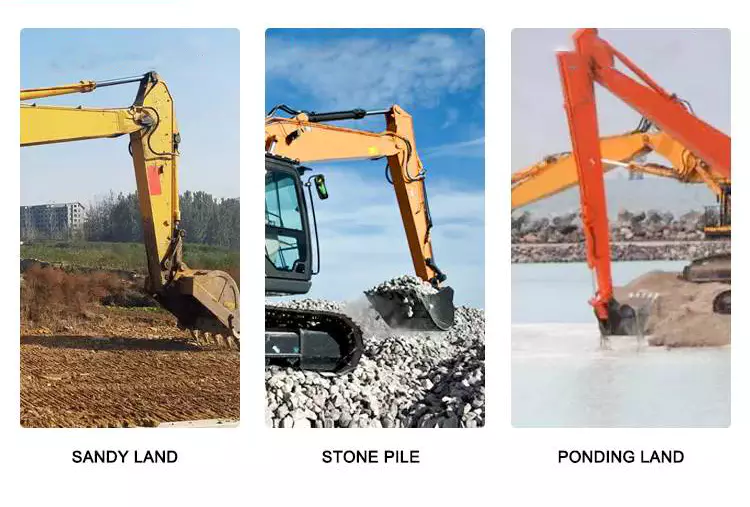
What advancements in hydraulic cylinder technology have improved sealing and reliability?
Advancements in hydraulic cylinder technology have continuously contributed to improving sealing and reliability in hydraulic systems. These advancements aim to address common challenges such as leakage, wear, and failure of seals, ensuring optimal performance and longevity. Here are several key advancements that have significantly improved sealing and reliability in hydraulic cylinders:
1. High-Performance Sealing Materials:
– The development of advanced sealing materials has greatly improved the sealing capabilities of hydraulic cylinders. Traditional sealing materials like rubber have been replaced or enhanced with high-performance materials such as polyurethane, PTFE (polytetrafluoroethylene), and various composite materials. These materials offer superior resistance to wear, temperature, and chemical degradation, resulting in improved sealing performance and extended seal life.
2. Enhanced Seal Designs:
– Advancements in seal designs have focused on improving sealing efficiency and reliability. Innovative seal profiles, such as lip seals, wipers, and scrapers, have been developed to optimize fluid retention and prevent contamination. These designs provide better sealing performance, minimizing the risk of fluid leakage and maintaining system integrity. Additionally, improved seal geometries and manufacturing techniques ensure tighter tolerances, reducing the potential for seal failure due to misalignment or extrusion.
3. Integrated Seal and Bearing Systems:
– Hydraulic cylinders now incorporate integrated seal and bearing systems, where the sealing elements also serve as bearing surfaces. This design approach reduces the number of components and potential failure points, improving overall reliability. By integrating seals and bearings, the risk of seal damage or displacement due to excessive loads or misalignment is minimized, resulting in enhanced sealing performance and increased reliability.
4. Advanced Coatings and Surface Treatments:
– The application of advanced coatings and surface treatments to hydraulic cylinder components has significantly improved sealing and reliability. Coatings such as chrome plating or ceramic coatings enhance surface hardness, wear resistance, and corrosion resistance. These surface treatments provide a smoother and more durable surface for seals to operate against, reducing friction and improving sealing performance. Moreover, specialized coatings can also provide self-lubricating properties, reducing the need for additional lubrication and enhancing reliability.
5. Sealing System Monitoring and Diagnostic Technologies:
– The integration of monitoring and diagnostic technologies in hydraulic systems has revolutionized seal performance and reliability. Sensors and monitoring systems can detect and alert operators to potential seal failures or leaks before they escalate. Real-time monitoring of pressure, temperature, and seal performance parameters allows for proactive maintenance and early intervention, preventing costly downtime and ensuring optimal sealing and reliability.
6. Computational Modeling and Simulation:
– Computational modeling and simulation techniques have played a significant role in advancing hydraulic cylinder sealing and reliability. These tools enable engineers to analyze and optimize seal designs, fluid flow dynamics, and contact stresses. By simulating various operating conditions, potential issues such as seal extrusion, wear, or leakage can be identified and mitigated early in the design phase, resulting in improved sealing performance and enhanced reliability.
7. Systematic Maintenance Practices:
– Advances in hydraulic cylinder technology have also emphasized the importance of systematic maintenance practices to ensure sealing and overall system reliability. Regular inspection, lubrication, and replacement of seals, as well as routine system flushing and filtration, help prevent premature seal failure and optimize sealing performance. Implementing preventive maintenance schedules and adhering to recommended service intervals contribute to extended seal life and enhanced reliability.
In summary, advancements in hydraulic cylinder technology have led to significant improvements in sealing and reliability. High-performance sealing materials, enhanced seal designs, integrated seal and bearing systems, advanced coatings and surface treatments, sealing system monitoring and diagnostics, computational modeling and simulation, and systematic maintenance practices have all played key roles in achieving optimal sealing performance and increased reliability. These advancements have resulted in more efficient and dependable hydraulic systems, minimizing leakage, wear, and failure of seals, and ultimately improving the overall performance and longevity of hydraulic cylinders in diverse applications.
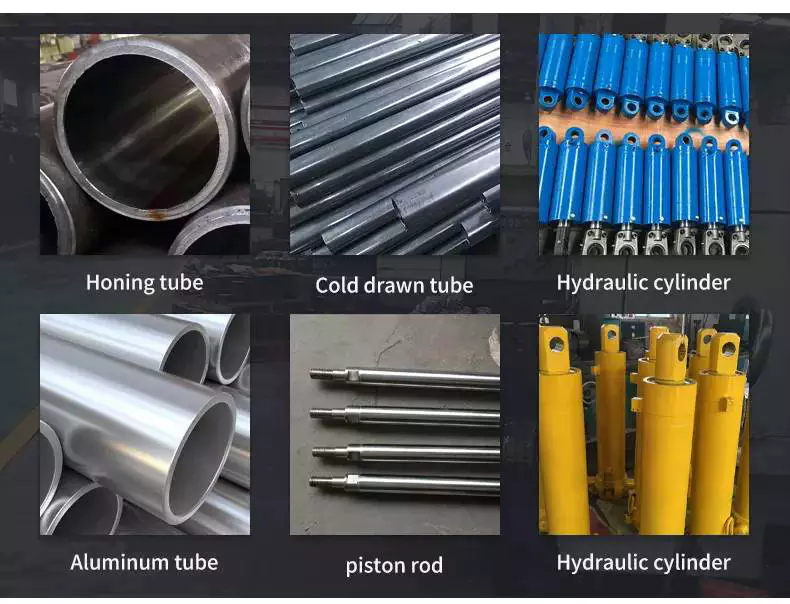
Ensuring Consistent Force Output for Repetitive Tasks with Hydraulic Cylinders
Hydraulic cylinders are designed to ensure consistent force output for repetitive tasks. This consistency is essential for maintaining precise control, achieving uniform results, and optimizing the performance of hydraulic systems. Let’s explore how hydraulic cylinders achieve consistent force output for repetitive tasks:
- Design and Manufacturing Standards: Hydraulic cylinders are manufactured to meet strict design and manufacturing standards. These standards ensure that the cylinders are built with precision and accuracy, enabling them to deliver consistent force output. The components, such as the piston, cylinder barrel, seals, and valves, are engineered to work together harmoniously, minimizing variations in force generation.
- Pressure Regulation: Hydraulic systems incorporate pressure regulation mechanisms to maintain a constant pressure level. Pressure relief valves, pressure regulators, and pressure-compensated pumps help maintain a consistent hydraulic pressure throughout the system. By regulating the pressure, hydraulic cylinders receive a consistent supply of pressurized fluid, resulting in consistent force output for repetitive tasks.
- Flow Control: Flow control valves are utilized in hydraulic systems to manage the flow rate of hydraulic fluid. These valves regulate the speed at which the fluid enters and exits the hydraulic cylinder, influencing the force output. By controlling the flow rate, hydraulic cylinders can achieve consistent force output for repetitive tasks. This is particularly important when it comes to tasks that require precise and uniform force application.
- Effective Seal Performance: Sealing systems play a crucial role in hydraulic cylinders by preventing fluid leakage and maintaining pressure integrity. High-quality seals and proper installation ensure effective sealing throughout the cylinder’s operation. By minimizing internal leakage, hydraulic cylinders can maintain consistent force output, even during repetitive tasks.
- Maintenance and Inspection: Regular maintenance and inspection of hydraulic cylinders are essential for ensuring consistent force output. By following maintenance schedules, replacing worn-out components, and monitoring cylinder performance, any potential issues that could affect force consistency can be identified and addressed promptly. This proactive approach helps maintain the reliability and performance of hydraulic cylinders over time.
In summary, hydraulic cylinders employ various mechanisms to ensure consistent force output for repetitive tasks. Adherence to design and manufacturing standards, pressure regulation, flow control, effective seal performance, and regular maintenance all contribute to achieving consistent force output. By maintaining precision, minimizing variations, and addressing potential issues, hydraulic cylinders provide reliable and consistent force generation, facilitating the successful completion of repetitive tasks in various applications.
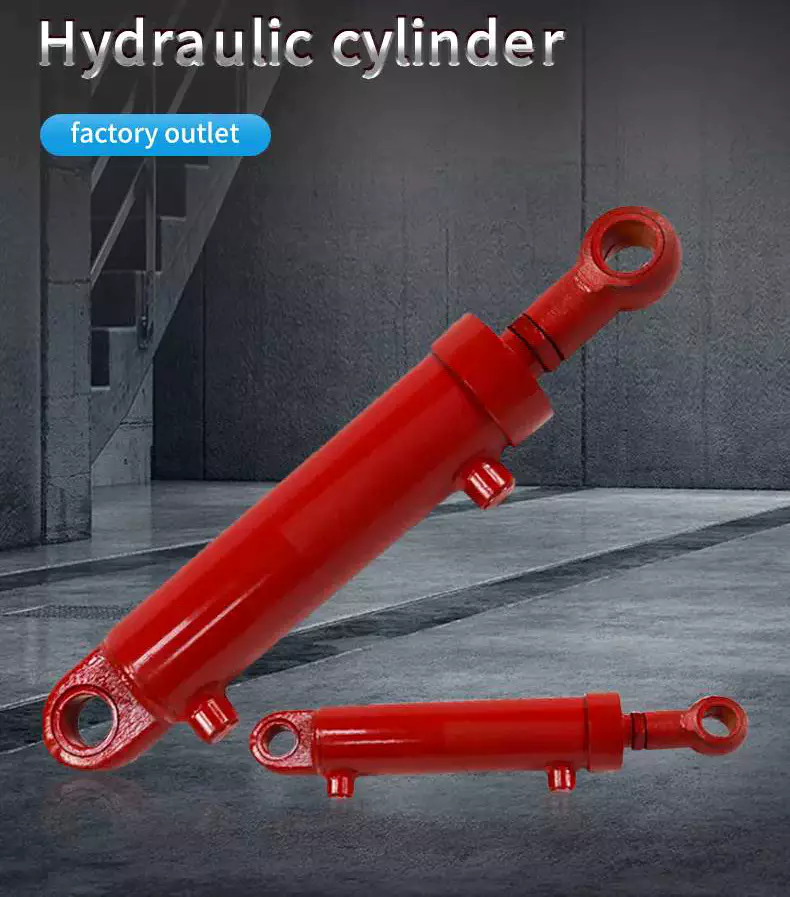
What is a hydraulic cylinder and how does it function in various applications?
A hydraulic cylinder is a mechanical actuator that converts hydraulic energy into linear force and motion. It plays a critical role in various applications where controlled and powerful linear motion is required. Hydraulic cylinders are commonly used in industries such as construction, manufacturing, agriculture, and transportation. Here’s a detailed explanation of what a hydraulic cylinder is and how it functions:
Definition and Components:
– A hydraulic cylinder consists of a cylindrical barrel, a piston, a piston rod, and various seals. The barrel is a hollow tube that houses the piston and allows for fluid flow. The piston divides the cylinder into two chambers: the rod side and the cap side. The piston rod extends from the piston and provides a connection point for external loads. Seals are used to prevent fluid leakage and maintain hydraulic pressure within the cylinder.
Function:
– The function of a hydraulic cylinder is to convert the pressure and flow of hydraulic fluid into linear force and motion. The hydraulic fluid, typically oil, is pressurized and directed into one of the chambers of the cylinder. As the fluid enters the chamber, it applies pressure on the piston, causing it to move in a linear direction. This linear motion of the piston is transferred to the piston rod, creating a pushing or pulling force.
Working Principle:
– The working principle of a hydraulic cylinder is based on Pascal’s law, which states that pressure exerted on a fluid in a confined space is transmitted equally in all directions. In a hydraulic cylinder, when hydraulic fluid is pumped into one side of the cylinder, it creates pressure on the piston. The pressure is transmitted through the fluid to the other side of the piston, resulting in a balanced force across the piston and piston rod. This force generates linear motion in the direction determined by the fluid input.
Applications:
– Hydraulic cylinders find extensive use in a wide range of applications due to their ability to generate high forces and precise control of linear motion. Some common applications include:
1. Construction Equipment: Hydraulic cylinders are used in excavators, loaders, bulldozers, and cranes for lifting, pushing, and digging tasks.
2. Manufacturing Machinery: Hydraulic cylinders are employed in presses, machine tools, and material handling equipment for pressing, clamping, and lifting operations.
3. Agricultural Machinery: Hydraulic cylinders are used in tractors, harvesters, and irrigation systems for tasks like steering, lifting, and controlling attachments.
4. Transportation: Hydraulic cylinders are utilized in vehicles such as dump trucks, garbage trucks, and forklifts for tilting, lifting, and tipping operations.
5. Aerospace and Defense: Hydraulic cylinders are employed in aircraft landing gear, missile systems, and hydraulic actuators for control surfaces.
6. Marine and Offshore: Hydraulic cylinders are used in ship steering systems, cranes, and offshore drilling equipment for various lifting and positioning tasks.
In these applications, hydraulic cylinders offer advantages such as high force capability, precise control, compact size, and durability. They provide efficient and reliable linear motion, contributing to enhanced productivity and functionality in a wide range of industries.
Overall, hydraulic cylinders are integral components in various applications where controlled and powerful linear motion is required. Their ability to convert hydraulic energy into mechanical force makes them invaluable in numerous industries, enabling the operation of heavy machinery, precise positioning, and efficient load handling.


editor by CX 2023-11-18