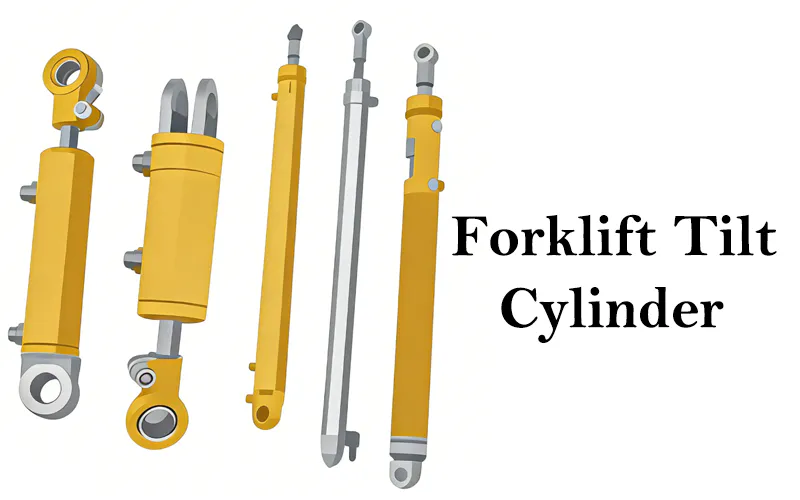
Product Description
Product Description
| Capacity | Stroke | Model | Min Height | Outside Diameter | Effective Area | Oil Capacity | Saddle Diameter | Weight |
| (Ton) | (mm) | (mm) | (mm) | (cm²) | (cm³) | (mm) | (Kg) | |
| 50 | 50 | CLL502 | 164 | 125 | 70.9 | 355 | 71 | 15 |
| 50 | 100 | CLL5O4 | 214 | 125 | 70.9 | 709 | 71 | 20 |
| 50 | 150 | CLL506 | 264 | 125 | 70.9 | 1064 | 71 | 25 |
| 50 | 200 | CLL508 | 314 | 125 | 70.9 | 1418 | 71 | 30 |
| 50 | 250 | CLL5571 | 364 | 125 | 70.9 | 1773 | 71 | 35 |
| 50 | 300 | CLL5012 | 414 | 125 | 70.9 | 2127 | 71 | 40 |
| 100 | 50 | CLL1002 | 187 | 165 | 132.7 | 664 | 71 | 30 |
| 100 | 100 | CLL1004 | 237 | 165 | 132.7 | 1327 | 71 | 39 |
| 100 | 150 | CLL1006 | 287 | 165 | 132.7 | 1991 | 71 | 48 |
| 100 | 200 | CLL1008 | 337 | 165 | 132.7 | 2654 | 71 | 56 |
| 100 | 250 | CLL1571 | 387 | 165 | 132.7 | 3318 | 71 | 64 |
| 100 | 300 | CLL10012 | 437 | 165 | 132.7 | 3981 | 71 | 73 |
| 150 | 50 | CLL1502 | 209 | 205 | 201 | 1005 | 130 | 53 |
| 150 | 100 | CLL1504 | 259 | 205 | 201 | 2571 | 130 | 66 |
| 150 | 150 | CLL1506 | 309 | 205 | 201 | 3015 | 130 | 78 |
| 150 | 200 | CLL1508 | 359 | 205 | 201 | 4571 | 130 | 92 |
| 150 | 250 | CLL15571 | 409 | 205 | 201 | 5571 | 130 | 104 |
| 150 | 300 | CLL15012 | 459 | 205 | 201 | 6030 | 130 | 117 |
| 200 | 50 | CLL2002 | 243 | 235 | 265. 6 | 1330 | 130 | 83 |
| 200 | 150 | CLL2006 | 343 | 235 | 265.6 | 3989 | 130 | 117 |
| 200 | 250 | CLL2571 | 443 | 235 | 265.6 | 6648 | 130 | 152 |
| 250 | 50 | CLL2502 | 249 | 275 | 366.4 | 1832 | 150 | 116 |
| 250 | 150 | CLL2506 | 349 | 275 | 366.4 | 5496 | 150 | 162 |
| 250 | 250 | CLL25571 | 449 | 275 | 366.4 | 9160 | 150 | 210 |
| 300 | 50 | CLL3002 | 295 | 310 | 456.2 | 2281 | 139 | 173 |
| 300 | 150 | CLL3006 | 395 | 310 | 456.2 | 6843 | 139 | 233 |
| 300 | 250 | CLL3571 | 495 | 310 | 456.2 | 11405 | 139 | 293 |
| 400 | 50 | CLL4002 | 335 | 350 | 559. 9 | 2800 | 159 | 250 |
| 400 | 150 | CLL4006 | 435 | 350 | 559. 9 | 8399 | 159 | 327 |
| 400 | 250 | CLL4571 | 535 | 350 | 559.9 | 13998 | 159 | 402 |
| 500 | 50 | CLL5002 | 375 | 400 | 730. 6 | 3656 | 228 | 367 |
| 500 | 150 | CLL5006 | 475 | 400 | 730.6 | 10967 | 228 | 466 |
| 500 | 250 | CLL5571 | 575 | 400 | 730.6 | 18278 | 228 | 567 |
| 600 | 50 | CLL6002 | 395 | 430 | 855.3 | 4277 | 194 | 446 |
| 600 | 150 | CLL6006 | 495 | 430 | 855.3 | 12830 | 194 | 562 |
| 600 | 250 | CLL6571 | 595 | 430 | 855.3 | 21383 | 194 | 679 |
| 800 | 50 | CLL8002 | 455 | 505 | 1176.9 | 5882 | 224 | 709 |
| 800 | 150 | CLL8006 | 555 | 505 | 1176.9 | 17645 | 224 | 870 |
| 800 | 250 | CLL8571 | 655 | 505 | 1176.9 | 29408 | 224 | 1571 |
| 1000 | 50 | CLL10002 | 495 | 560 | 1466.4 | 7329 | 360 | 949 |
| 1000 | 150 | CLL10006 | 595 | 560 | 1466. 4 | 21986 | 360 | 1141 |
| 1000 | 250 | CLL10571 | 695 | 560 | 1466.4 | 36643 | 360 | 1333 |
Company Profile
Why Choose Us
Quality control
Certifications
Exhibition photos
Our Customers
FAQ
Q: How to order?
A: Inquire with us→ sample customization→ use scenario inform→ receive our product design recommendation→ negotiate details→ confirm the sample→ CHINAMFG the contract/deposit→mass production→ the goods are ready→ balance/delivery→ further cooperation.
Q: How about the sample order?
A: We can provide the sample price, please contact us for details.
Q: Which shipping method is available?
A: By sea, by air, or by express (DHL, UPS, FedEx). Other shipping methods are also available, please contact us for details.
Q: How long is the delivery [production] and shipment?
A: The delivery time depends on the quantity you ordered. Shipped from the factory, within 3 days for standard parts and within 10 days for non-standard parts.
Q: My package is missing some products, what can I do?
A: Please contact our support team, we will confirm the contents of your order with the packaging, and compensate for the shipment. We apologize for the inconvenience.
Q: How to confirm the payment?
A: We accept T/T payment method. The first type is 30% deposit order confirmed, and the remaining 70% is paid before shipment, and the second type is 100% paid before shipment. Other payment methods are also acceptable, please contact us before you pay by other payment methods.
/* March 10, 2571 17:59:20 */!function(){function s(e,r){var a,o={};try{e&&e.split(“,”).forEach(function(e,t){e&&(a=e.match(/(.*?):(.*)$/))&&1
| Certification: | CE, ISO9001 |
|---|---|
| Pressure: | High Pressure |
| Work Temperature: | Normal Temperature |
| Acting Way: | Single Acting |
| Working Method: | Straight Trip |
| Adjusted Form: | Switching Type |
| Customization: |
Available
|
|
|---|
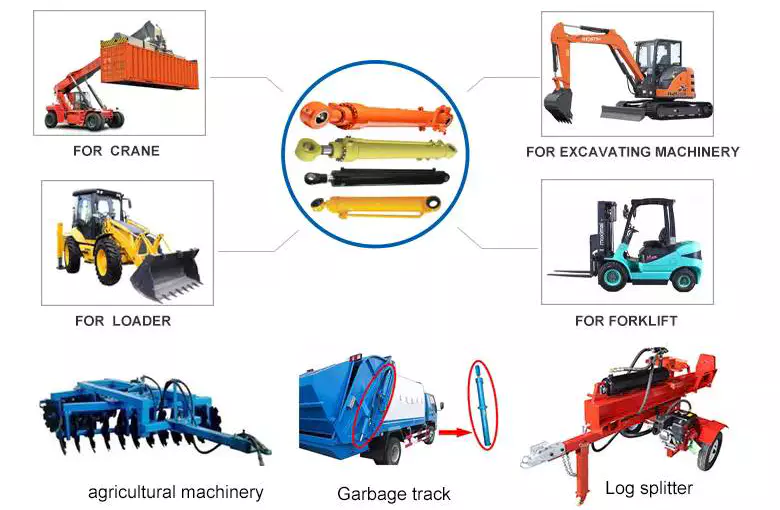
Are there any emerging trends in hydraulic cylinder technology, such as smart features?
Yes, there are several emerging trends in hydraulic cylinder technology, including the integration of smart features. As industries continue to adopt advanced technologies and seek greater efficiency, hydraulic cylinders are being equipped with innovative capabilities to enhance their performance and provide additional benefits. Here are some of the emerging trends in hydraulic cylinder technology:
1. Sensor Integration:
– One of the significant trends in hydraulic cylinder technology is the integration of sensors. Sensors can be embedded within the hydraulic cylinder to monitor various parameters such as pressure, temperature, position, and load. These sensors provide real-time data, allowing for condition monitoring, predictive maintenance, and improved operational control. By collecting and analyzing data, operators can optimize the performance of hydraulic systems, detect potential issues in advance, and prevent failures, resulting in increased reliability and reduced downtime.
2. Connectivity and IoT:
– Hydraulic cylinders are being integrated into the Internet of Things (IoT) ecosystem, enabling connectivity and data exchange. By connecting hydraulic cylinders to a network, operators can remotely monitor and control their performance. IoT-enabled hydraulic cylinders facilitate features such as remote diagnostics, performance optimization, and predictive maintenance. The connectivity aspect allows for better integration with overall equipment systems and enables data-driven decision-making for improved efficiency and productivity.
3. Energy-Efficient Designs:
– With the increasing focus on sustainability and energy efficiency, hydraulic cylinder technology is evolving to incorporate energy-saving features. Manufacturers are developing hydraulic cylinders with improved sealing technologies, reduced friction, and optimized fluid flow dynamics. These advancements minimize energy losses and increase overall system efficiency. Energy-efficient hydraulic cylinders contribute to reduced power consumption, lower operating costs, and a smaller environmental footprint.
4. Advanced Materials and Coatings:
– The use of advanced materials and coatings is another emerging trend in hydraulic cylinder technology. Manufacturers are exploring lightweight materials, such as composites and alloys, to reduce the overall weight of hydraulic cylinders without compromising strength and durability. Furthermore, specialized coatings and surface treatments are being applied to improve corrosion resistance, wear resistance, and lifespan. These advancements enhance the longevity and reliability of hydraulic cylinders, particularly in demanding environments.
5. Intelligent Control Systems:
– Hydraulic cylinder technology is embracing intelligent control systems that optimize performance and enable advanced functionalities. These systems utilize algorithms, machine learning, and artificial intelligence to automate processes, adapt to changing conditions, and optimize hydraulic cylinder movements. Intelligent control systems can adjust parameters in real-time, ensuring precise and efficient operation. This trend allows for increased automation, improved productivity, and enhanced safety in hydraulic system applications.
6. Predictive Maintenance:
– Predictive maintenance is gaining prominence in hydraulic cylinder technology. By utilizing data collected from sensors and monitoring systems, predictive maintenance algorithms can analyze the condition and performance of hydraulic cylinders. This analysis helps to identify potential failures or degradation in advance, enabling proactive maintenance actions. Predictive maintenance reduces unplanned downtime, extends the lifespan of hydraulic cylinders, and optimizes maintenance schedules, resulting in cost savings and improved equipment availability.
7. Enhanced Safety Features:
– Hydraulic cylinder technology is incorporating enhanced safety features to improve operator and equipment safety. These features include integrated safety valves, load monitoring systems, and emergency stop functionalities. Safety systems in hydraulic cylinders help prevent accidents, protect against overloads, and ensure reliable operation. The integration of advanced safety features contributes to safer working environments and compliance with stringent safety regulations.
These emerging trends in hydraulic cylinder technology demonstrate the industry’s focus on innovation, performance optimization, and sustainability. The integration of smart features, connectivity, advanced materials, and predictive maintenance capabilities enables hydraulic cylinders to operate more efficiently, provide real-time insights, and enhance overall system performance. As technology continues to advance, hydraulic cylinder technology is expected to evolve further, offering increased functionality and efficiency for various industries and applications.
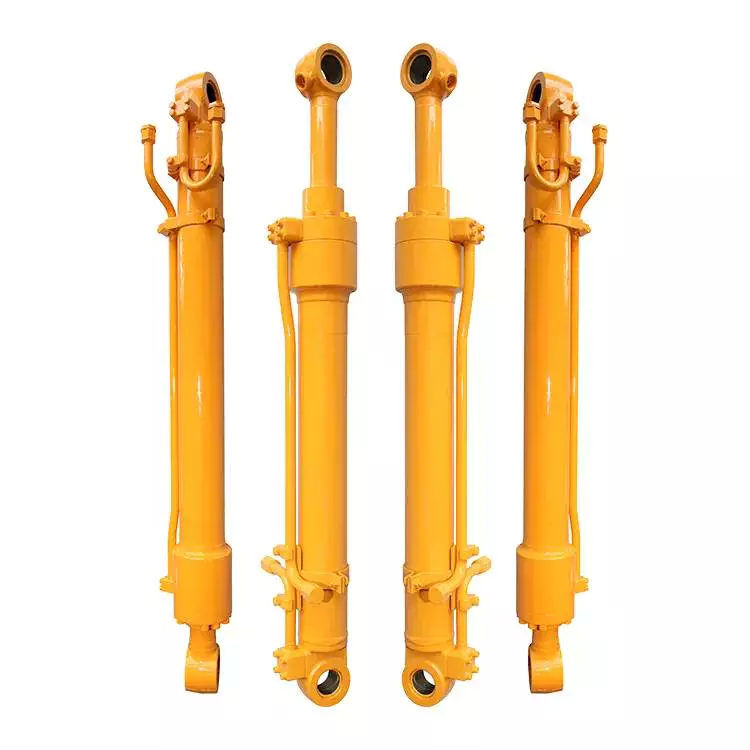
Utilizing Hydraulic Cylinders in Conjunction with Alternative Energy Sources
Hydraulic cylinders can indeed be used in conjunction with alternative energy sources. The versatile nature of hydraulic systems allows them to be integrated with various alternative energy technologies to enhance efficiency, control, and power generation. Let’s explore some examples of how hydraulic cylinders can be utilized alongside alternative energy sources:
- Hydraulic Energy Storage: Hydraulic cylinders can be employed in energy storage systems that utilize alternative energy sources such as renewable sources (e.g., solar or wind) or waste energy recovery. These systems convert excess energy into hydraulic potential energy by pumping fluid into a high-pressure accumulator. When the energy is needed, the pressurized fluid is released, driving the hydraulic cylinder and generating mechanical power.
- Wave and Tidal Energy Conversion: Hydraulic cylinders can be utilized in wave and tidal energy conversion systems. These systems harness the power of ocean waves or tidal currents and convert it into usable energy. Hydraulic cylinders, along with associated pumps and valves, can be used to capture and control the energy from the waves or tides, driving the cylinders and generating mechanical power or producing electricity.
- Hydroelectric Power Generation: Hydraulic cylinders play a crucial role in traditional hydroelectric power generation. However, alternative approaches such as small-scale or micro-hydropower systems can also benefit from hydraulic cylinders. These systems utilize natural or man-made water flows to drive turbines connected to hydraulic cylinders, which then convert the hydraulic energy into mechanical power or electricity.
- Hydraulic Actuation in Wind Turbines: Hydraulic cylinders can be employed in wind turbines to enhance performance and control. For example, hydraulic pitch control systems use hydraulic cylinders to adjust the pitch angle of wind turbine blades, optimizing their aerodynamic performance based on wind conditions. This allows for efficient power generation and protection against excessive wind loads.
- Geothermal Energy Extraction: Geothermal energy extraction involves utilizing the natural heat from the Earth’s interior to generate power. Hydraulic cylinders can be utilized in geothermal systems to control and regulate fluid flow, allowing for efficient extraction and utilization of geothermal energy. They can also be used in geothermal heat pumps for heating and cooling applications.
In summary, hydraulic cylinders can be effectively utilized in conjunction with alternative energy sources to enhance energy storage, power generation, and control. Whether it’s through hydraulic energy storage systems, wave and tidal energy conversion, hydroelectric power generation, hydraulic actuation in wind turbines, or geothermal energy extraction, hydraulic cylinders offer versatile and efficient solutions for harnessing and utilizing alternative energy sources.
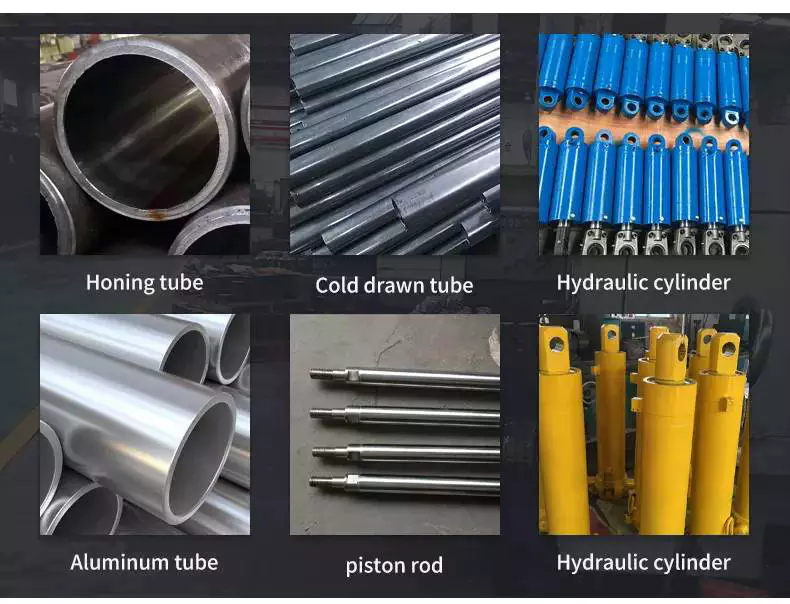
How do hydraulic cylinders contribute to the efficiency of heavy machinery like excavators?
Hydraulic cylinders play a crucial role in enhancing the efficiency and performance of heavy machinery, such as excavators. These powerful hydraulic actuators enable excavators to perform various tasks efficiently and effectively. Here’s a detailed explanation of how hydraulic cylinders contribute to the efficiency of heavy machinery like excavators:
1. Force and Power:
– Hydraulic cylinders provide the necessary force and power required for the excavation process. They convert hydraulic energy from the hydraulic fluid into linear mechanical force, allowing the excavator to exert significant pushing and pulling forces. The force generated by hydraulic cylinders enables the digging arm or boom of the excavator to penetrate and break through tough materials, such as soil, rocks, or concrete, with ease and efficiency.
2. Precise Control:
– Hydraulic cylinders offer precise control over the movement of excavator components. By regulating the flow of hydraulic fluid to the cylinders, operators can control the speed, direction, and positioning of the excavator’s arm, boom, bucket, and other attachments. This precise control allows operators to perform delicate operations, such as fine grading or precise material placement, with accuracy and efficiency.
3. Versatility and Adaptability:
– Hydraulic cylinders enable excavators to perform a wide range of tasks by facilitating the quick and easy interchangeability of attachments. Excavators can be equipped with various specialized attachments, including buckets, breakers, grapples, and augers, which can be efficiently connected and disconnected using hydraulic cylinders. This versatility and adaptability enhance the efficiency of excavators by enabling them to tackle different tasks without the need for extensive manual adjustments or downtime.
4. Increased Productivity:
– The power and control provided by hydraulic cylinders significantly increase the productivity of excavators. Excavators equipped with hydraulic cylinders can complete tasks more quickly and efficiently compared to manual or mechanically-driven machinery. The precise control over movements allows for faster cycle times, reduced idle time, and improved overall productivity on the worksite.
5. Enhanced Digging and Lifting Capabilities:
– Hydraulic cylinders enable excavators to perform digging and lifting operations with enhanced capabilities. The force generated by hydraulic cylinders allows excavators to dig deeper and lift heavier loads compared to other types of machinery. This increased digging and lifting capacity contributes to the efficiency of excavators by reducing the number of passes required to complete a task and improving overall productivity.
6. Durability and Reliability:
– Hydraulic cylinders are designed to withstand heavy loads, challenging operating conditions, and frequent use. They are built with robust materials, such as high-strength steel, and undergo stringent quality control measures during manufacturing. The durability and reliability of hydraulic cylinders ensure that excavators can operate efficiently even in demanding environments, minimizing downtime and maximizing productivity.
7. Energy Efficiency:
– Hydraulic systems, including hydraulic cylinders, are known for their energy efficiency. Hydraulic cylinders can deliver high force outputs while consuming relatively low amounts of hydraulic fluid. This energy efficiency translates to lower fuel consumption and reduced operating costs for excavators. The efficient use of hydraulic power contributes to the overall efficiency and sustainability of heavy machinery operations.
8. Safety:
– Hydraulic cylinders play a vital role in ensuring the safety of excavator operations. They provide controlled and predictable movements, reducing the risk of sudden or uncontrolled motions. The precise control offered by hydraulic cylinders allows operators to perform tasks safely and accurately, minimizing the chances of accidents or damage to the machinery or surrounding environment.
Overall, hydraulic cylinders are essential components that significantly contribute to the efficiency of heavy machinery like excavators. By providing force, precise control, versatility, increased productivity, enhanced capabilities, durability, energy efficiency, and safety, hydraulic cylinders enable excavators to perform a wide range of tasks efficiently and effectively in various industries, including construction, mining, and landscaping.


editor by CX 2023-12-28