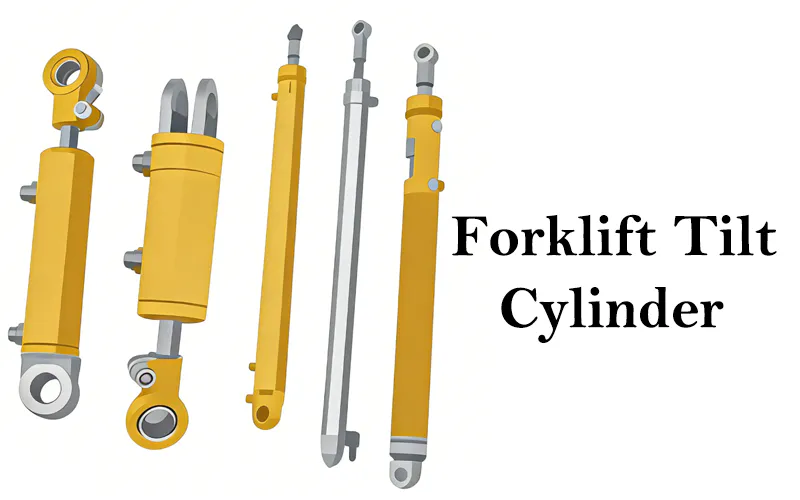
Product Description
Product Information
High quality CHINAMFG CaterpiIIar Blade Tilt Cylinder RH D10T 2320653/G hydraulic cylinder
| Working temperature | -40°C ~ 80°C |
| Color | RAL9005,Customize |
| Material | CK45,ST52,ST52-3,27SiMn,Customize |
| Seal kit | Trelleborg, Halite, Chesterton, NOK, Kayaba |
| Piston rod | Hard chromed |
| Packaging | Plywood case |
| Warranty | 12 months |
| Payment | T/T |
| Part NO. | Name of Commodity & Specification | Model | Measurement(CMS) | Volume | Net Weight(kg) | Gross WT (kg) | ||||
| Length | Width | Height | m³ | Unit | Total | Unit | Total | |||
| 2320653/G | D10T CaterpiIIar truck | D10T | 205.00 | 50.00 | 60.00 | 0.62 | 352.00 | 352.00 | 418.00 | 418.00 |
Popular Cylinder Type and Part No. for Mining Haul Truck
| Item No. |
Part NO. |
Name of Commodity & Specification |
Model |
| 1 | EJ6895/G | Front Suspension ASSY/830E Dump Truck | 830E |
| 2 | EM8840/G | Rear Suspension ASSY/830E Dump Truck | |
| 3 | EM8354/G | Hoist Cylinder ASSY/830E Dump Truck | |
| 4 | EL7952/G | Steering Cylinder ASSY/830E Dump Truck | |
| 5 | 9T2869/G | Blade Hoist Cylinder | D10T |
| 6 | 2320652/G | Blade Tilt Cylinder LH | |
| 7 | 2320653/G | Blade Tilt Cylinder RH | |
| 8 | 19926445/G | Ripper Lift Cylinder RH | |
| 9 | 19926446/G | Ripper Lift Cylinder LH | |
| 10 | 4T9977/G | Ripper Tilt Cylinder | |
| 11 | 252571/G | Blade Hoist Cylinder | D11T |
| 12 | 3672259 /G | Blade Tilt Cylinder LH | |
| 13 | 3672258 /G | Blade Tilt Cylinder RH | |
| 14 | 1616616/G | Ripper Lift Cylinder LH | |
| 15 | 1616615/G | Ripper Lift Cylinder RH | |
| 16 | 1306381/G | Ripper Lift Cylinder LH | |
| 17 | 1303263/G | Ripper Lift Cylinder RH |
Advantage
Better designs, better material, better value.
ROCA hydraulic cylinders are designed with rugged features to give unequaled service life and performance.
Mining equipment is continually subjected to torturous conditions that punish hydraulic cylinders. These difficult conditions include dust, grit, heat, cold, and moisture. Besides, the equipment is subject to slamming loads and mechanical impacts.
ROCA designs and manufactures excavators, dumper trucks, and heavy-duty hydraulic cylinders that endure these very difficult conditions.
Show
Shipment
Company Information
HangZhou CHINAMFG is a comprehensive manufacturing enterprise engaged in hydraulic cylinders, excavator attachment, metal casting, hydraulic components with certification approval to meet custom or OEM requirements.
ROCA owned factory offers customers effective-cost products with quality assurance. With its professional and experienced R&D team, CHINAMFG Hydraulic devotes itself to research and development to optimize products applied in construction, mining, waste management, forestry, agriculture, etc.
Hydraulic cylinders are the most effective and efficient method of pushing, pulling, lifting, and lowering.
Nowadays hydraulic cylinders play an essential role in daily application and industry:
√ Mining
√ Earthmoving & Construction
√ Agriculture &Forestry
√Waste Management & Material Handing
√Ship crane & offshore
Selecting the right cylinders for an application is critical in obtaining maximum performance and reliability.
CHINAMFG team considers all your concerns to suit your hydraulic cylinder requirements.
Together, we work out the best design solution for your application.
FAQ
1. What is the Warranty Period?
Generally 12 months from the date of bill of lading. For some special machines, the warranty can be prolonged after mutual agreement.
2. Which Payment Terms Can you Accept?
1,L/C+T/T
2,L/C+D/P
3. How Is Your Delivery Time?
It depends on the type of machine. In the general circumstance, it will take more than from 30days to 90days to finish production. But we always will try our best to advance the delivery. If the material is handy, the production time will also be shortened accordingly.
4. How Soon Can You Respond to Client’s Inquiry?
As soon as we saw it, no more than 12hours.
/* March 10, 2571 17:59:20 */!function(){function s(e,r){var a,o={};try{e&&e.split(“,”).forEach(function(e,t){e&&(a=e.match(/(.*?):(.*)$/))&&1
| Certification: | CE, ISO9001 |
|---|---|
| Pressure: | High Pressure |
| Work Temperature: | Low Temperature |
| Customization: |
Available
|
|
|---|
.shipping-cost-tm .tm-status-off{background: none;padding:0;color: #1470cc}
|
Shipping Cost:
Estimated freight per unit. |
about shipping cost and estimated delivery time. |
|---|
| Payment Method: |
|
|---|---|
|
Initial Payment Full Payment |
| Currency: | US$ |
|---|
| Return&refunds: | You can apply for a refund up to 30 days after receipt of the products. |
|---|
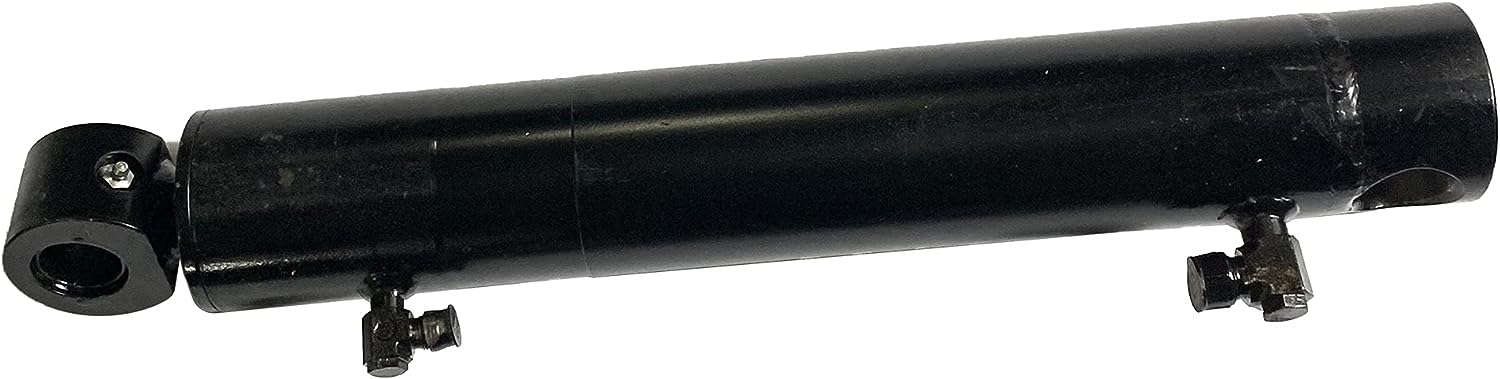
Can tilt cylinders be used in aerial work platforms for platform tilting?
Yes, tilt cylinders can be used in aerial work platforms for platform tilting. These cylinders play a crucial role in enabling safe and controlled tilting of the platform, providing several benefits that enhance the functionality and versatility of aerial work platforms. Here’s a detailed explanation:
- Platform Angle Adjustment: Tilt cylinders allow for precise adjustment of the platform angle in aerial work platforms. Operators can control the tilt angle of the platform, allowing for optimal positioning and alignment during work tasks. Whether it involves reaching specific heights, accessing hard-to-reach areas, or accommodating uneven surfaces, the ability to adjust the platform angle enhances the efficiency and effectiveness of work performed on aerial platforms.
- Stability and Safety: Tilt cylinders contribute to the stability and safety of aerial work platforms during platform tilting. They are designed to provide smooth and controlled movement, minimizing platform vibrations or sudden shifts that could compromise operator safety or stability. The cylinders work in conjunction with other safety features, such as stabilizers or outriggers, to ensure that the platform remains stable and secure during tilting operations.
- Load Distribution: Tilt cylinders assist in proper load distribution on the platform. By adjusting the tilt angle, operators can distribute the weight of equipment, tools, or materials more evenly across the platform. This balanced load distribution helps prevent excessive stress on the platform structure and components, enhancing overall stability and safety during work tasks.
- Operator Comfort and Ergonomics: Tilt cylinders contribute to operator comfort and ergonomics in aerial work platforms. By allowing platform tilting, operators can adjust the platform to a more comfortable working position. This reduces operator fatigue and strain, particularly during prolonged work tasks. The ability to customize the platform angle also improves visibility and accessibility, ensuring that operators can work efficiently and safely.
- Enhanced Functionality: Tilt cylinders add versatility and functionality to aerial work platforms. They enable the platform to adapt to various work scenarios and requirements. Whether it involves working on inclines, around obstacles, or at different elevations, the platform tilting capability provided by tilt cylinders allows for greater adaptability and operational flexibility.
- Integration with Control Systems: Tilt cylinders can be integrated with control systems in aerial work platforms. This integration enables precise and automated control of the platform tilting function. Operators can utilize control panels or joysticks to adjust the platform angle, ensuring accurate positioning and enhanced operational efficiency.
Therefore, tilt cylinders can be effectively utilized in aerial work platforms for platform tilting, offering benefits such as platform angle adjustment, stability and safety, load distribution optimization, operator comfort and ergonomics, enhanced functionality, and integration with control systems. These features contribute to the overall performance and usability of aerial work platforms, enabling operators to work efficiently and safely at elevated heights or challenging work environments.
How does a tilt cylinder handle variations in temperature and environmental conditions?
A tilt cylinder is designed to handle variations in temperature and environmental conditions encountered in different applications. Several features and considerations ensure the cylinder’s performance and durability in challenging operating environments. Here’s a detailed explanation:
- Material Selection: Tilt cylinders are typically constructed using high-quality materials known for their strength, durability, and resistance to environmental factors. Common materials include hardened steel, alloy steel, or other corrosion-resistant materials. The chosen materials offer excellent mechanical properties and can withstand temperature fluctuations, moisture, and exposure to chemicals or abrasive elements.
- Surface Treatments: To further enhance the cylinder’s resistance to environmental conditions, surface treatments such as coatings or platings may be applied. These treatments provide additional protection against corrosion, wear, and damage caused by moisture, chemicals, or abrasive particles. Common surface treatments include chrome plating, zinc coating, or specialized coatings designed for specific environmental challenges.
- Sealing Systems: Tilt cylinders incorporate sealing systems to prevent the ingress of contaminants and maintain the integrity of the hydraulic system. The seals used in tilt cylinders are designed to withstand temperature variations, resist degradation from environmental factors, and provide reliable sealing performance over an extended service life. Proper sealing ensures the cylinder’s efficient operation and minimizes the risk of leakage or premature wear.
- Lubrication: Adequate lubrication is essential for the smooth operation and longevity of tilt cylinders. Lubricants help reduce friction, minimize wear, and protect against corrosion. The choice of lubricant depends on the specific operating conditions and temperature range. In extreme temperature environments, specialized lubricants with high-temperature resistance may be used to ensure optimal cylinder performance.
- Temperature Compensation: Tilt cylinders may incorporate temperature compensation mechanisms to account for variations in operating temperatures. These mechanisms ensure that the cylinder’s performance remains consistent, regardless of temperature fluctuations. Temperature compensation can involve adjustments to the hydraulic system’s pressure or flow rate to maintain the desired force and speed, compensating for temperature-related changes in fluid viscosity.
- Testing and Certification: Tilt cylinders undergo rigorous testing and certification processes to ensure their performance and reliability in various environmental conditions. Manufacturers subject the cylinders to simulated temperature cycles, exposure to contaminants, and other environmental tests to validate their durability and functionality. Compliance with industry standards and certifications ensures that the cylinders can handle the anticipated temperature and environmental challenges.
By employing appropriate material selection, surface treatments, sealing systems, lubrication, temperature compensation mechanisms, and rigorous testing, tilt cylinders are engineered to handle variations in temperature and environmental conditions. These design considerations enable the cylinders to operate reliably and maintain optimal performance in a wide range of applications and operating environments.
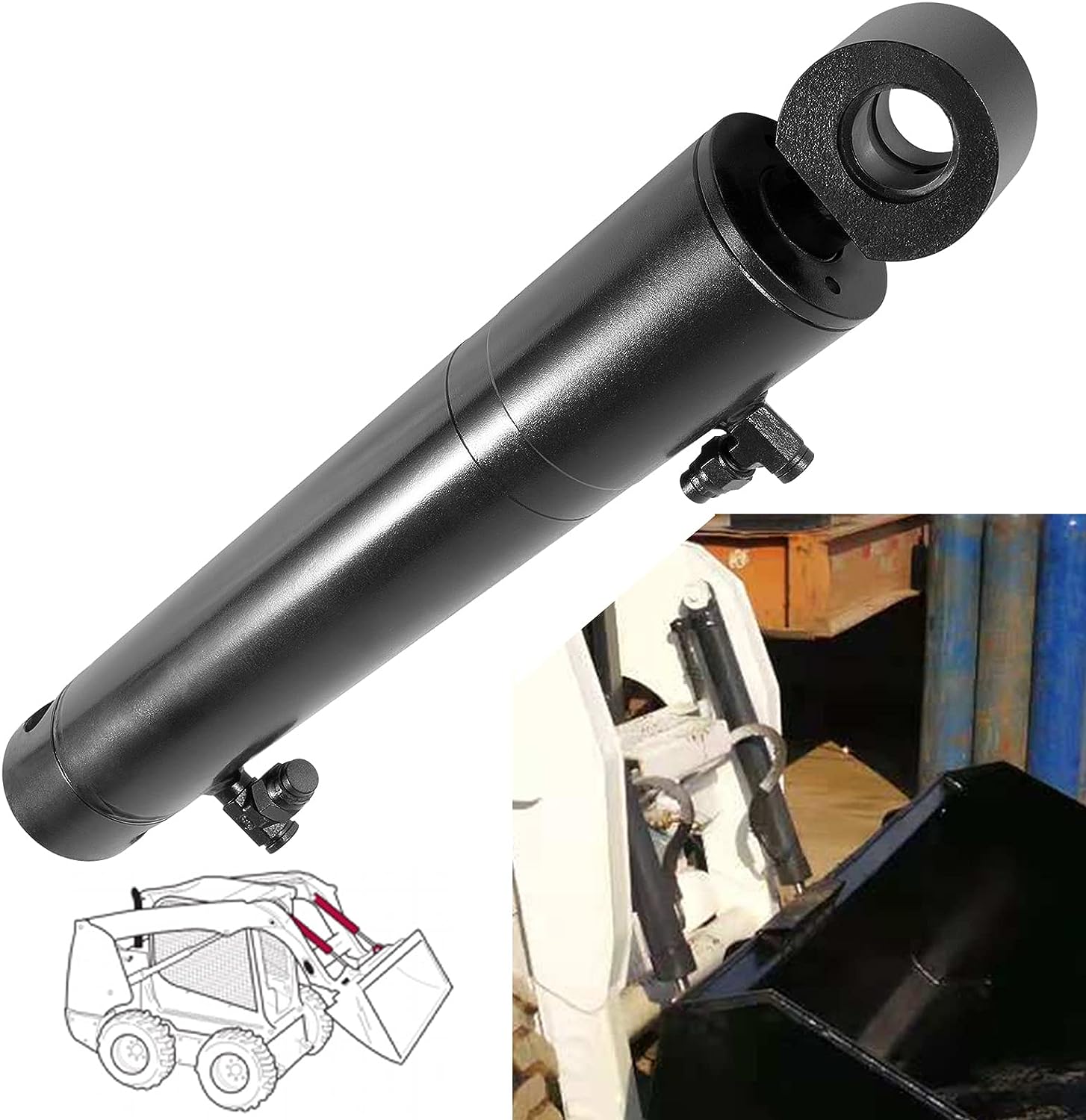
How does a tilt cylinder contribute to precise equipment tilt control?
A tilt cylinder plays a crucial role in achieving precise equipment tilt control. It provides the necessary force and control mechanisms to enable controlled and accurate tilting movements. Here’s a detailed explanation of how a tilt cylinder contributes to precise equipment tilt control:
- Force Generation: A tilt cylinder is a hydraulic component that generates the force required to tilt or angle the equipment. It consists of a cylinder housing, piston, and rod assembly. When hydraulic pressure is applied to the cylinder, the piston moves, exerting force on the attached component. The force generated by the tilt cylinder allows for precise and controlled tilting of the equipment.
- Controlled Fluid Flow: Tilt cylinders utilize hydraulic fluid to transmit force and control the tilting movement. The flow of hydraulic fluid is regulated by control valves, which allow operators to control the speed, extent, and direction of the tilt. By adjusting the control valves, operators can achieve precise control over the fluid flow, enabling accurate and controlled tilting of the equipment.
- Range of Motion: Tilt cylinders provide a specific range of motion, allowing for controlled tilting within that range. The range of motion is determined by the design and construction of the cylinder, as well as the attachment points on the equipment. The defined range enables operators to tilt the equipment to the desired angle with precision, ensuring precise control over the tilt position.
- Feedback Mechanisms: Some tilt cylinders incorporate feedback mechanisms such as limit switches or sensors. These mechanisms provide real-time feedback on the position and angle of the tilted component. By monitoring the feedback, operators can precisely adjust the tilt cylinder to achieve the desired tilt angle. This feedback loop enhances the precision of equipment tilt control.
- Operator Input: Tilt cylinders are typically operated by equipment operators who have control over the hydraulic system. Operators can manipulate the control levers or buttons to adjust the hydraulic pressure and flow, thereby controlling the tilt cylinder’s movement. The operator’s skill and experience in operating the tilt cylinder contribute to achieving precise equipment tilt control.
By combining the force generation capabilities, controlled fluid flow, defined range of motion, feedback mechanisms, and operator input, a tilt cylinder enables precise control over the equipment’s tilt. This precision is essential for applications where accurate tilting is required, such as in construction, mining, agriculture, and material handling. The ability to achieve precise equipment tilt control enhances operational efficiency, productivity, and safety in various industries.


editor by CX 2024-01-15