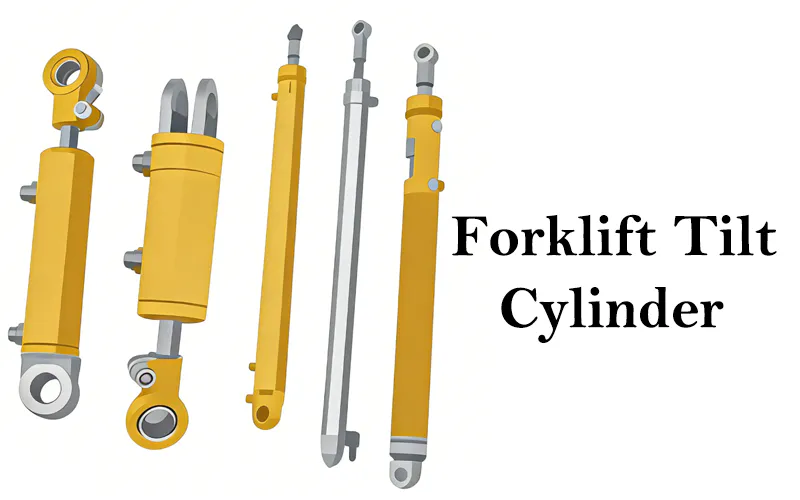
Product Description
Products Description
|
Product Name |
HSG Series Hydraulic Cylinder |
|||
|
Work Press |
7/14/16/21/31.5MPa 37.5/63MPa Can be Customized |
|||
|
Material |
Aluminum,Cast Iron,45mnb Steel,Stainless Steel |
|||
|
Bore Size |
40mm–320mm,Customizable |
|||
|
Shaft Diameter |
20mm–220mm,Customizable |
|||
|
Stroke Length |
30mm–14100mm,Customizable |
|||
|
Rod Surface Hardness |
HRC48-54 |
|||
|
Paint Color |
Black,Yellow,Blue,Brown,Customizable |
|||
|
Mounting |
Earring,Flange,Clevis.Foot,Trunnion,Customizable |
|||
|
Warrenty |
1 Year |
|||
|
MOQ |
1 Piece |
|||
|
Delivery Time |
7-15 Days,Also depands on specific demands |
|||
|
Certification |
ISO9001,CE |
|||
Company Profile
QIANGLIN HYDRAULIC MACHINERY CO., LTD
| QiangLin is a professional hydraulic equipment manufacturer, mainly engaged in hydraulic system design, manufacture, installation, transformation, sales, and technical services. Our manufacturing facilities are certified to the ISO 9001 standard. We are an approved supplier to many equipment manufacturers in China. We are also partners with many customers from America, Canada, Australia, Germany, England, and other European Countries. Product quality, shorter delivery time, and customer satisfaction are our long-term commitments to our CHINAMFG customers. Hope to be your partner. |
FAQ:
Q1: Are you a trading company or a manufacturer?
A: We have our own factory.
Q2: Are you able to make Non-standard or customized products?
A: Yes, we can.
Q3: How long is your delivery time?
A: Normally, the delivery time is 7 days if we have stock, 15-30 working days if we don’t. but it
also depends on the product
requirements and quantity.
Q4: Do you provide samples? are the samples free or not?
A: Yes, we can provide samples, but they are not free of charge.
Q5: What are your payment terms?
A: 30% deposit T/T or Irrevocable L/C at sight, If you have any questions, please feel free to
contact us.
Q6: What are your After-sales services?
A: Before shipment, Each individual product will be strictly inspected on our factory QC Process
System. In addition, We have a
Customer Service team to respond to customers’ questions within 12 hours. Being helpful in
solving customers’ problems is always our goal. /* March 10, 2571 17:59:20 */!function(){function s(e,r){var a,o={};try{e&&e.split(“,”).forEach(function(e,t){e&&(a=e.match(/(.*?):(.*)$/))&&1
| Certification: | CE, ISO9001 |
|---|---|
| Pressure: | High Pressure |
| Work Temperature: | Normal Temperature |
| Customization: |
Available
|
|
|---|
.shipping-cost-tm .tm-status-off{background: none;padding:0;color: #1470cc}
|
Shipping Cost:
Estimated freight per unit. |
about shipping cost and estimated delivery time. |
|---|
| Payment Method: |
|
|---|---|
|
Initial Payment Full Payment |
| Currency: | US$ |
|---|
| Return&refunds: | You can apply for a refund up to 30 days after receipt of the products. |
|---|
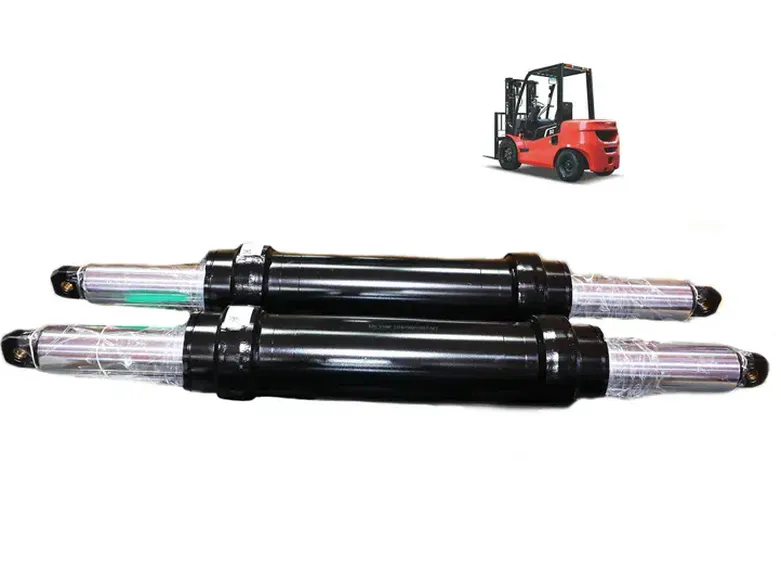
How does a forklift hydraulic cylinder contribute to energy-efficient lifting?
A forklift hydraulic cylinder plays a significant role in facilitating energy-efficient lifting operations. Here’s an explanation of how it contributes to energy efficiency:
1. Power Transfer:
The hydraulic cylinder efficiently transfers power from the hydraulic system to the load-bearing structure of the forklift. By converting hydraulic pressure into linear force, it allows the forklift to lift heavy loads with minimal energy expenditure.
2. Load Balancing:
Hydraulic cylinders can be designed to provide load balancing capabilities, ensuring that the lifting force is evenly distributed across multiple cylinders. This feature allows for stable and efficient lifting, as each cylinder shares the load, reducing the strain on individual components and optimizing energy usage.
3. Controlled Fluid Flow:
The hydraulic system of a forklift, including the hydraulic cylinder, operates based on precise control of fluid flow. By regulating the flow rate and direction of the hydraulic fluid, the operator can control the speed and force of the cylinder’s extension and retraction. This level of control minimizes energy waste by avoiding sudden or excessive movements.
4. Regenerative Systems:
In some advanced forklift designs, regenerative systems can be incorporated into the hydraulic circuit. These systems capture and reuse energy that would otherwise be dissipated as heat during the lowering of loads. The regenerated energy can be stored and used to power other components of the forklift, contributing to overall energy efficiency.
5. Proper Maintenance:
Maintaining the hydraulic cylinder in good working condition is crucial for energy-efficient lifting. Regular inspection, cleaning, and lubrication of the cylinder and its seals help reduce friction and prevent fluid leakage. Well-maintained cylinders operate with improved efficiency and minimize energy losses.
By employing these energy-saving techniques, a forklift hydraulic cylinder enhances the overall energy efficiency of the lifting process. It enables controlled power transfer, load balancing, regulated fluid flow, and, in some cases, the utilization of regenerative systems. Proper maintenance further ensures optimal performance and energy conservation.
In summary, a forklift hydraulic cylinder contributes to energy-efficient lifting by efficiently transferring power, providing load balancing capabilities, enabling controlled fluid flow, and potentially incorporating regenerative systems. Its proper maintenance enhances energy conservation and overall lifting efficiency.
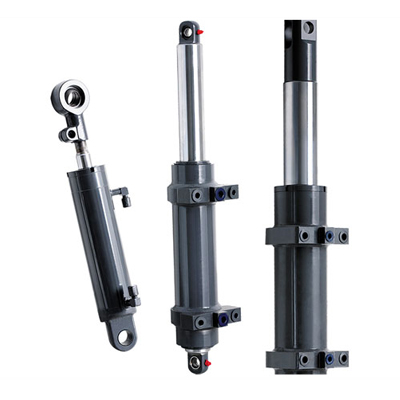
Can hydraulic cylinders be used in multi-directional forklifts?
Yes, hydraulic cylinders can be used in multi-directional forklifts. Multi-directional forklifts, also known as multidirectional reach trucks or side loaders, are specialized forklifts designed to maneuver and transport loads in multiple directions, including sideways. Hydraulic cylinders play a crucial role in the operation of these unique forklifts. Here’s an explanation of how hydraulic cylinders are used in multi-directional forklifts:
Hydraulic cylinders are utilized in multi-directional forklifts in the following ways:
1. Mast Movement:
Similar to conventional forklifts, hydraulic cylinders are used to control the vertical movement of the mast in multi-directional forklifts. The mast can be raised or lowered using hydraulic power, allowing the forklift to reach different heights for loading and unloading operations.
2. Fork Movement:
In addition to vertical movement, hydraulic cylinders are responsible for controlling the horizontal movement of the forks in multi-directional forklifts. These cylinders enable the forks to extend or retract, allowing for the adjustment of the fork width to accommodate various load sizes.
3. Side Shifting:
Hydraulic cylinders are used for side shifting functions in multi-directional forklifts. Side shifting allows the entire mast and forks assembly to move laterally, enabling the forklift to position the load precisely without having to reposition the entire vehicle. This feature is particularly useful in narrow aisles or tight spaces.
4. Rotational Movement:
Multi-directional forklifts are designed to rotate the entire mast and load-carrying assembly to allow for sideways movement. Hydraulic cylinders are employed to enable the rotational movement of the mast, allowing the forklift to transport loads in different directions, including perpendicular to the traditional forward and reverse movements.
5. Control and Stability:
Hydraulic cylinders provide the necessary control and stability for multi-directional forklifts. The operator can use hydraulic controls to adjust the movement of the mast, forks, and side-shift functions. The hydraulic system ensures smooth and precise operation, enhancing the forklift’s maneuverability and load-handling capabilities.
In summary, hydraulic cylinders are essential components of multi-directional forklifts, enabling mast and fork movement, side shifting, rotational movement, and providing control and stability. These cylinders allow the forklifts to maneuver efficiently in various directions, making them well-suited for applications that require versatile movement and precise load positioning.
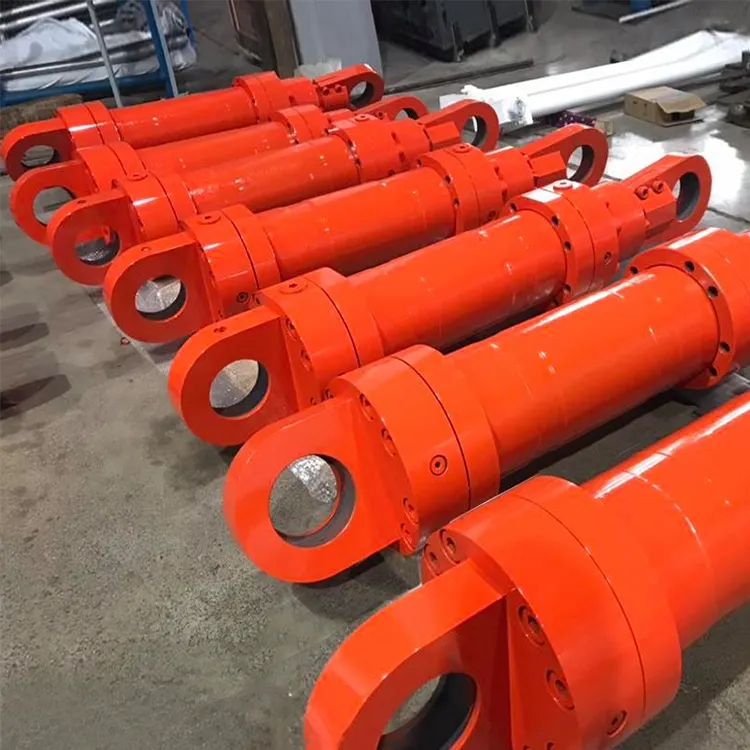
What are the Safety Considerations When Using Forklifts with Hydraulic Cylinders?
When using forklifts with hydraulic cylinders, it is essential to prioritize safety to prevent accidents, injuries, and property damage. Hydraulic systems and cylinders are integral components of forklifts, and understanding and implementing safety considerations is crucial. Here are important safety considerations to keep in mind:
- Operator Training and Certification:
- Regular Inspections and Maintenance:
- Load Capacity and Stability:
- Proper Load Positioning and Handling:
- Avoiding Overextension and Collisions:
- Proper Use of Controls:
- Clear Communication and Awareness:
- Emergency Procedures:
Operators must receive thorough training and certification specific to forklift operations. Proper training should cover the safe operation of hydraulic systems and cylinders, including understanding the controls, load capacity, stability, and safe maneuvering techniques. Well-trained operators are more likely to handle hydraulic cylinders safely and minimize the risk of accidents or misuse.
Forklifts and their hydraulic systems, including cylinders, should undergo regular inspections and maintenance to ensure they are in proper working condition. Inspections should identify any signs of wear, leaks, or damage, and maintenance tasks such as lubrication and component replacements should be performed as recommended by the manufacturer. Well-maintained hydraulic cylinders contribute to safe and reliable forklift operations.
Understanding and adhering to the forklift’s load capacity limitations is crucial for safe operation. Overloading a forklift can lead to instability and potential tip-overs. Operators should be aware of the load capacity rating and ensure that loads are properly balanced and secured. Maintaining the forklift’s stability, especially when using the hydraulic cylinder to lift or lower loads, is essential to prevent accidents caused by tipping or loss of control.
Safe load positioning and handling contribute to overall forklift safety. Operators should ensure that loads are positioned correctly on the forks, centered and secure, to prevent them from shifting or falling during transport. When using the hydraulic cylinder to raise or lower loads, operators should do so gradually and avoid sudden movements that may destabilize the forklift or cause the load to swing uncontrollably.
Overextending the hydraulic cylinder beyond its recommended limits can lead to failure or instability. Operators should be aware of the maximum extension and retraction limits of the cylinder and avoid exceeding them. Additionally, operators must exercise caution to prevent collisions with objects or structures, as impacts can damage the hydraulic cylinder, compromise its integrity, and pose safety risks.
Operators should be familiar with the forklift’s hydraulic control system and use the controls properly. This includes understanding the functions of each control, such as raising, lowering, tilting, or extending the forks, and using them with precision and care. Mishandling the hydraulic controls can result in sudden movements or unintended actions, potentially causing accidents or injuries.
Clear communication and situational awareness are essential for safe forklift operations. Operators should maintain clear visibility, use mirrors or cameras if available, and be aware of their surroundings to avoid collisions with pedestrians, other vehicles, or obstacles. Effective communication with co-workers and signaling to indicate forklift movements can help prevent accidents and ensure a safe working environment.
Operators should be familiar with emergency procedures and know how to respond in case of malfunctions, leaks, or other emergencies involving the hydraulic cylinder. Proper training should cover emergency shutdown procedures, reporting protocols, and evacuation plans to ensure a timely and coordinated response that minimizes risks to personnel and property.
By prioritizing operator training, regular inspections, adherence to load capacity limits, proper load handling, cautious control usage, and clear communication, forklifts with hydraulic cylinders can be operated safely and efficiently. Implementing these safety considerations helps reduce the risk of accidents, protect personnel, and maintain a secure work environment.


editor by CX 2024-01-17