Product Description
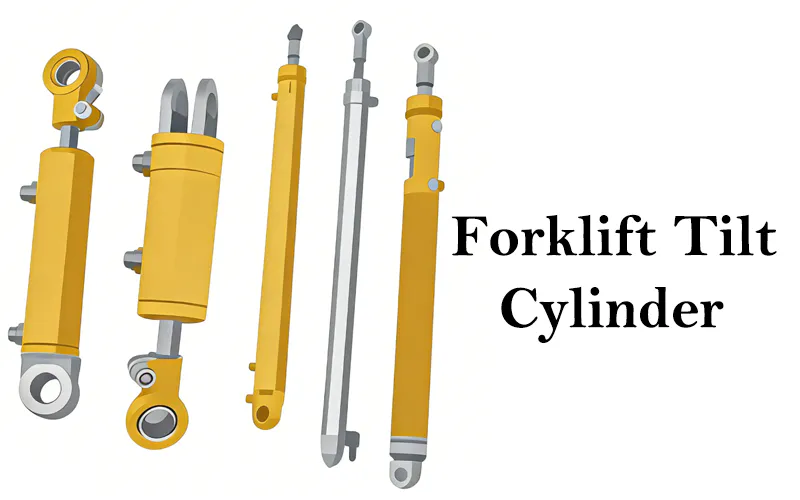
This hydraulic cylinder is specially designed for land leveller.
This cylinder has the characteristics of reasonable structure and reliable work. Besides, it is easy to assemble and unassembled as well as easy to maintain, and it can be specially designed according to user’s requirements.
| Model | Bore Diameter (mm) |
Rod Diameter (mm) |
Stroke (mm) |
Nominal Pressure (bar) |
| HSG90/50-1500*2280-WX | 90 | 50 | 1500 | 200 |
/* March 10, 2571 17:59:20 */!function(){function s(e,r){var a,o={};try{e&&e.split(“,”).forEach(function(e,t){e&&(a=e.match(/(.*?):(.*)$/))&&1
| Type: | Shovel Cylinder |
|---|---|
| Application: | Trucks, Forklift, Crane, Loader, Road Machinery |
| Body Material: | Carbon Steel |
| Power: | Hydraulic |
| Bore Diameter: | 90 mm |
| Rod Diameter: | 50 mm |
| Customization: |
Available
|
|
|---|
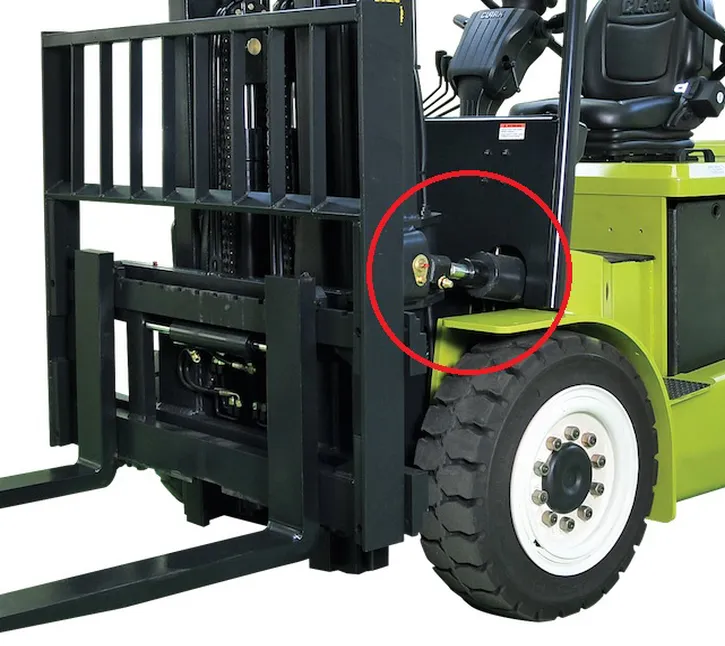
How does a forklift hydraulic cylinder contribute to quick load release?
A forklift hydraulic cylinder plays a crucial role in facilitating quick load release during material handling operations. Here’s an explanation of how it achieves this:
The hydraulic cylinder’s contribution to quick load release is primarily attributed to its design and the following factors:
1. Cylinder Actuation:
The hydraulic cylinder is actuated by the controlled release of hydraulic fluid. When the operator activates the appropriate controls, the hydraulic system allows the fluid to flow back into the reservoir, causing the cylinder to retract rapidly. This rapid retraction enables quick release of the load, expediting the unloading process.
2. Flow Control Valves:
The forklift’s hydraulic system incorporates flow control valves that regulate the rate of fluid flow to and from the hydraulic cylinder. During load release, these valves can be adjusted to increase the flow rate, allowing the hydraulic fluid to return to the reservoir more quickly. By controlling the flow, the cylinder can retract rapidly, facilitating quick load release.
3. Load Lowering Speed:
Hydraulic cylinders also contribute to quick load release through their load lowering functionality. When the operator desires to lower the load rapidly, the hydraulic system can be adjusted to increase the flow rate of the hydraulic fluid, which allows for faster descent of the load. This controlled acceleration of load lowering speed helps expedite the unloading process.
4. Responsive Control System:
The forklift’s hydraulic control system, including the controls for the hydraulic cylinder, is designed to be responsive and easy to operate. The operator can quickly activate the load release functions, initiating the rapid retraction of the cylinder and the subsequent quick release of the load. The intuitive control system ensures efficient and timely load release.
5. Safety Measures:
While facilitating quick load release, forklift hydraulic cylinders also incorporate safety measures to prevent uncontrolled or accidental release of the load. These safety features, such as pressure relief valves and load holding valves, ensure that the load release process remains safe and controlled, minimizing the risk of accidents or damage.
In summary, a forklift hydraulic cylinder contributes to quick load release through its actuation mechanism, flow control valves, load lowering functionality, responsive control system, and integrated safety measures. By utilizing these features, the cylinder enables rapid retraction and controlled release of the load, enhancing the efficiency of material handling operations.
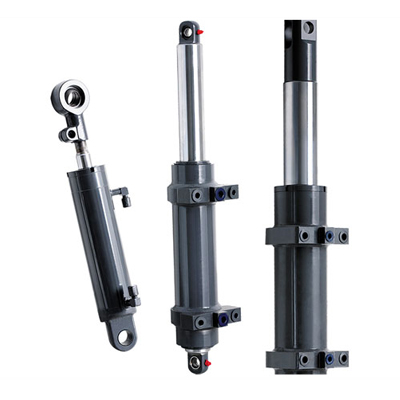
Can hydraulic cylinders be used in multi-directional forklifts?
Yes, hydraulic cylinders can be used in multi-directional forklifts. Multi-directional forklifts, also known as multidirectional reach trucks or side loaders, are specialized forklifts designed to maneuver and transport loads in multiple directions, including sideways. Hydraulic cylinders play a crucial role in the operation of these unique forklifts. Here’s an explanation of how hydraulic cylinders are used in multi-directional forklifts:
Hydraulic cylinders are utilized in multi-directional forklifts in the following ways:
1. Mast Movement:
Similar to conventional forklifts, hydraulic cylinders are used to control the vertical movement of the mast in multi-directional forklifts. The mast can be raised or lowered using hydraulic power, allowing the forklift to reach different heights for loading and unloading operations.
2. Fork Movement:
In addition to vertical movement, hydraulic cylinders are responsible for controlling the horizontal movement of the forks in multi-directional forklifts. These cylinders enable the forks to extend or retract, allowing for the adjustment of the fork width to accommodate various load sizes.
3. Side Shifting:
Hydraulic cylinders are used for side shifting functions in multi-directional forklifts. Side shifting allows the entire mast and forks assembly to move laterally, enabling the forklift to position the load precisely without having to reposition the entire vehicle. This feature is particularly useful in narrow aisles or tight spaces.
4. Rotational Movement:
Multi-directional forklifts are designed to rotate the entire mast and load-carrying assembly to allow for sideways movement. Hydraulic cylinders are employed to enable the rotational movement of the mast, allowing the forklift to transport loads in different directions, including perpendicular to the traditional forward and reverse movements.
5. Control and Stability:
Hydraulic cylinders provide the necessary control and stability for multi-directional forklifts. The operator can use hydraulic controls to adjust the movement of the mast, forks, and side-shift functions. The hydraulic system ensures smooth and precise operation, enhancing the forklift’s maneuverability and load-handling capabilities.
In summary, hydraulic cylinders are essential components of multi-directional forklifts, enabling mast and fork movement, side shifting, rotational movement, and providing control and stability. These cylinders allow the forklifts to maneuver efficiently in various directions, making them well-suited for applications that require versatile movement and precise load positioning.
How does a forklift hydraulic cylinder assist in lifting loads?
A forklift hydraulic cylinder plays a critical role in assisting the lifting of loads. Here’s a detailed explanation of how it works:
When a forklift needs to lift a load, the hydraulic cylinder generates the necessary force to raise the load to the desired height. Here’s a step-by-step process of how the hydraulic cylinder assists in lifting loads:
1. Hydraulic Pressure:
When the operator activates the hydraulic controls of the forklift, hydraulic pressure is generated in the hydraulic system. This pressure is typically created by a hydraulic pump, which pressurizes the hydraulic fluid (usually oil) in the system.
2. Hydraulic Fluid Flow:
The pressurized hydraulic fluid is directed to the hydraulic cylinder through control valves and hoses. The fluid enters the cylinder through the inlet port, filling one side of the cylinder.
3. Piston and Piston Rod Extension:
As the pressurized hydraulic fluid enters the cylinder, it acts on one side of the piston. The force exerted by the fluid pushes the piston and the connected piston rod upward.
4. Load Lifting:
As the piston rod extends, it transfers the force to the load-bearing structure of the forklift, such as the mast assembly. The force exerted by the hydraulic cylinder enables the forklift to lift the load off the ground.
5. Load Stability:
The hydraulic cylinder assists in maintaining load stability during the lifting process. The controlled extension of the cylinder allows for smooth and precise lifting, reducing the chances of load tilting or instability.
6. Load Holding:
Once the load reaches the desired height, the hydraulic system can hold the load in place using a valve or a locking mechanism. This ensures that the load remains securely lifted until the operator decides to lower it.
The hydraulic cylinder’s ability to generate a significant amount of force allows forklifts to lift heavy loads efficiently. By controlling the flow of hydraulic fluid and adjusting the cylinder’s extension, the operator can precisely control the lifting speed and height.
In summary, a forklift hydraulic cylinder assists in lifting loads by utilizing hydraulic pressure to extend the piston and piston rod, transferring force to the load-bearing structure of the forklift. This hydraulic force enables the forklift to lift heavy loads, and the controlled extension of the cylinder ensures load stability and precise lifting capabilities.


editor by CX 2024-02-11