Product Description
Specifications:
| Product Name | HSG Series Hydraulic Cylinder |
| Work Press | 7/14/16/21/31.5MPa 37.5/63MPa Can be Customized |
| Material | Aluminum, Cast Iron,45mnb Steel, Stainless Steel |
| Bore Size | 40mm–320mm, Customizable |
| Shaft Diameter | 20mm–220mm, Customizable |
| Stroke Length | 30mm–14100mm, Customizable |
| Rod Surface Hardness | HRC48-54 |
| Operating Temperature | -40°C to +120 °C |
| Paint Color | Black, Yellow, Blue, Brown, Customizable |
| Service | OEM&ODM |
| Warranty | 1 Year |
| MOQ | 1 Piece |
| Delivery Time | 7-15 Days, Also depending on specific demands |
| Certification | ISO9001,CE |
| Capacity | 50,000Pcs per year |
Product Display:
Mounting:
Working Flow: About Us
Tongte designs and manufactures durable, heavy-duty hydraulic products and accessories and offers lifecycle services to them. We constantly develop our machine base and operations to meet customer-specific needs and remain leaders in the industry. Beyond all else, we want to be the trusted, groundbreaking partner our customers truly need.
In addition to the customized cylinders, CHINAMFG offers hydraulic power units, Electric-Hydraulic linear actuators, piston accumulators, system configurations, and versatile services such as repair and manufacturing services. The modern production facilities are located in HangZhou, ZheJiang (China) where production started in 2001. The core values of Tongke guiding its business strongly are commitment, sustainability, interaction, and customer-first.
We possess over 20 years of experience in the industry and extensive global market experience, our customers are located all over the world, and we truly commit to the customers’ needs – these are the success factors of our family-owned company. Our vision is to grow and expand the business further into global markets.
FAQ:
Q1: What does your company do?
A: we are a supplier of high-quality hydraulic products including Hydraulic Cylinders, Hydraulic Power packs, Hydraulic Linear, and other Hydraulic components.
Q2:Are you a manufacturer or trading company?
A: We are a manufacturer.
Q3:Are you able to make Non-standard or customized products?
A: Yes, we can.
Q3: How long is your delivery time?
A: Normally, the delivery time is 7 days if we have stock, and 15-30 working days if we don’t. but it
also depends on the product
requirements and quantity.
Q4: Do you provide samples? are the samples free or not?
A: Yes, we can provide samples, but they are not free of charge.
Q5: What are your payment terms?
A: 30% deposit T/T or Irrevocable L/C at sight, If you have any questions, please feel free to
contact us.
Q6: What is your warranty policy?
A: All our products are warranted for 1 full year from the date of delivery against defects in materials and workmanship. Each individual product will be strictly inspected on our factory QC Process
System before shipment. We also have a Customer Service team to respond to customers’ questions within 12 hours. /* March 10, 2571 17:59:20 */!function(){function s(e,r){var a,o={};try{e&&e.split(“,”).forEach(function(e,t){e&&(a=e.match(/(.*?):(.*)$/))&&1
| Certification: | ISO9001 |
|---|---|
| Pressure: | High Pressure |
| Work Temperature: | Normal Temperature |
| Acting Way: | Double Acting |
| Working Method: | Straight Trip |
| Adjusted Form: | Regulated Type |
| Customization: |
Available
| |
|---|
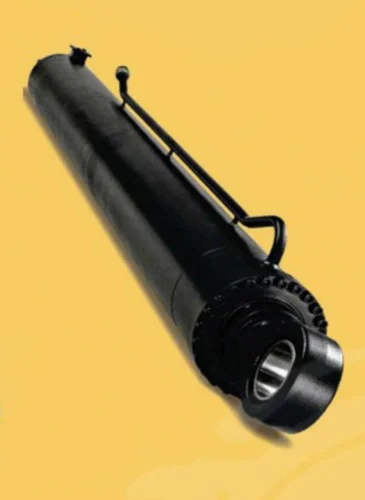
Can tilt cylinders be used in mining equipment for material transport?
Yes, tilt cylinders, such as the forklift tilt cylinder, can be used in mining equipment for material transport. These cylinders are essential for improving the functionality and efficiency of mining machinery involved in moving materials within mining operations. Here’s a detailed explanation:
Bed Tilt Adjustment: Tilt cylinders enable precise control over the tilt angle of the loading or hauling bed in mining equipment like dump trucks, articulated trucks, and underground mining vehicles. By adjusting the tilt, operators can optimize the loading, dumping, and spreading of materials, enhancing the efficiency of material transport.
Load Unloading: Tilt cylinders facilitate the efficient discharge of materials from mining equipment. By tilting the bed or container, operators can unload materials at designated locations, such as stockpiles or processing areas. The precise control offered by tilt cylinders ensures accurate material discharge, minimizing spillage and boosting productivity.
Stability and Weight Distribution: Tilt cylinders assist in managing the center of gravity of mining equipment during material transport. By adjusting the tilt angle, operators can optimize weight distribution, ensuring stability on uneven or challenging terrains. This enhances safety and control during operations.
Material Flow Regulation: Tilt cylinders allow operators to regulate the flow of materials within mining equipment. By adjusting the tilt angle, they can control the rate at which materials are loaded, dumped, or spread. This precise control minimizes material loss and optimizes equipment utilization.
Hydraulic System Integration: Tilt cylinders, including the forklift tilt cylinder, are integrated with the hydraulic systems of mining equipment. Hydraulic power actuates the cylinders, providing the force and precision needed for tilt adjustments. This enables responsive and accurate material positioning, improving operational efficiency.
Durable Design: Tilt cylinders used in mining equipment are built to withstand harsh mining environments. They are engineered to handle heavy loads, extreme temperatures, dust, and debris. Their robust construction ensures durability, reliability, and a long service life, even in demanding mining applications.
In conclusion, tilt cylinders, such as the forklift tilt cylinder, are highly effective in mining equipment for material transport. From bed tilt adjustment and load unloading to stability management, material flow regulation, hydraulic system integration, and durable design, these cylinders enhance the efficiency, safety, and productivity of material transport in mining operations.
How does a tilt cylinder handle variations in cylinder size and capacity?
A tilt cylinder is designed to handle variations in cylinder size and capacity effectively. It is a versatile component that can accommodate different specifications to meet the specific requirements of various applications. Here’s a detailed explanation:
- Size Flexibility: Tilt cylinders are available in a range of sizes to accommodate different equipment configurations and operating conditions. Manufacturers offer cylinders with varying bore sizes, rod diameters, and stroke lengths. The size flexibility allows for proper integration with diverse machinery and ensures optimal performance based on the specific load and force requirements.
- Force Capacity: Tilt cylinders are designed to handle different force capacities. The force capacity of a cylinder depends on factors such as the hydraulic pressure, cylinder size, and piston area. Manufacturers provide tilt cylinders with varying force ratings, allowing operators to choose the appropriate cylinder based on the equipment’s load and the desired tilt angle adjustment force.
- Load-Bearing Capability: Tilt cylinders are engineered to handle the loads encountered in various applications. They are designed to withstand the forces exerted during equipment operation and maintain structural integrity. The load-bearing capability of a tilt cylinder is determined by factors such as the materials used, cylinder size, and design features. By selecting the appropriate cylinder size and capacity, operators can ensure that the tilt cylinder can handle the specific loads encountered in their application.
- Customization Options: Manufacturers offer customization options for tilt cylinders to cater to specific requirements. This customization includes the ability to adapt the cylinder’s size, capacity, and other parameters to meet the needs of the equipment and application. By collaborating with manufacturers, operators can obtain tilt cylinders that are tailored to their unique specifications, ensuring optimal performance and compatibility.
- Interchangeability: Tilt cylinders are designed to be interchangeable in many cases. Manufacturers often follow industry standards or provide compatible mounting options, allowing operators to replace or upgrade cylinders without significant modifications. This interchangeability simplifies maintenance and replacement processes, enabling operators to adapt the cylinder size and capacity as needed.
Therefore, a tilt cylinder handles variations in cylinder size and capacity through size flexibility, offering different force capacities, providing adequate load-bearing capability, offering customization options, and ensuring interchangeability. These features enable operators to select and install tilt cylinders that are suitable for their specific equipment and application requirements, enhancing the overall functionality and performance of the machinery.
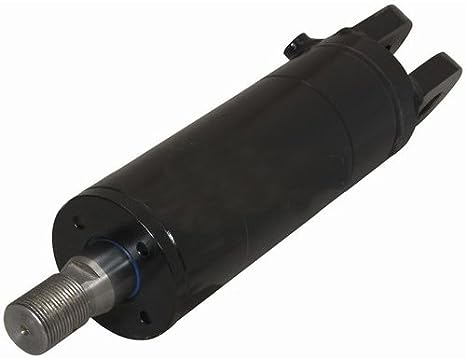
How does a tilt cylinder contribute to efficient and controlled tilting?
A tilt cylinder plays a crucial role in ensuring efficient and controlled tilting of heavy equipment. It incorporates several features and mechanisms that contribute to this functionality. Here’s a detailed explanation:
- Hydraulic Power: Tilt cylinders are typically powered by hydraulic systems, which provide the necessary force for tilting. Hydraulic power allows for smooth and controlled movement, enabling operators to precisely adjust the tilt angle of the equipment.
- Adjustable Force and Speed: Tilt cylinders offer adjustable force and speed, allowing operators to customize the tilting action based on the specific task or load requirements. By adjusting the hydraulic pressure or flow rate, operators can control the force exerted by the cylinder and the speed at which the tilting movement occurs. This flexibility ensures efficient and controlled tilting, regardless of the load or terrain conditions.
- Position Feedback: Many tilt cylinders incorporate position feedback mechanisms, such as position sensors or encoders, which provide real-time information about the cylinder’s tilt angle. This feedback enables precise positioning and control of the equipment, allowing operators to achieve the desired tilt angle accurately. It also ensures consistent and repeatable tilting performance, enhancing efficiency and productivity.
- Integrated Valves and Controls: Tilt cylinders often feature integrated valves and controls that enable operators to manipulate the tilting action conveniently. These valves regulate the flow of hydraulic fluid to the cylinder, allowing operators to control the direction and speed of the tilt. Integrated controls, such as joysticks or switches, provide intuitive operation and facilitate precise tilting adjustments.
- Stability and Load Management: Tilt cylinders are designed to maintain stability and manage loads during tilting operations. They are engineered to withstand the forces and stresses associated with heavy loads and dynamic movements. This ensures controlled tilting and minimizes the risk of instability or tipping, contributing to safe and efficient operation.
- Sealing and Lubrication: Tilt cylinders incorporate seals and lubrication systems to minimize friction and ensure smooth operation. Seals prevent leakage and contamination, maintaining the integrity of the hydraulic system. Proper lubrication of the cylinder’s moving parts reduces wear and tear, enabling efficient and controlled tilting over an extended period.
By leveraging hydraulic power, offering adjustable force and speed, providing position feedback, integrating valves and controls, ensuring stability and load management, and incorporating sealing and lubrication systems, tilt cylinders contribute to efficient and controlled tilting of heavy equipment. These features empower operators to perform tasks with precision, optimize productivity, and maintain safe working conditions.
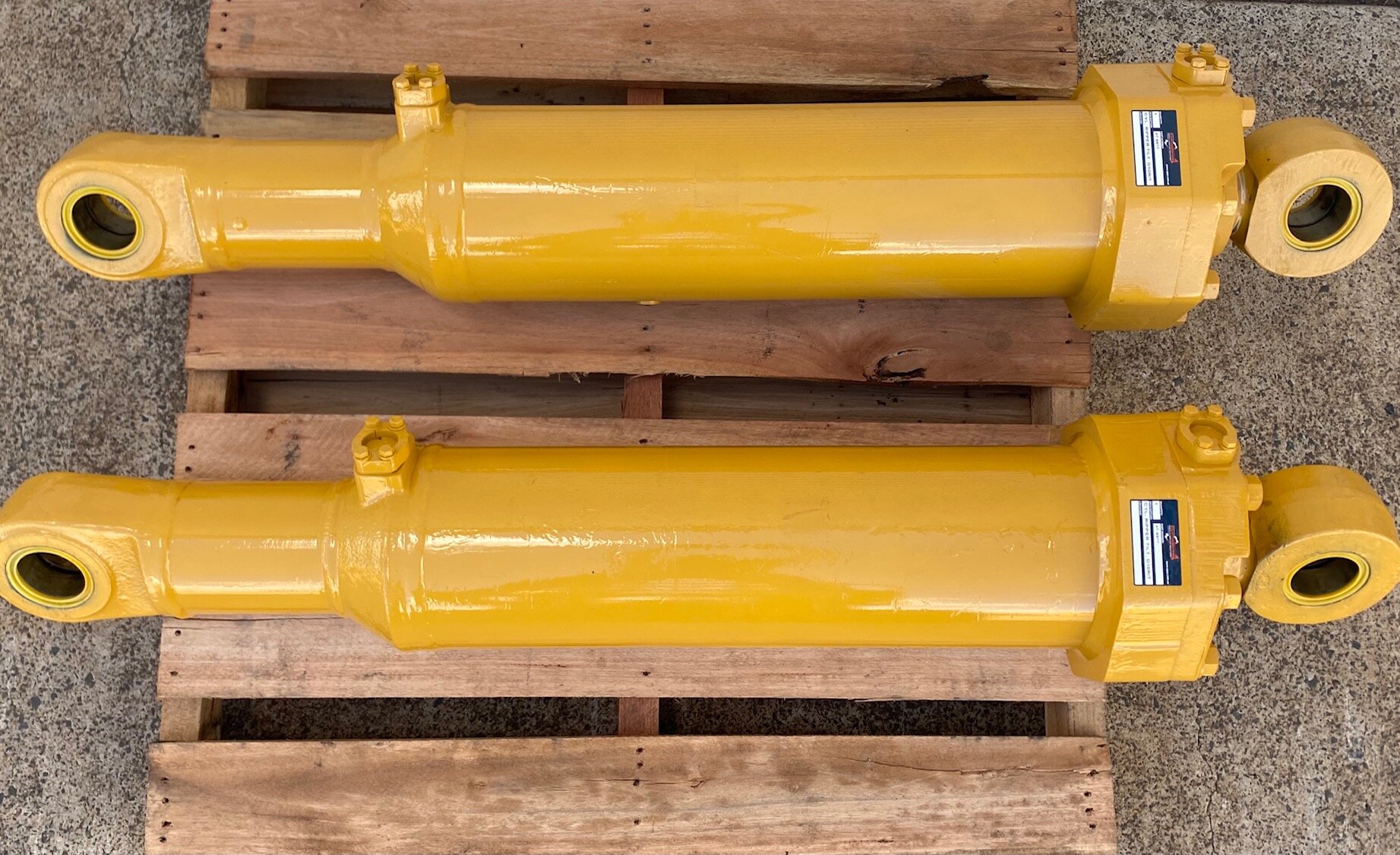
How does a tilt cylinder differ from other types of hydraulic cylinders?
A tilt cylinder has specific characteristics and functionalities that differentiate it from other types of hydraulic cylinders. While hydraulic cylinders serve various purposes in different applications, here are the key ways in which a tilt cylinder differs:
- Tilting Functionality: The primary distinction of a tilt cylinder is its ability to provide controlled tilting or angling of components. Unlike other hydraulic cylinders that primarily focus on linear motion, a tilt cylinder is specifically designed to enable angular movement. It allows for the adjustment of the working angle of attachments, such as buckets or blades, in heavy machinery.
- Mounting Orientation: Tilt cylinders are typically mounted in a horizontal or near-horizontal orientation, allowing for effective tilting movement. In contrast, other hydraulic cylinders may be mounted vertically, horizontally, or at various angles depending on their specific application requirements.
- Range of Motion: While other hydraulic cylinders may have a limited range of motion, typically in the form of extending or retracting the piston rod, a tilt cylinder offers a broader range of motion. It allows for continuous and controlled tilting action within a specific angular range, providing flexibility and adaptability in heavy machinery operations.
- Control Mechanisms: Tilt cylinders often require specialized control mechanisms to regulate the tilting movement accurately. Hydraulic systems controlling tilt cylinders incorporate valves, pressure regulators, and other components specifically designed for precise control of the angular motion. In contrast, other hydraulic cylinders may utilize different control mechanisms tailored to their particular linear motion requirements.
- Application-Specific Design: Tilt cylinders are engineered to meet the specific demands of heavy machinery applications that involve tilting or angling of components. They are designed to withstand high loads, provide precise control, and ensure reliable performance in challenging work environments. Other types of hydraulic cylinders, such as single-acting, double-acting, telescopic, or differential cylinders, are designed for different purposes and may have distinct structural and functional features.
While tilt cylinders share the fundamental principles of hydraulic cylinders, their specialization in tilting functionality sets them apart from other types of hydraulic cylinders. The unique design, mounting orientation, range of motion, control mechanisms, and application-specific characteristics make tilt cylinders suitable for tasks that require controlled angular movement in heavy machinery applications.
In conclusion, a tilt cylinder differs from other types of hydraulic cylinders through its dedicated focus on providing controlled tilting functionality, specialized design, and specific mounting orientation. These distinctions enable tilt cylinders to fulfill the unique requirements of heavy machinery applications involving angular adjustments and enhance the versatility and performance of the equipment.


editor by CX 2024-02-08