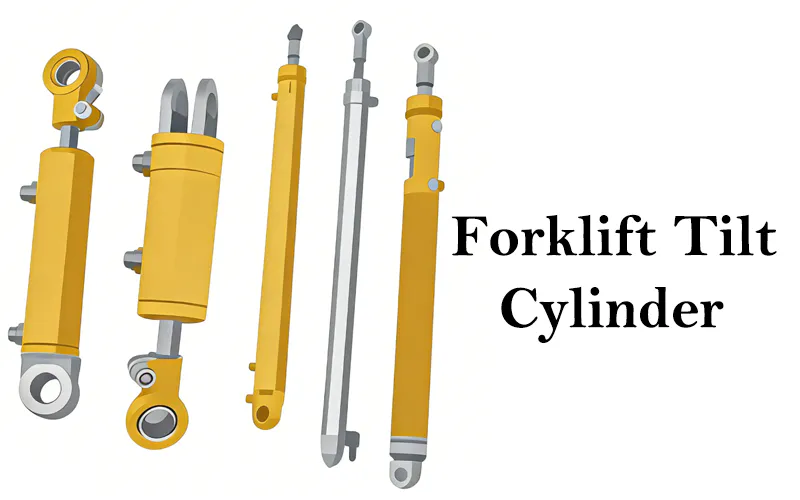
Product Description
hydraulic cylinder tipping gear system for dump truck manufacturer
The hydraulc self-charging system for dump truck includes telescopic hydraulic cylinder,supporting bracket, hydraulic hose, gear pump, limit valve and other fittings. It has simple structure, high strength and safe operation with competitive price and excellent quality.
Product details:
Packing and shipping:
FC series is a front-end mounted telescopic cylinder, with top eye mounting and bottom double pin mounting. It is specially designed for those vehicles with a front sloping tipping body.
Suitable to fulfill all tipping requirements for any market, including heavy duty applications, even at the close-to-the-limit climate conditions, offering the most practical and robust front-end tipping cylinder that has ever been made.
Flexible choice load capacity: Minimum 24ton, Maximum 280ton;
Installment Introduction
1.The specifications for all the install screw and self- locking is M16(DIN931.Q8.8)
2.The specifications for grommet is M1730MM.
3.The biggest gap between support and cylinder is 2mm.
4.Make sure the hydraulic cylinder vertically ,up and down 2 parallel shafts when installed.
5.The installation should be greater than the center
distance between the closed hydraulic cylinder
center distance 20mm-30mm.
Six advantages for hydraulic
More secure
Faster unloding speed.
The lifting frequency higher
A stronger ability to adapt to the environment
Lighter
Lift more
Hot Sale 4 Stage Hydraulic Telescopic Ram Cylinder For Piston Scissor Lift
| Type | Telescopic Hydraulic Cylinder |
| Seal Kits | Hallite |
| Material of Cylinder | 27SiMn |
| Coating | All tubes are chrome plated |
| Bore Dia | 240/221/214/196/172/150/137 |
| Stroke | 3830mm-9030mm |
| Max Pressure | 3190PSI |
| Color | Black or According to your needs |
| Mounting Type | Pin eye-Truunion, Cross tube-Pin eye etc |
| Certification | ISO9001 ,TS16949,SGS |
| Package | Iron pallet or wooden pallet |
| Warranty | One year after shipping arrival |
| Main export market | South America, North America |
| Payment terms | T/T, L/C |
| Delivery time | 35 to 45 days after receiving of your deposit |
| Certification: | GS, RoHS, CE, ISO9001 |
|---|---|
| Pressure: | High Pressure |
| Work Temperature: | High Temperature |
| Acting Way: | Double Acting |
| Working Method: | Straight Trip |
| Structure: | Piston Type |
| Samples: |
US$ 200/Piece
1 Piece(Min.Order) | |
|---|
| Customization: |
Available
|
|
|---|
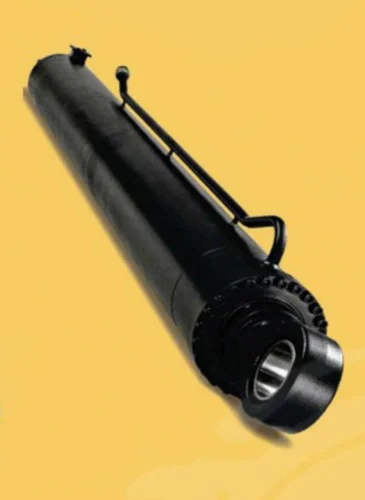
Can tilt cylinders be used in mining equipment for material transport?
Yes, tilt cylinders can be used in mining equipment for material transport. These cylinders play a crucial role in enhancing the functionality and efficiency of mining machinery involved in the movement of materials within mining operations. Here’s a detailed explanation:
- Bed Tilt Control: Tilt cylinders enable control over the tilt angle of the loading or hauling bed in mining equipment such as dump trucks, articulated trucks, and underground mining vehicles. By adjusting the tilt angle, operators can optimize the loading, dumping, and spreading of materials, improving the efficiency of material transport.
- Load Discharge: Tilt cylinders facilitate the discharge of materials from mining equipment. By tilting the bed or container, operators can unload the materials at the desired location, such as stockpiles or processing areas. The precise control provided by tilt cylinders ensures accurate and efficient material discharge, reducing the risk of spillage and improving overall productivity.
- Center of Gravity Management: Tilt cylinders help in managing the center of gravity of mining equipment during material transport. By adjusting the tilt angle, operators can optimize the distribution of weight and maintain stability, especially when navigating uneven or challenging terrains. This center of gravity management enhances safety and control during material transport operations.
- Material Flow Control: Tilt cylinders allow operators to control the flow of materials within mining equipment. By adjusting the tilt angle, they can regulate the rate at which materials are loaded, dumped, or spread. This control over material flow ensures efficient handling, minimizes material loss, and optimizes the utilization of mining equipment.
- Integration with Hydraulic Systems: Tilt cylinders are integrated with the hydraulic systems present in mining equipment. Hydraulic power is utilized to actuate the cylinders, providing the required force and control for bed or container tilt adjustment. The hydraulic system enables responsive and precise movement, allowing operators to position the materials accurately and efficiently.
- Robust Design: Tilt cylinders used in mining equipment are designed to withstand the harsh operating conditions encountered in mining environments. They are engineered to handle heavy loads, extreme temperatures, dust, and debris. The robust design ensures durability, reliability, and long service life, even in demanding mining applications.
Therefore, tilt cylinders can be effectively utilized in mining equipment for material transport. Whether it involves bed tilt control, load discharge, center of gravity management, material flow control, integration with hydraulic systems, or the robust design required for mining operations, tilt cylinders contribute to improving the efficiency, safety, and productivity of material transport within mining sites.
How does a tilt cylinder handle variations in cylinder size and capacity?
A tilt cylinder is designed to handle variations in cylinder size and capacity effectively. It is a versatile component that can accommodate different specifications to meet the specific requirements of various applications. Here’s a detailed explanation:
- Size Flexibility: Tilt cylinders are available in a range of sizes to accommodate different equipment configurations and operating conditions. Manufacturers offer cylinders with varying bore sizes, rod diameters, and stroke lengths. The size flexibility allows for proper integration with diverse machinery and ensures optimal performance based on the specific load and force requirements.
- Force Capacity: Tilt cylinders are designed to handle different force capacities. The force capacity of a cylinder depends on factors such as the hydraulic pressure, cylinder size, and piston area. Manufacturers provide tilt cylinders with varying force ratings, allowing operators to choose the appropriate cylinder based on the equipment’s load and the desired tilt angle adjustment force.
- Load-Bearing Capability: Tilt cylinders are engineered to handle the loads encountered in various applications. They are designed to withstand the forces exerted during equipment operation and maintain structural integrity. The load-bearing capability of a tilt cylinder is determined by factors such as the materials used, cylinder size, and design features. By selecting the appropriate cylinder size and capacity, operators can ensure that the tilt cylinder can handle the specific loads encountered in their application.
- Customization Options: Manufacturers offer customization options for tilt cylinders to cater to specific requirements. This customization includes the ability to adapt the cylinder’s size, capacity, and other parameters to meet the needs of the equipment and application. By collaborating with manufacturers, operators can obtain tilt cylinders that are tailored to their unique specifications, ensuring optimal performance and compatibility.
- Interchangeability: Tilt cylinders are designed to be interchangeable in many cases. Manufacturers often follow industry standards or provide compatible mounting options, allowing operators to replace or upgrade cylinders without significant modifications. This interchangeability simplifies maintenance and replacement processes, enabling operators to adapt the cylinder size and capacity as needed.
Therefore, a tilt cylinder handles variations in cylinder size and capacity through size flexibility, offering different force capacities, providing adequate load-bearing capability, offering customization options, and ensuring interchangeability. These features enable operators to select and install tilt cylinders that are suitable for their specific equipment and application requirements, enhancing the overall functionality and performance of the machinery.
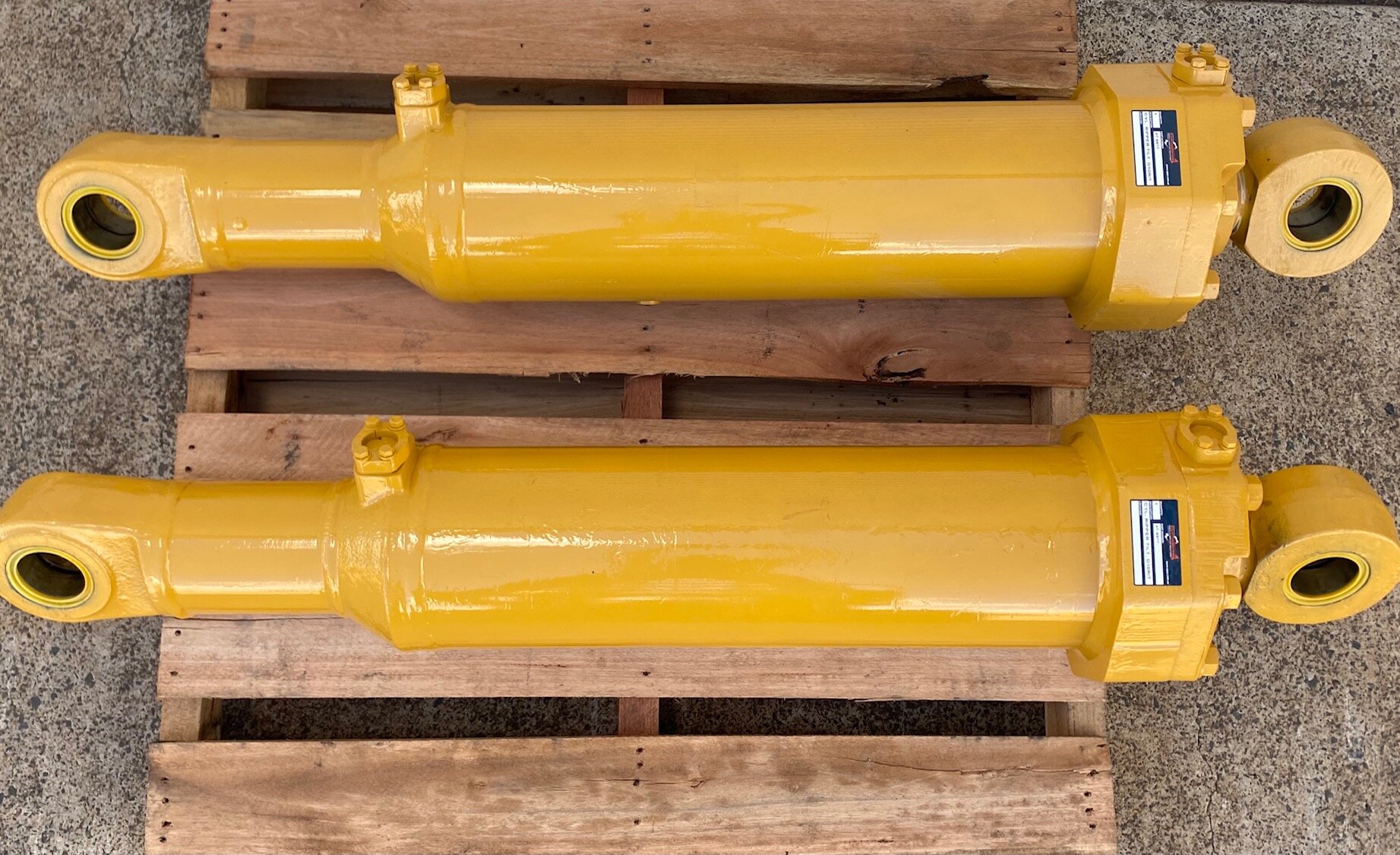
What are the advantages of using tilt cylinders in heavy equipment?
Using tilt cylinders in heavy equipment offers several advantages that enhance productivity, versatility, and operational efficiency. Here are the key advantages:
- Enhanced Flexibility: Tilt cylinders enable heavy equipment to tilt and adjust the angle of attachments or implements. This provides enhanced flexibility in various applications, such as grading, landscaping, material handling, and excavation. The ability to tilt attachments allows operators to precisely control the position and orientation, improving accuracy and efficiency in completing tasks.
- Improved Stability: Tilt cylinders contribute to improved stability and balance of heavy equipment. By tilting the attachments or implements to match the terrain or load conditions, operators can maintain better stability during operation. This is particularly beneficial in uneven or challenging terrains where maintaining stability is crucial for safe and efficient work.
- Increased Efficiency: Tilt cylinders enhance the efficiency of heavy equipment operations. By allowing operators to adjust the tilt angle without repositioning the entire machine, time and effort are saved. Operators can quickly and easily change the angle of the attachments, optimizing the equipment’s performance and reducing the need for manual adjustments or additional equipment.
- Precise Material Control: Tilt cylinders enable precise control over the material being handled or manipulated. For example, in material loading or dumping applications, operators can tilt the bucket or attachment to precisely control the pouring or dumping angle. This level of control improves accuracy, minimizes spillage, and reduces material wastage, resulting in cost savings and improved operational efficiency.
- Versatility and Adaptability: Tilt cylinders enhance the versatility and adaptability of heavy equipment. With the ability to adjust the tilt angle, equipment can be used for a wider range of tasks and applications. Tilt cylinders allow the equipment to accommodate different attachments or implements, expanding its capabilities and making it suitable for various job requirements.
- Operator Comfort and Safety: Tilt cylinders contribute to operator comfort and safety. By allowing adjustments to the tilt angle, operators can maintain a better ergonomic position and reduce fatigue during prolonged operation. Additionally, the ability to control the tilt angle improves safety by providing better visibility and control over the equipment’s working area, reducing the risk of accidents and damage.
The advantages of using tilt cylinders in heavy equipment make them integral components in industries such as construction, mining, agriculture, and material handling. Tilt cylinders enhance operational capabilities, increase efficiency, and improve safety, ultimately leading to enhanced productivity and cost-effectiveness.
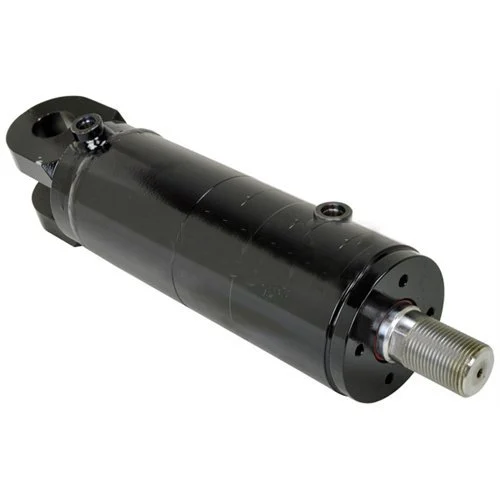
What is a tilt cylinder and how does it work in heavy machinery?
A tilt cylinder is a hydraulic cylinder used in heavy machinery to provide controlled tilting or angling of various components, such as buckets, blades, or attachments. It enables the adjustment of the working angle, allowing heavy machinery to perform tasks more effectively in various industries, including construction, mining, and agriculture.
Here’s how a tilt cylinder works in heavy machinery:
- Structure: A tilt cylinder consists of a cylindrical body, a piston, and a rod. The cylinder body houses the piston, which divides the cylinder into two chambers: the rod side and the head side. The rod is connected to the movable component, such as a bucket, while the cylinder body is attached to the main structure of the machinery.
- Hydraulic Fluid: The tilt cylinder is connected to a hydraulic system that supplies hydraulic fluid. The hydraulic fluid is pressurized and directed to one side of the piston, creating a force imbalance and causing the piston to move. As the piston moves, it extends or retracts the rod, resulting in the tilting action of the attached component.
- Controlled Movement: The flow of hydraulic fluid into and out of the cylinder is controlled by valves in the hydraulic system. By regulating the flow and pressure of the hydraulic fluid, the operator can precisely control the speed, direction, and extent of the tilting movement. This allows for accurate positioning and adjustment of the component according to the specific task requirements.
- Load Capacity: Tilt cylinders are designed to handle heavy loads encountered in heavy machinery. They are selected based on the load capacity requirements of the machinery and must be capable of generating sufficient force to tilt and hold the desired load securely.
- Safety Features: Tilt cylinders often incorporate safety features to prevent over-tilting or unintended movement. These features may include pressure relief valves, limit switches, or sensors that provide feedback on the position and angle of the tilted component. These safety measures help protect the machinery, operators, and surrounding environment.
The use of tilt cylinders in heavy machinery offers several advantages. They enable precise control over the tilting movement, allowing operators to adapt to different tasks and working conditions. The ability to adjust the working angle enhances the efficiency, versatility, and productivity of the machinery, as it can optimize the performance of various attachments and improve material handling capabilities.
In summary, a tilt cylinder is a hydraulic cylinder used in heavy machinery to provide controlled tilting of components. By utilizing hydraulic fluid and precise control mechanisms, tilt cylinders enable heavy machinery to perform tasks more effectively and efficiently, enhancing productivity and versatility in various industries.


editor by CX 2023-11-03