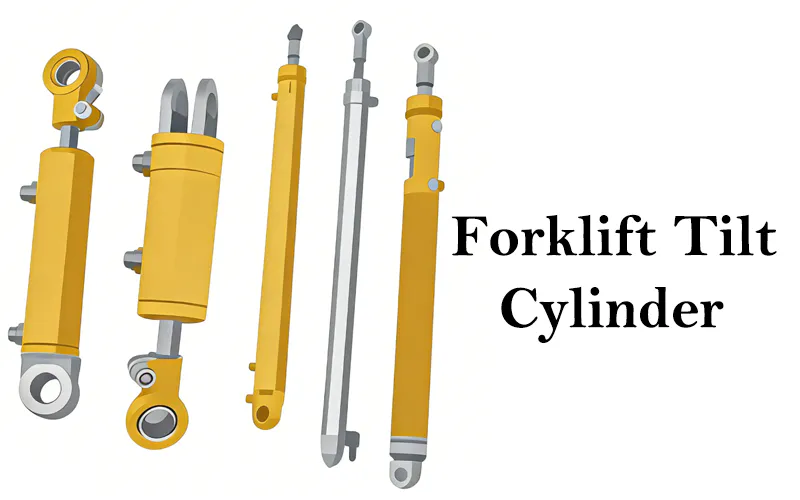
Product Description
CHINAMFG RC Series hydraulic cylinders set the industry standard for general purpose cylinders.
- Unique GR2 Bearing Design, reduces wear, extending life
- Collar threads, plunger threads and base mounting holes enable easy fixturing (on most models)
- Designed for use in all positions
- High strength alloy steel for durability
- Redesigned cylinder thread protector for ease of use
- Heavy-duty, pretensioned spring improves retraction speed
- Baked enamel finish for increased corrosion resistance
- CR-400 coupler and dust cap included on all models
- Plunger wiper reduces contamination, extending cylinder life
| Model Number |
Cylinder Capacity |
Stroke | Cylinder Effective Area |
Oil Capacity |
Collapsed Height |
Weight |
| ton (kN) | mm | cm2 | cm3 | mm | kg | |
| SOV-RC-50** | 5 (45) |
16 | 6,5 | 10 | 41 | 1 |
| SOV-RC-51 | 25 | 6,5 | 16 | 110 | 1 | |
| SOV-RC-53 | 76 | 6,5 | 50 | 165 | 1,5 | |
| SOV-RC-55* | 127 | 6,5 | 83 | 215 | 1,9 | |
| SOV-RC-57 | 177 | 6,5 | 115 | 273 | 2,4 | |
| SOV-RC-59 | 232 | 6,5 | 151 | 323 | 2,8 | |
| SOV-RC-101 | 10 (101) |
26 | 14,5 | 38 | 89 | 1,8 |
| SOV-RC-102* | 54 | 14,5 | 78 | 121 | 2,3 | |
| SOV-RC-104 | 105 | 14,5 | 152 | 171 | 3,3 | |
| SOV-RC-106* | 156 | 14,5 | 226 | 247 | 4,4 | |
| SOV-RC-108 | 203 | 14,5 | 294 | 298 | 5,4 | |
| SOV-RC-1571* | 257 | 14,5 | 373 | 349 | 6,4 | |
| SOV-RC-1012 | 304 | 14,5 | 441 | 400 | 6,8 | |
| SOV-RC-1014 | 356 | 14,5 | 516 | 450 | 8,2 | |
| SOV-RC-151 | 15 (142) |
25 | 20,3 | 51 | 124 | 3,3 |
| SOV-RC-152 | 51 | 20,3 | 104 | 149 | 4,1 | |
| SOV-RC-154* | 101 | 20,3 | 205 | 200 | 5 | |
| SOV-RC-156* | 152 | 20,3 | 308 | 271 | 6,8 | |
| SOV-RC-158 | 203 | 20,3 | 411 | 322 | 8,2 | |
| SOV-RC-1510 | 254 | 20,3 | 516 | 373 | 9,5 | |
| SOV-RC-1512 | 305 | 20,3 | 619 | 423 | 10,9 | |
| SOV-RC-1514 | 356 | 20,3 | 723 | 474 | 11,8 | |
| SOV-RC-251 | 25 (232) |
26 | 33,2 | 86 | 139 | 5,9 |
| SOV-RC-252* | 50 | 33,2 | 166 | 165 | 6,4 | |
| SOV-RC-254* | 102 | 33,2 | 339 | 215 | 8,2 | |
| SOV-RC-256* | 158 | 33,2 | 525 | 273 | 10 | |
| SOV-RC-258 | 210 | 33,2 | 697 | 323 | 12,2 | |
| SOV-RC-2510 | 261 | 33,2 | 867 | 374 | 14,1 | |
| SOV-RC-2512 | 311 | 33,2 | 1033 | 425 | 16,3 | |
| SOV-RC-2514* | 362 | 33,2 | 1202 | 476 | 17,7 | |
| SOV-RC-308 | 30 (295) | 209 | 42,1 | 880 | 387 | 18,1 |
| SOV-RC-502 | 50 (498) |
51 | 71,2 | 362 | 176 | 15 |
| SOV-RC-504 | 101 | 71,2 | 719 | 227 | 19,1 | |
| SOV-RC-506* | 159 | 71,2 | 1131 | 282 | 23,1 | |
| SOV-RC-5013 | 337 | 71,2 | 2399 | 460 | 37,6 | |
| SOV-RC-756 | 75 (718) |
156 | 102,6 | 1601 | 285 | 29,5 |
| SOV-RC-7513 | 333 | 102,6 | 3417 | 492 | 59 | |
| SOV-RC-1006 | 95 (933) |
168 | 133,3 | 2239 | 357 | 59 |
| SOV-RC-1571 | 260 | 133,3 | 3466 | 449 | 72,6 |
* Also available as cylinder-pump set.
** SOV-RC-50 cylinder has a non removable grooved saddle and no collar thread.
Product Description
Single Acting Hydraulic Cylinder
Single acting hydraulic cylinder with the most extensive range of stroke length and lifting capacity, is the best choice for maintenance, produce, manufacture, architecture and other operations . Neck thread can withstand full load, the unique double guide ring technology can easily absorb partial load, reduce wear, prolong service life. Outer ring thread, most models with plunger thread and bottom mounting hole, making use of positioning more convenient.
Features
* Single acting, heavy-duty return springs
* High strength alloy steel for durability.
* Plated steel plungers.
* Stop ring to prevent the plunger over stro ke , the piston top standard antiskid saddle
* Collar threads, plunger threads and base mounting holes enable easy fixturing .
* Baked enamel finish for increased corrosion resistance.
* Removable strap handles for unobstructed fixturing .
* Plunger wiper reduces contamination, extending cylinder life
* 3/8 “- 18NPT coupler and dust cap included on all models.
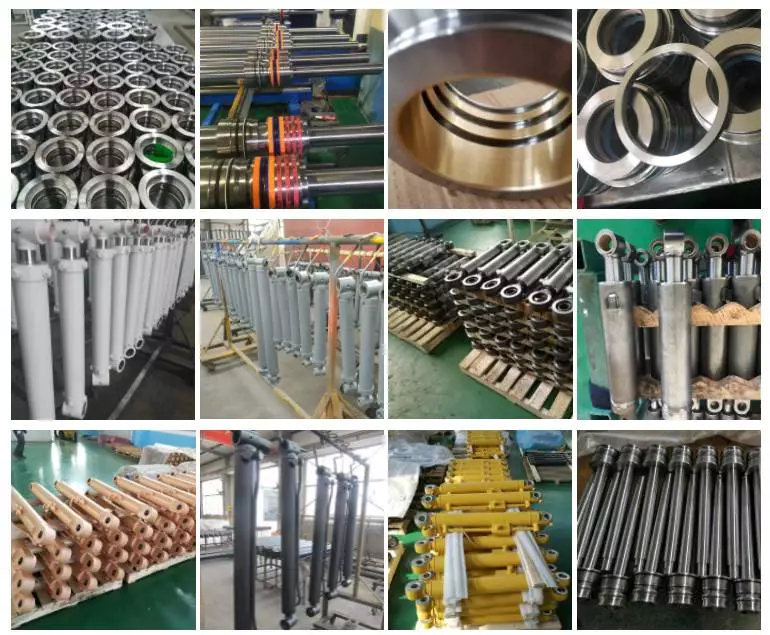
Details lmages
Product Specifications
| Item No |
Capacity
(T) |
Max. Working Pressure
(MPa) |
Closed Height A (mm) |
Stroke
(mm) |
Oil Capacity
(cm3) |
Weight
(kg) |
| SOV-RC-502 | 50 | 70 | 176 | 51 | 362 | 15 |
Recommend Products
Company Profile
SOV Hydraulic Technoloy (ZheJiang ) Co., Ltd. is a professional manufacturing in hydraulic tools and products, we have been in the industry for more than 20 years. Since the establishment in 1995, we successfully transformed from OEM manufacturer to create our own brand SOV, and our factory has been approved by CE, ISO9001:2008 consecutively. Our Products have been widely used in petrochemical, cement, shipbuilding, steel plant and heavy constructions areas, etc.
We produce and supply Hydraulic tools, such as:
* Hydraulic cylinders, jacks (5-1000ton), single acting and double acting, hollow plunger;
* Hydraulic/ electric /pneumatic torque wrench (100-72000Nm);
* Hydraulic bolt tensioner (100-11486NM);
* Hydraulic pumps, manual and electric type (max up to 3000bar);
* Integrated hydraulic lifting system solutions ( 4-72 points lifting system for house translation or leveling, bridge supporting and tank welding supporting)
* Hydraulic nut and couplings. (M50-Tr1000)
FAQ
Q1: How can contact sales ?
A1: Please click the contact find our website and email address.
Q2: How can I buy CHINAMFG products in my country?
A2: Please send us an inquiry or email , we will reply to your if there is distributor in your country.
Q3: Can I have CHINAMFG products catalog and price list ?
A3: Please visit our English website:sov-china to download our E-catalog, and send us an email for price list.
Q4: How long does it take to get the product If I place an order?
A4: If products stock available, after confirmation of your payment or advance payment , we will pack and deliver in 3-7 days. If you select international parcel service, it can be arrived in 3-7 days. If it is by sea shipment, it will take 15-45 days depending on different locations
Q5: How to make payment ?
A5: First send us an inquiry, and we will reply you quotation, if our price suits you, we will prepare proforma invoice with our banking details.
Q6: Manufacturing time?
A6: Please send us an inquiry for stock condition, if we don’t have stock, and it is our standard products (refer to our model), it can be produced in 10-20 days. If it is customized, not our standard products, it will take 20-45 days to produce.
WHY CHOOSE US
Our Services:
* 24 hours online service;
* One year warranty, repair and service for the whole life;
* Question report will be replied in 48 hours;
* Quality guaranteed.
Packaging:
* All products will be packed with wooden case.
Shipping:
* Small quantity: by international exress, such as DHL, TNT, FEDEX, UPS, etc. depending on the customers’ choice. Goods will arrive within 7 days in normal cicumstances;
* Large quantity: by sea transportation. Goods will arrive in 10~45 days, according to the diatance.
| Material: | Steel |
|---|---|
| Usage: | Automation and Control |
| Structure: | Series Cylinder |
| Power: | Hydraulic |
| Standard: | Standard |
| Pressure Direction: | Single-acting Cylinder |
| Customization: |
Available
|
|
|---|
What advancements in hydraulic cylinder technology have improved energy efficiency?
Advancements in hydraulic cylinder technology have led to significant improvements in energy efficiency, allowing hydraulic systems to operate more efficiently and reduce energy consumption. These advancements aim to minimize energy losses, optimize system performance, and enhance overall efficiency. Here’s a detailed explanation of some key advancements in hydraulic cylinder technology that have improved energy efficiency:
1. Efficient Hydraulic Circuit Design:
– The design of hydraulic circuits has evolved to improve energy efficiency. Advancements in circuit design techniques, such as load-sensing, pressure-compensated systems, or variable displacement pumps, help match the hydraulic power output to the actual load requirements. These designs reduce unnecessary energy consumption by adjusting the flow and pressure levels according to the system demands, rather than operating at a fixed high pressure.
2. High-Efficiency Hydraulic Fluids:
– The development of high-efficiency hydraulic fluids, such as low-viscosity or synthetic fluids, has contributed to improved energy efficiency. These fluids offer lower internal friction and reduced resistance to flow, resulting in decreased energy losses within the system. Additionally, advanced fluid additives and formulations enhance lubrication properties, reducing friction and optimizing the overall efficiency of hydraulic cylinders.
3. Advanced Sealing Technologies:
– Seal technology has advanced significantly, leading to improved energy efficiency in hydraulic cylinders. High-performance seals, such as low-friction or low-leakage seals, minimize internal leakage and friction losses. Reduced internal leakage helps maintain system pressure more effectively, resulting in less energy waste. Additionally, innovative sealing materials and designs enhance durability and extend seal life, reducing the need for frequent maintenance and replacement.
4. Electro-Hydraulic Control Systems:
– The integration of advanced electro-hydraulic control systems has greatly contributed to energy efficiency improvements. By combining electronic control with hydraulic power, these systems enable precise control over cylinder operation, optimizing energy usage. Proportional or servo valves, along with position or force feedback sensors, allow for accurate and responsive control, ensuring that hydraulic cylinders operate at the required level of performance while minimizing energy waste.
5. Energy Recovery Systems:
– Energy recovery systems, such as hydraulic accumulators, have been increasingly utilized to improve energy efficiency in hydraulic cylinder applications. Accumulators store excess energy during low-demand periods and release it when there is a peak demand, reducing the need for the hydraulic pump to provide the full power continuously. By utilizing stored energy, these systems can significantly reduce energy consumption and improve overall system efficiency.
6. Smart Monitoring and Control:
– Advancements in smart monitoring and control technologies have enabled real-time monitoring of hydraulic systems, allowing for optimized energy usage. Integrated sensors, data analytics, and control algorithms provide insights into system performance and energy consumption, enabling operators to make informed decisions and adjustments. By identifying inefficiencies or suboptimal operating conditions, energy consumption can be minimized, leading to improved energy efficiency.
7. System Integration and Optimization:
– The integration and optimization of hydraulic systems as a whole have played a significant role in improving energy efficiency. By considering the entire system layout, component sizing, and interaction between different elements, engineers can design hydraulic systems that operate in the most energy-efficient manner. Proper sizing of components, minimizing pressure drops, and reducing unnecessary piping or valve restrictions all contribute to improved energy efficiency of hydraulic cylinders.
8. Research and Development:
– Ongoing research and development efforts in the field of hydraulic cylinder technology continue to drive energy efficiency advancements. Innovations in materials, component design, system modeling, and simulation techniques help identify areas for improvement and optimize energy usage. Additionally, collaboration between industry stakeholders, research institutions, and regulatory bodies fosters the development of energy-efficient hydraulic cylinder technologies.
In summary, advancements in hydraulic cylinder technology have resulted in notable improvements in energy efficiency. Efficient hydraulic circuit designs, high-efficiency hydraulic fluids, advanced sealing technologies, electro-hydraulic control systems, energy recovery systems, smart monitoring and control, system integration and optimization, as well as ongoing research and development efforts, all contribute to reducing energy consumption and enhancing the overall energy efficiency of hydraulic cylinders. These advancements not only benefit the environment but also offer cost savings and improved performance in various hydraulic applications.
Ensuring Stable Performance of Hydraulic Cylinders Under Fluctuating Loads
Hydraulic cylinders are designed to provide stable performance even under fluctuating loads. They achieve this through various mechanisms and features that allow for efficient load control and compensation. Let’s explore how hydraulic cylinders ensure stable performance under fluctuating loads:
- Piston Design: The piston inside the hydraulic cylinder plays a crucial role in load control. It is typically equipped with seals and rings that prevent leakage of hydraulic fluid and ensure effective transfer of force. The piston design may incorporate features such as stepped or tandem pistons, which provide enhanced load-bearing capabilities and improved stability by distributing the load across multiple surfaces.
- Cylinder Cushioning: Hydraulic cylinders often incorporate cushioning mechanisms to minimize the impact and shock caused by fluctuating loads. Cushioning can be achieved through various methods, such as adjustable cushion screws, hydraulic cushioning valves, or elastomeric cushioning rings. These mechanisms slow down the piston’s movement near the end of the stroke, reducing the impact and preventing sudden stops that could lead to instability.
- Pressure Compensation: Fluctuating loads can result in pressure variations within the hydraulic system. To ensure stable performance, hydraulic cylinders are equipped with pressure compensation mechanisms. These mechanisms maintain a consistent pressure level in the system, regardless of load changes. Pressure compensation can be achieved through the use of pressure relief valves, compensating pistons, or pressure-compensated flow control valves.
- Flow Control: Hydraulic cylinders often incorporate flow control valves to regulate the speed of the cylinder’s movement. By controlling the flow rate of hydraulic fluid, the cylinder’s motion can be adjusted to match the changing load conditions. Flow control valves allow for smooth and controlled movement, preventing abrupt changes that could lead to instability.
- Feedback Systems: To ensure stable performance under fluctuating loads, hydraulic cylinders can be integrated with feedback systems. These systems provide real-time information on the cylinder’s position, velocity, and force. By continuously monitoring these parameters, the hydraulic system can make immediate adjustments to maintain stability and compensate for load fluctuations. Feedback systems can include position sensors, pressure sensors, or load sensors, depending on the specific application.
- Proper Sizing and Selection: Ensuring stable performance under fluctuating loads starts with proper sizing and selection of hydraulic cylinders. It is crucial to choose cylinders with appropriate bore size, rod diameter, and stroke length to match the anticipated load conditions. Oversized or undersized cylinders can lead to instability and reduced performance. Proper sizing also involves considering factors such as the required force, speed, and duty cycle of the application.
In summary, hydraulic cylinders ensure stable performance under fluctuating loads through features such as piston design, cushioning mechanisms, pressure compensation, flow control, feedback systems, and proper sizing and selection. These mechanisms and considerations allow hydraulic cylinders to provide consistent and controlled movement, even in dynamic load conditions, resulting in reliable and stable performance.

How do hydraulic cylinders generate force and motion using hydraulic fluid?
Hydraulic cylinders generate force and motion by utilizing the principles of fluid mechanics, specifically Pascal’s law, in conjunction with the properties of hydraulic fluid. The process involves the conversion of hydraulic energy into mechanical force and linear motion. Here’s a detailed explanation of how hydraulic cylinders achieve this:
1. Pascal’s Law:
– Hydraulic cylinders operate based on Pascal’s law, which states that when pressure is applied to a fluid in a confined space, it is transmitted equally in all directions. In the context of hydraulic cylinders, this means that when hydraulic fluid is pressurized, the force is evenly distributed throughout the fluid and transmitted to all surfaces in contact with the fluid.
2. Hydraulic Fluid and Pressure:
– Hydraulic systems use a specialized fluid, typically hydraulic oil, as the working medium. This fluid is stored in a reservoir and circulated through the system by a hydraulic pump. The pump pressurizes the fluid, creating hydraulic pressure that can be controlled and directed to various components, including hydraulic cylinders.
3. Cylinder Design and Components:
– Hydraulic cylinders consist of several key components, including a cylindrical barrel, a piston, a piston rod, and various seals. The barrel is a hollow tube that houses the piston and allows for fluid flow. The piston divides the cylinder into two chambers: the rod side and the cap side. The piston rod extends from the piston and provides a connection point for external loads. Seals are used to prevent fluid leakage and maintain hydraulic pressure within the cylinder.
4. Fluid Input and Motion:
– To generate force and motion, hydraulic fluid is directed into one side of the cylinder, creating pressure on the corresponding surface of the piston. This pressure is transmitted through the fluid to the other side of the piston.
5. Force Generation:
– The force generated by a hydraulic cylinder is a result of the pressure applied to a specific surface area of the piston. The force exerted by the hydraulic cylinder can be calculated using the formula: Force = Pressure × Area. The area is determined by the diameter of the piston or the piston rod, depending on which side of the cylinder the fluid is acting upon.
6. Linear Motion:
– As the pressurized hydraulic fluid acts on the piston, it generates a force that moves the piston in a linear direction within the cylinder. This linear motion is transferred to the piston rod, which extends or retracts accordingly. The piston rod can be connected to external components or machinery, allowing the generated force to perform various tasks, such as lifting, pushing, pulling, or controlling mechanisms.
7. Control and Regulation:
– The force and motion generated by hydraulic cylinders can be controlled and regulated by adjusting the flow of hydraulic fluid into the cylinder. By regulating the flow rate, pressure, and direction of the fluid, the speed, force, and direction of the cylinder’s movement can be precisely controlled. This control allows for accurate positioning, smooth operation, and synchronization of multiple cylinders in complex machinery.
8. Return and Recirculation of Fluid:
– After the hydraulic cylinder completes its stroke, the hydraulic fluid on the opposite side of the piston needs to be returned to the reservoir. This is typically achieved through hydraulic valves that control the flow direction, allowing the fluid to return and be recirculated in the system for further use.
In summary, hydraulic cylinders generate force and motion by utilizing the principles of Pascal’s law. Pressurized hydraulic fluid acts on the piston, creating force that moves the piston in a linear direction. This linear motion is transferred to the piston rod, allowing the generated force to perform various tasks. By controlling the flow of hydraulic fluid, the force and motion of hydraulic cylinders can be precisely regulated, contributing to their versatility and wide range of applications in machinery.


editor by CX 2023-10-19