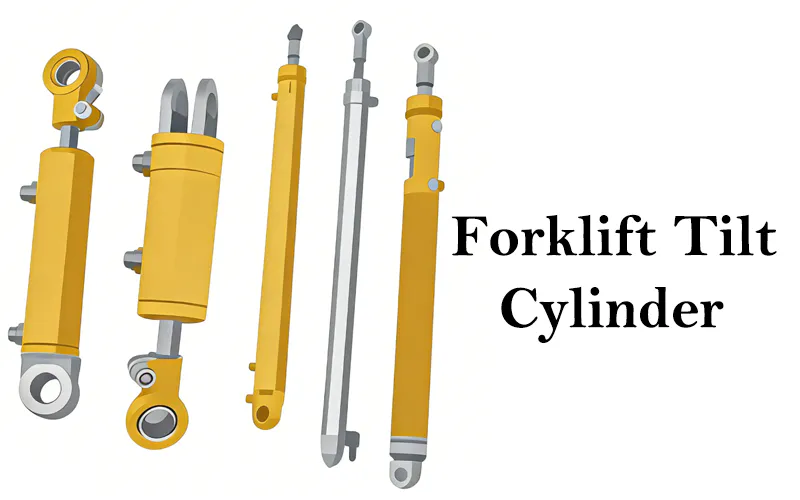
Product Description
Detail specification:
Fabrication Description:
Quality Control:
Quality Control:
1. Raw materials: We will test the material of each batch of raw materials we receive, and the piston rod will be tested with salt spray. This is to ensure that the material of our products meets the requirements at the beginning.
2. Processing: We have the leading machining equipment, and obtained ISO9001 certification
3. Welding: Our factory is equipped with welding robots, and has obtained the AWS certification.
4. Assembly pressure test: 100% testing with OQC report for cHangZhou. The seals we use are: Hallite, Aston and Gapi
5. Spray painting: semi-automatic spray painting line. The capacity of 1 coating line is 1400pcs.
6. Warranty: two years after shipping out from our factory.
Detailed Pictures:
Packing and Shipping:
Q&A:
Q1. What is LD product’s quality assurance?
A1:100% inspection for each product before shipping with inspection rereport for tracking.
Q2: How long is the warranty on LD products?
A2: The warranty is 2 years for general products since the date of shipment.
Q3: How LD deal with the quality problem during warranty period?
A3: 1. LD will take the corresponding cost caused by customer local reparing.
2. LD will provide the product by free if the repair cost is higher than the product value, but the freight involved shall be borne by the customer side.
Q4: How to ensure the order can be shipped on time?
A4: LD will send the “production schedule” every week after receiving customers’ orders. If any delays, LD will inform customers 3 weeks in advance, so as to facilitate the customer to arrange the schedule.
Q5: Does LD offer delivery service?
A5: Yes. LD has deep cooperation with logistics companies all over the world to provide customers with quick and convenient “Door-to-Door services”,including sea, air and express.
Q6: How LD control the product quality?
A6:1. Raw materials: We will test the material of each batch of raw materials we receive, and the piston rod will be tested with salt spray. This is to ensure that the material of our products meets the requirements at the beginning.
2. Processing: We have the leading machining equipment, and obtained ISO9001 certification.
3. Welding: Our factory is equipped with welding robots, and has obtained the AWS certification.
4. Assembly pressure test: 100% testing with OQC report for cHangZhou. The seals we use are: Hallite, Aston and Gapi
| Certification: | ISO9001 |
|---|---|
| Pressure: | Low Pressure |
| Work Temperature: | Normal Temperature |
| Acting Way: | Double Acting |
| Working Method: | Straight Trip |
| Adjusted Form: | Regulated Type |
| Samples: |
US$ 199/Piece
1 Piece(Min.Order) | |
|---|
| Customization: |
Available
|
|
|---|
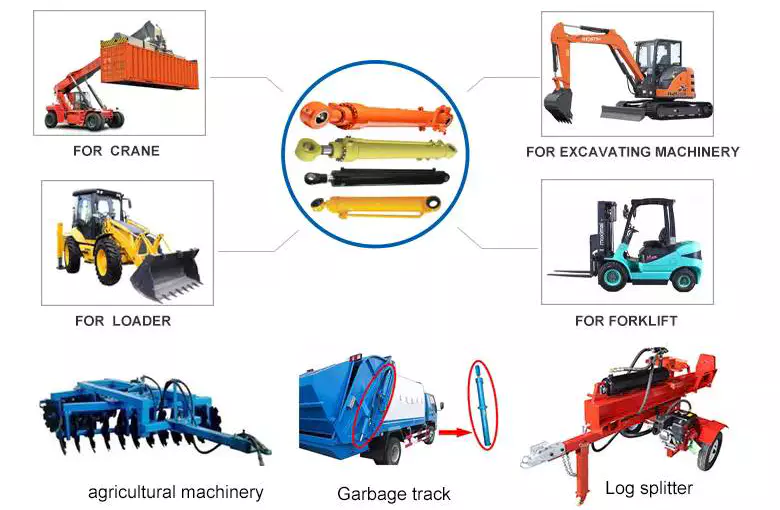
Can hydraulic cylinders be integrated with modern telematics and remote monitoring?
Yes, hydraulic cylinders can indeed be integrated with modern telematics and remote monitoring systems. The integration of hydraulic cylinders with telematics and remote monitoring technology offers numerous benefits, including enhanced operational efficiency, improved maintenance practices, and increased overall productivity. Here’s a detailed explanation of how hydraulic cylinders can be integrated with modern telematics and remote monitoring:
1. Sensor Integration:
– Hydraulic cylinders can be equipped with various sensors to gather real-time data about their performance and operating conditions. Sensors such as pressure transducers, temperature sensors, position sensors, and load sensors can be integrated directly into the cylinder or its associated components. These sensors provide valuable information about parameters such as pressure, temperature, position, and load, enabling remote monitoring and analysis of the cylinder’s behavior.
2. Data Transmission:
– The data collected from the sensors in hydraulic cylinders can be transmitted wirelessly or through wired connections to a central monitoring system. Wireless communication technologies such as Bluetooth, Wi-Fi, or cellular networks can be employed to transmit data in real-time. Alternatively, wired connections such as Ethernet or CAN bus can be utilized for data transmission. The choice of communication method depends on the specific requirements of the application and the available infrastructure.
3. Remote Monitoring Systems:
– Remote monitoring systems receive and process the data transmitted from hydraulic cylinders. These systems can be cloud-based or hosted on local servers, depending on the implementation. Remote monitoring systems collect and analyze the data to provide insights into the cylinder’s performance, health, and usage patterns. Operators and maintenance personnel can access the monitoring system through web-based interfaces or dedicated software applications to view real-time data, receive alerts, and generate reports.
4. Condition Monitoring and Predictive Maintenance:
– Integration with telematics and remote monitoring enables condition monitoring and predictive maintenance of hydraulic cylinders. By analyzing the collected data, patterns and trends can be identified, allowing for the detection of potential issues or anomalies before they escalate into major problems. Predictive maintenance algorithms can be applied to the data to generate maintenance schedules, recommend component replacements, and optimize maintenance activities. This proactive approach helps prevent unexpected downtime, reduces maintenance costs, and maximizes the lifespan of hydraulic cylinders.
5. Performance Optimization:
– The data collected from hydraulic cylinders can also be utilized to optimize their performance. By analyzing parameters such as pressure, temperature, and load, operators can identify opportunities for improving operational efficiency. Insights gained from the remote monitoring system can guide adjustments in system settings, load management, or operational practices to optimize the performance of hydraulic cylinders and the overall hydraulic system. This optimization can result in energy savings, improved productivity, and reduced wear and tear.
6. Integration with Equipment Management Systems:
– Telematics and remote monitoring systems can be integrated with broader equipment management systems. This integration allows hydraulic cylinder data to be correlated with data from other components or related machinery, providing a comprehensive view of the overall system’s performance. This holistic approach enables operators to identify potential interdependencies, optimize system-wide performance, and make informed decisions regarding maintenance, repairs, or upgrades.
7. Enhanced Safety and Fault Diagnosis:
– Telematics and remote monitoring can contribute to enhanced safety and fault diagnosis in hydraulic systems. Real-time data from hydraulic cylinders can be used to detect abnormal conditions, such as excessive pressure or temperature, which may indicate potential safety risks. Fault diagnosis algorithms can analyze the data to identify specific issues or malfunctions, enabling prompt intervention and reducing the risk of catastrophic failures or accidents.
In summary, hydraulic cylinders can be effectively integrated with modern telematics and remote monitoring systems. This integration enables the collection of real-time data, remote monitoring of performance, condition monitoring, predictive maintenance, performance optimization, integration with equipment management systems, and enhanced safety. By harnessing the power of telematics and remote monitoring, hydraulic cylinder users can achieve improved efficiency, reduced downtime, optimized maintenance practices, and enhanced overall productivity in various applications and industries.
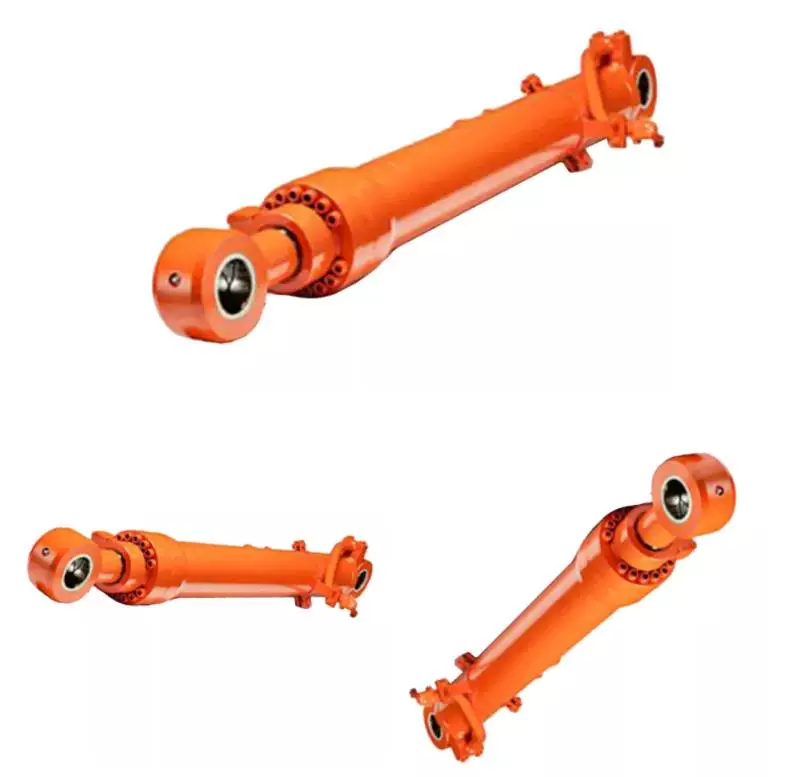
Handling the Challenges of Minimizing Fluid Leaks and Contamination in Hydraulic Cylinders
Hydraulic cylinders face challenges when it comes to minimizing fluid leaks and contamination, as these issues can impact the performance, reliability, and lifespan of the system. However, there are several measures and design considerations that help address these challenges effectively. Let’s explore how hydraulic cylinders handle the challenges of minimizing fluid leaks and contamination:
- Sealing Systems: Hydraulic cylinders employ advanced sealing systems to prevent fluid leaks. These systems typically include various types of seals, such as piston seals, rod seals, and wiper seals. The seals are designed to create a tight and reliable barrier between the moving components of the cylinder and the external environment, minimizing the risk of fluid leakage.
- Seal Material Selection: The choice of seal materials is crucial in minimizing fluid leaks and contamination. Hydraulic cylinder manufacturers carefully select seal materials that are compatible with the hydraulic fluid used and resistant to wear, abrasion, and chemical degradation. This ensures the longevity and effectiveness of the seals, reducing the likelihood of leaks or premature seal failure.
- Proper Installation and Maintenance: Ensuring proper installation and regular maintenance of hydraulic cylinders is essential for minimizing fluid leaks and contamination. During installation, attention should be given to proper alignment, torqueing of bolts, and adherence to recommended procedures. Regular maintenance includes inspecting seals, replacing worn-out components, and addressing any signs of leakage promptly. Proper maintenance practices help identify and rectify issues before they escalate and cause significant problems.
- Contamination Control: Hydraulic cylinders incorporate measures to control contamination and maintain fluid cleanliness. This includes the use of filtration systems, such as in-line filters, to remove particles and contaminants from the hydraulic fluid. Additionally, hydraulic reservoirs often have breathers and desiccant filters to prevent moisture and airborne contaminants from entering the system. By controlling contamination, hydraulic cylinders minimize the risk of damage to internal components and maintain optimal system performance.
- Environmental Protection: Hydraulic cylinders may be equipped with protective features to safeguard against external contaminants. For example, bellows or protective boots can be installed to shield the rod and seals from debris, dirt, or moisture present in the operating environment. These protective measures help extend the life of the seals and enhance the overall reliability of the hydraulic cylinder.
In summary, hydraulic cylinders employ sealing systems, appropriate seal materials, proper installation and maintenance practices, contamination control measures, and environmental protection features to handle the challenges of minimizing fluid leaks and contamination. By implementing these measures, manufacturers can ensure reliable and long-lasting hydraulic cylinder performance, minimize the risk of fluid leakage, and maintain the cleanliness of the hydraulic system.
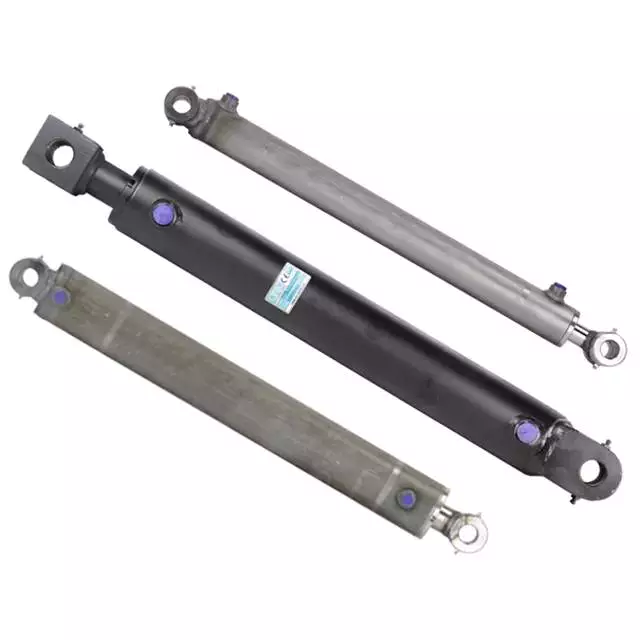
What factors should be considered when selecting the right hydraulic cylinder for an application?
When selecting the right hydraulic cylinder for an application, several important factors need to be considered. These factors help ensure that the chosen hydraulic cylinder is suitable for the specific requirements of the application and will perform reliably. Here are the key factors to consider:
1. Load Requirements:
– One of the crucial factors to consider is the load requirement of the application. Determine the maximum load that the hydraulic cylinder needs to handle. Consider both the static load (when the cylinder is stationary) and the dynamic load (when the cylinder is in motion). The load requirement will impact the cylinder’s bore size, rod diameter, and overall strength. Choose a hydraulic cylinder with a load capacity that exceeds the application’s maximum load to ensure safety and longevity.
2. Stroke Length:
– The stroke length refers to the distance the hydraulic cylinder needs to extend and retract to perform the desired motion. Measure the required stroke length based on the application’s operational requirements. It is essential to choose a hydraulic cylinder with a stroke length that matches or exceeds the required distance. Consider any potential variations or adjustments in the stroke length that may be needed in the future.
3. Operating Pressure:
– Consider the operating pressure required for the application. The hydraulic cylinder must be capable of withstanding the maximum pressure within the hydraulic system. Ensure that the selected cylinder has a pressure rating that exceeds the application’s maximum operating pressure. This ensures safety and prevents premature failure.
4. Speed Requirements:
– Determine the required speed of the hydraulic cylinder’s movement for the application. Consider both the extension and retraction speeds. Select a cylinder that can achieve the desired speed while maintaining precise control and stability. It is important to choose a cylinder that can handle the required speed without compromising performance or safety.
5. Mounting:
– Evaluate the available space and mounting requirements for the hydraulic cylinder. Consider the mounting type (such as flange, foot, trunnion, or clevis), the available mounting points, and any specific mounting constraints. Ensure that the selected cylinder can be easily and securely mounted in the desired location.
6. Environmental Factors:
– Assess the environmental conditions in which the hydraulic cylinder will operate. Consider factors such as temperature extremes, humidity, exposure to chemicals, dust, or corrosive substances. Choose a cylinder that is designed to withstand the specific environmental conditions of the application. This may involve selecting appropriate materials, coatings, or seals to ensure the longevity and performance of the cylinder.
7. Cylinder Configuration:
– Determine the appropriate cylinder configuration based on the application’s requirements. Consider factors such as single-acting or double-acting cylinders, telescopic cylinders for limited space, or custom configurations for unique applications. Evaluate the specific needs of the application to select the most suitable cylinder configuration.
8. Maintenance and Serviceability:
– Consider the maintenance and service requirements of the hydraulic cylinder. Evaluate factors such as ease of access for maintenance, availability of spare parts, and the reputation of the manufacturer or supplier in terms of customer support and after-sales service. Choosing a reliable and reputable brand can ensure ongoing support and availability of spare parts when needed.
9. Compliance and Standards:
– Depending on the industry and application, certain compliance standards may need to be met. Consider any industry-specific regulations, safety standards, or certifications that the hydraulic cylinder should comply with. Ensure that the selected cylinder meets the required standards and certifications for the application.
10. Cost and Budget:
– Finally, consider the cost and budget for the hydraulic cylinder. While it is important to select a cylinder that meets the application’s requirements, it is also necessary to consider the overall cost-effectiveness. Evaluate the initial purchase cost, long-term maintenance costs, and the expected lifespan of the cylinder. Balancing the cost and quality will help in selecting a hydraulic cylinder that provides the best value for the application.
By considering these factors in the selection process, it becomes possible to choose the right hydraulic cylinder that meets the specific requirements of the application in terms of load capacity, stroke length, operating pressure, speed, mounting, environmental conditions, maintenance needs, compliance, and cost-effectiveness. Proper selection ensures optimal performance, reliability, and longevity of the hydraulic cylinder in the intended application.


editor by CX 2023-10-28