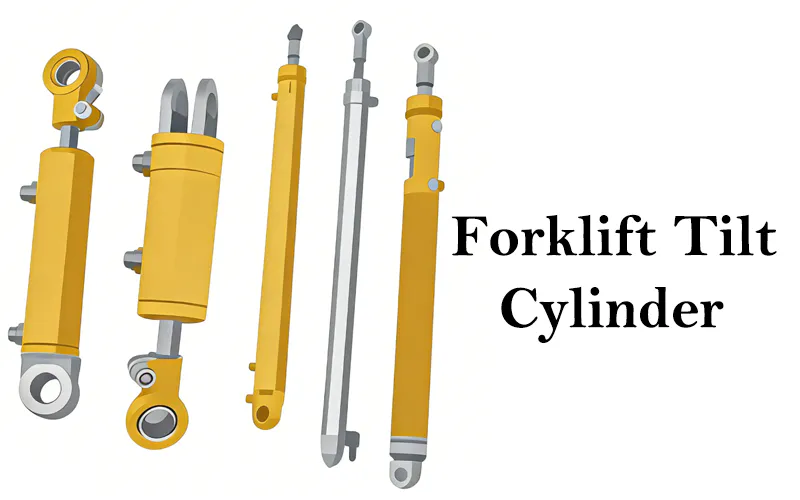
Product Description
Hot Sales Double Acting Hydraulic Cylinder
1.Describe:
Hydraulic cylinder can bear partial loading is 5% of rated pressure. High pressure alloy cylinder is very durable, especially in the larger project, it is easily to be operated and control. It can be used for lifting heavy machine, bridge project, hydraulic engineering, harbour construction and other equipment. It has large output, light weight, remote control and other advantages, it can match with our high pressure oil pump, it can reach jack, push, pull and extrusion and kinds of working.
2. Features
1. Integral stop ring provides piston blow-out protection
2. Double-acting for positive retraction
3. Baked enamel outside finish and plated pistons provide superior corrosion resistance
4. Safety valve in retract side of cylinder helps to prevent damage in case of accidental over-pressurization
5. Interchangeable, hardened grooved saddles are standard
6. Plunger wiper reduces contamination, extending cylinder life
| Model | Tonnage T | Stroke mm | Closed height mm | Extend height mm | Outer diameter of oil cylinder mm | Dimension of plunger mm | Dimension of oil pump mm | Weight kg | Pressure |
| STQ50-100 | 50 | 100 | 225 | 325 | 127 | 70 | 100 | 35 | 63MPA |
| STQ50-160 | 160 | 285 | 445 | 39 | |||||
| STQ50-200 | 200 | 325 | 525 | 46 | |||||
| STQ50-300 | 300 | 425 | 725 | 48 | |||||
| STQ50-500 | 500 | 625 | 1125 | 63 | |||||
| STQ100-100 | 100 | 100 | 250 | 350 | 180 | 100 | 140 | 58 | |
| STQ100-160 | 160 | 310 | 470 | 63 | |||||
| STQ100-200 | 200 | 350 | 550 | 78 | |||||
| STQ100-300 | 300 | 450 | 750 | 96 | |||||
| STQ100-500 | 500 | 650 | 1150 | 130 | |||||
| STQ150-100 | 150 | 100 | 260 | 360 | 219 | 125 | 180 | 58 | |
| STQ150-160 | 160 | 320 | 480 | 69 | |||||
| STQ150-200 | 200 | 360 | 560 | 86 | |||||
| STQ150-300 | 300 | 460 | 760 | 103 | |||||
| STQ150-500 | 500 | 660 | 1160 | 255 | |||||
| STQ200-100 | 200 | 100 | 285 | 385 | 240 | 150 | 200 | 96 | |
| STQ200-160 | 160 | 345 | 505 | 103 | |||||
| STQ200-200 | 200 | 385 | 585 | 116 | |||||
| STQ200-300 | 300 | 485 | 785 | 161 | |||||
| STQ200-500 | 500 | 685 | 1185 | 221 | |||||
| STQ320-100 | 320 | 100 | 310 | 410 | 330 | 180 | 250 | 196 | |
| STQ320-160 | 160 | 370 | 530 | 240 | |||||
| STQ320-200 | 200 | 410 | 610 | 258 | |||||
| STQ320-300 | 300 | 510 | 810 | 311 | |||||
| STQ320-500 | 500 | 710 | 1210 | 456 | |||||
| STQ400-100 | 400 | 100 | 355 | 455 | 380 | 200 | 290 | 198 | |
| STQ400-160 | 160 | 415 | 575 | 231 | |||||
| STQ400-200 | 200 | 460 | 660 | 264 | |||||
| STQ400-300 | 300 | 555 | 855 | 367 | |||||
| STQ400-500 | 500 | 755 | 1255 | 456 | |||||
| STQ500-100 | 500 | 100 | 360 | 460 | 430 | 200 | 320 | 323 | |
| STQ500-160 | 160 | 420 | 580 | 330 | |||||
| STQ500-200 | 200 | 460 | 660 | 420 | |||||
| STQ500-300 | 300 | 560 | 860 | 581 | |||||
| STQ500-500 | 500 | 760 | 1260 | 599 | |||||
| STQ630-100 | 630 | 100 | 417 | 517 | 500 | 250 | 360 | 560 | |
| STQ630-160 | 160 | 477 | 637 | 633 | |||||
| STQ630-200 | 200 | 517 | 717 | 696 | |||||
| STQ630-300 | 300 | 617 | 917 | 898 | |||||
| STQ630-500 | 500 | 817 | 1317 | 1250 | |||||
| STQ800-100 | 800 | 100 | 488 | 588 | 560 | 300 | 400 | 896 | |
| STQ800-200 | 200 | 598 | 798 | 1040 | |||||
| STQ800-300 | 300 | 698 | 998 | 1380 | |||||
| STQ800-500 | 500 | 898 | 1398 | 1520 | |||||
| STQ1000-100 | 1000 | 100 | 530 | 630 | 600 | 320 | 450 | 1286 | |
| STQ1000-200 | 200 | 630 | 830 | 1332 | |||||
| STQ1000-300 | 300 | 760 | 1060 | 1663 |
If the model you are looking for is not available, please contact us! We will customize it according to your needs.
3. Application:
Our hydraulic jacks have been widely used for industrial field, such as steel plant, cement industry, chemical and refinery, bridge, railway, highway, hydropower station, ship repair, building, construction and maintenance.
4.Company information:
HangZhou Lead Equipment Co., Ltd. Have been in hydraulic tools industry since 2009.
Our main products as follow:
Single acting hydraulic jack/cylinder/ram (10-100 tons)
Single acting hollow hydraulic jack/cylinder/ram (12-100 tons)
Double acting hydraulic jack/cylinder/ram (50-2000 tons)
Double acting hollow hydraulic jack/cylinder/ram (50-2000 tons)
Single acting hydraulic jack/cylinder/ram with lock nut (55-200 tons)
Thin type single acting hydraulic jack/cylinder/ram (10-200 tons)
Ultrathin hydraulic jack/cylinder/ram (10-200 tons)
Flange type hydraulic jack/cylinder/ram (10-630 tons)
Synchronous hydraulic jack (10-1000 tons)
Hydraulic accessories: high pressure oil hose, couplers, seal kits, mainfold, etc.
All the tonnage, stroke, height can be customized according to client’s requirements, supply the best quality and serve. Our warranty is 2 years.
| Certification: | CE, SGS |
|---|---|
| Pressure: | High Pressure |
| Work Temperature: | Normal Temperature |
| Acting Way: | Double Acting |
| Working Method: | Rotary |
| Adjusted Form: | Switching Type |
| Customization: |
Available
|
|
|---|
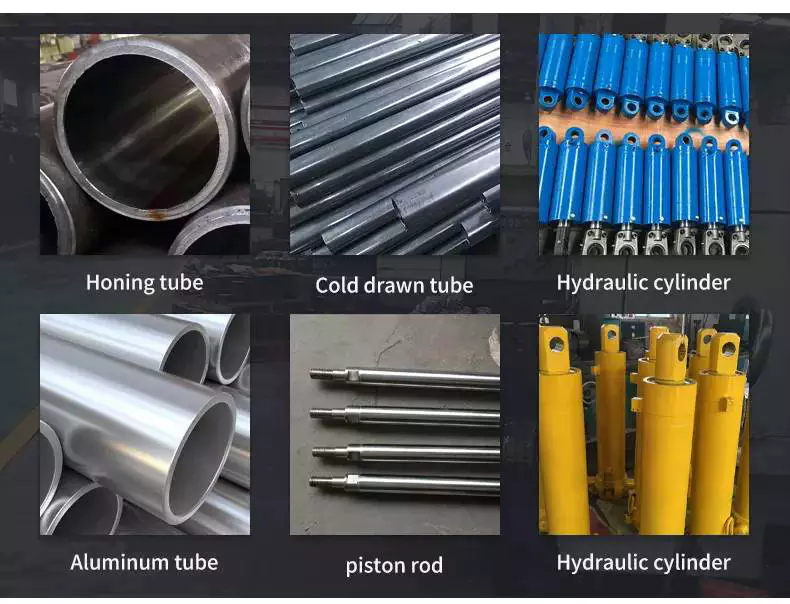
How do hydraulic cylinders contribute to the overall cost-effectiveness of industrial processes?
Hydraulic cylinders play a crucial role in enhancing the overall cost-effectiveness of industrial processes. They offer several advantages and contribute to increased productivity, improved efficiency, reduced maintenance costs, and enhanced operational performance. Here’s a detailed explanation of how hydraulic cylinders contribute to the cost-effectiveness of industrial processes:
1. High Power Density:
– Hydraulic cylinders provide a high power-to-weight ratio, allowing them to generate substantial force in a compact design. This power density enables the use of smaller and lighter equipment, reducing material and manufacturing costs, and increasing the efficiency of industrial processes.
2. Precise Force and Position Control:
– Hydraulic cylinders offer precise force and position control, allowing for accurate movement and positioning of machinery or workpieces. This level of control enhances process efficiency, reduces material waste, and improves overall product quality. Precise force control also minimizes the risk of equipment damage, further reducing maintenance and repair costs.
3. High Load Handling Capacity:
– Hydraulic cylinders are known for their ability to handle high loads. They can exert significant force, making them suitable for heavy-duty industrial applications. By efficiently handling heavy loads, hydraulic cylinders contribute to increased productivity and throughput, reducing the need for additional equipment and streamlining industrial processes.
4. Flexibility and Versatility:
– Hydraulic cylinders offer a high degree of flexibility and versatility in industrial processes. They can be easily integrated into various types of machinery and equipment, allowing for diverse applications. This adaptability reduces the need for specialized equipment, resulting in cost savings and increased operational efficiency.
5. Energy Efficiency:
– Hydraulic systems, including hydraulic cylinders, can be designed to operate with high energy efficiency. By utilizing efficient hydraulic circuit designs, advanced control systems, and energy recovery mechanisms, hydraulic cylinders minimize energy waste and reduce operational costs. Energy-efficient hydraulic systems also contribute to a more sustainable and environmentally friendly industrial operation.
6. Durability and Longevity:
– Hydraulic cylinders are built to withstand demanding industrial environments and heavy usage. They are constructed with robust materials and undergo stringent quality control measures to ensure durability and longevity. Their ability to withstand harsh conditions and repetitive motion reduces the need for frequent replacements, minimizing downtime and maintenance costs.
7. Reduced Maintenance Requirements:
– Hydraulic cylinders require relatively low maintenance compared to other types of actuators. Properly designed hydraulic systems with efficient filtration and contamination control mechanisms can prevent damage to the cylinders and extend their service life. Reduced maintenance requirements result in lower downtime, decreased labor costs, and improved cost-effectiveness of industrial processes.
8. System Integration and Automation:
– Hydraulic cylinders can be seamlessly integrated into automated industrial processes. By incorporating hydraulic cylinders into automated systems, tasks can be performed with precision and repeatability, reducing human error and optimizing efficiency. Automation also allows for continuous operation, increasing productivity and overall cost-effectiveness.
9. Cost-Effective Replacement:
– In situations where hydraulic cylinders require replacement or repair, the cost-effectiveness of the process is still maintained. Hydraulic cylinders are typically modular in design, allowing for easy replacement of individual components or complete units. This modularity reduces downtime and associated costs, as only the affected components need to be replaced, rather than the entire system.
In summary, hydraulic cylinders contribute to the overall cost-effectiveness of industrial processes through their high power density, precise control capabilities, high load handling capacity, flexibility, energy efficiency, durability, reduced maintenance requirements, system integration, and cost-effective replacement options. Their ability to enhance productivity, efficiency, and operational performance while minimizing maintenance and downtime costs makes hydraulic cylinders a valuable component in various industrial applications.
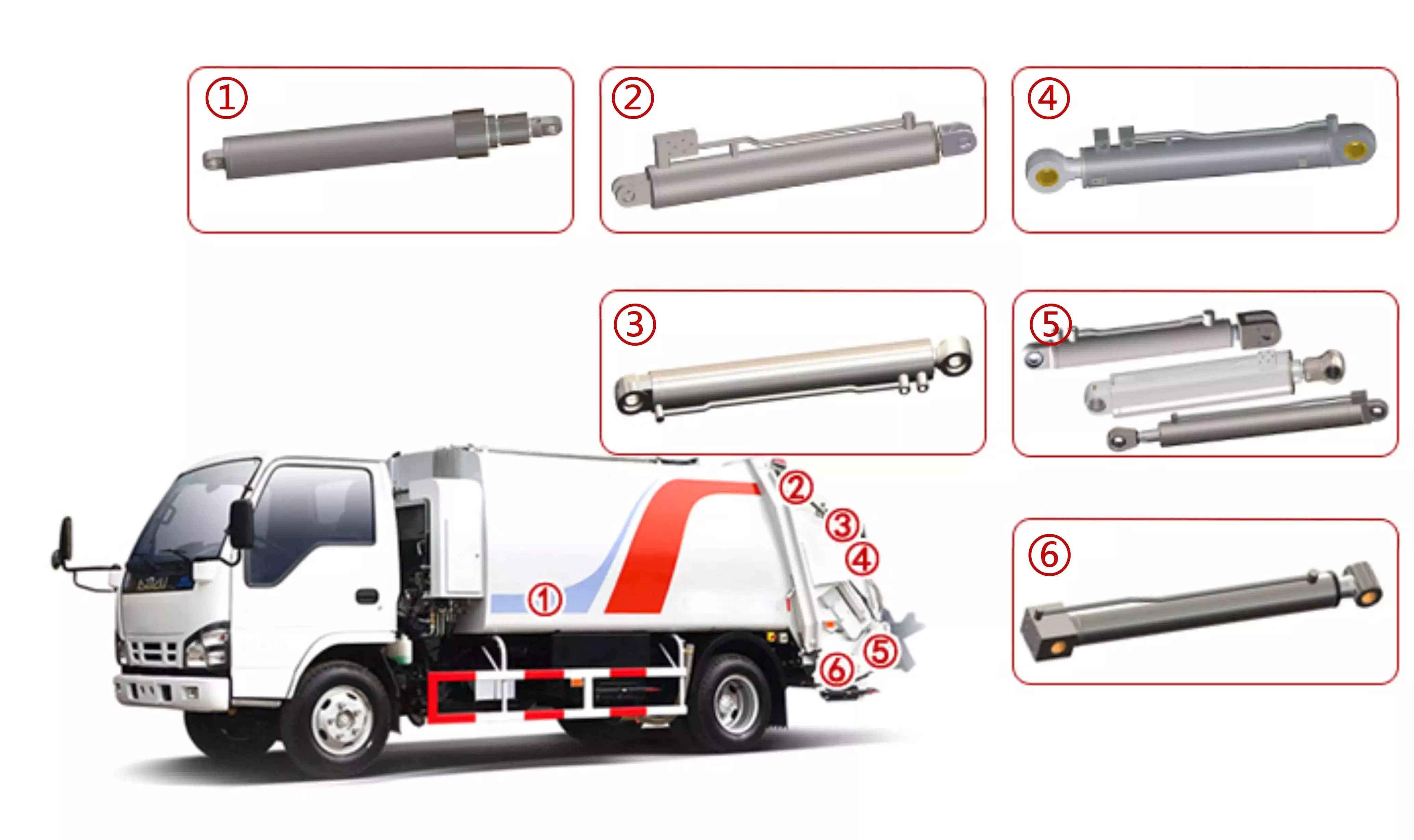
How do hydraulic cylinders contribute to the efficiency of agricultural tasks like plowing?
Hydraulic cylinders play a crucial role in improving the efficiency of agricultural tasks, including plowing. These cylinders provide several benefits that enhance the performance and productivity of agricultural machinery. Let’s explore how hydraulic cylinders contribute to the efficiency of plowing and other agricultural tasks:
- Powerful Force Generation: Hydraulic cylinders are capable of generating high forces, which is essential for tasks like plowing. The hydraulic system supplies pressurized fluid to the cylinders, converting hydraulic energy into mechanical force. This force is then utilized to drive plow blades through the soil, overcoming resistance and facilitating efficient soil penetration. The power generated by hydraulic cylinders ensures effective plowing, even in tough or compacted soil conditions.
- Adjustable Working Depth: Hydraulic cylinders allow for easy and precise adjustment of the plow’s working depth. By controlling the extension or retraction of the hydraulic cylinder, farmers can adjust the depth of the plow blades according to soil conditions, crop requirements, or their specific preferences. This adjustability enhances efficiency by ensuring optimal soil tillage and minimizing unnecessary energy expenditure. Farmers can adapt the plowing depth to different field areas, optimizing the use of resources and promoting uniform crop growth.
- Responsive Control: Hydraulic systems offer highly responsive control, enabling farmers to make quick adjustments during plowing operations. Hydraulic cylinders respond rapidly to changes in hydraulic pressure and valve settings, allowing for immediate modifications in the plow’s position, depth, or angle. This responsiveness enhances efficiency by facilitating on-the-go adjustments based on soil variations, obstacles, or changing field conditions. Farmers can maintain precise control over the plow’s performance, ensuring effective soil tillage and minimizing the risk of crop damage.
- Implement Versatility: Hydraulic cylinders enable the attachment of various implements to agricultural machinery, expanding their functionality and versatility. In the context of plowing, hydraulic cylinders allow for the attachment and detachment of plow blades or other tillage implements. This versatility enables farmers to adapt their equipment to different soil types, field sizes, or specific plowing requirements. By using hydraulic cylinders, farmers can easily switch between different implements, optimizing their equipment for specific tasks and maximizing efficiency.
- Efficient Time Management: Hydraulic cylinders contribute to time efficiency in agricultural tasks like plowing. With hydraulic systems, farmers can operate plows at higher speeds while maintaining control and precision. The responsive nature of hydraulic cylinders allows for efficient turning, maneuvering, and repositioning of plows, minimizing downtime and optimizing field coverage. This time efficiency translates into increased productivity and reduced overall operational costs. Farmers can accomplish plowing tasks more quickly, allowing them to cover larger field areas in less time.
In summary, hydraulic cylinders significantly contribute to the efficiency of agricultural tasks like plowing. Through powerful force generation, adjustable working depth, responsive control, implement versatility, and efficient time management, hydraulic systems equipped with cylinders enhance the performance and productivity of agricultural machinery. These contributions allow farmers to accomplish plowing tasks more effectively, optimize field operations, and achieve improved overall efficiency in their agricultural practices.
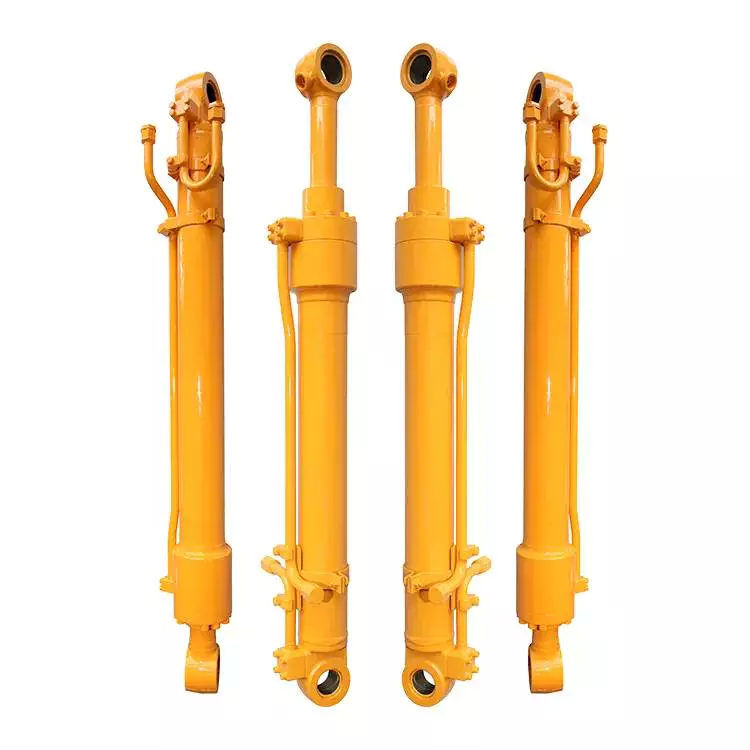
What maintenance practices are essential for extending the lifespan of hydraulic cylinders?
Maintaining hydraulic cylinders is crucial for extending their lifespan and ensuring optimal performance. Regular maintenance helps prevent premature wear, damage, and failure, ultimately reducing downtime and saving costs. Here are some essential maintenance practices to consider for extending the lifespan of hydraulic cylinders:
1. Regular Inspections:
– Conduct routine visual inspections of hydraulic cylinders to identify any signs of damage, leaks, or wear. Inspect the cylinder body, piston rod, seals, and mounting points. Look for fluid leaks, rust, dents, or any abnormal wear patterns. Early detection of issues allows for timely repairs or replacements, preventing further damage and extending the lifespan of the cylinder.
2. Cleanliness:
– Maintain a clean environment around hydraulic cylinders to prevent contaminants from entering the system. Dust, dirt, and debris can damage seals and other internal components, leading to accelerated wear and reduced performance. Regularly clean the cylinder and its surroundings to minimize the risk of contamination.
3. Proper Lubrication:
– Adequate lubrication is critical for the smooth operation and longevity of hydraulic cylinders. Follow the manufacturer’s recommendations for lubrication intervals and use the appropriate lubricant. Apply lubrication to the cylinder’s moving parts, such as the piston rod, to reduce friction and minimize wear.
4. Seal Maintenance:
– Seals play a vital role in preventing hydraulic fluid leaks and maintaining the cylinder’s performance. Inspect and replace worn or damaged seals promptly. Ensure that seals are properly installed and lubricated. Regularly clean the seal grooves to remove any debris that could compromise seal effectiveness.
5. Pressure Checks:
– Periodically check the hydraulic system’s pressure to ensure it is within the recommended operating range. Excessive pressure can strain the cylinder and its components, leading to premature wear. Monitor pressure levels and make adjustments as necessary to prevent overloading the cylinder.
6. Control Valve Maintenance:
– Maintain and inspect control valves that regulate the flow and direction of hydraulic fluid. Ensure that the valves are functioning correctly and not causing excessive stress or pressure spikes in the cylinder. Clean or replace control valves if they are damaged or malfunctioning.
7. Cylinder Alignment:
– Proper alignment of hydraulic cylinders is essential for their longevity. Misalignment can cause excessive side loads, leading to uneven wear and potential damage. Ensure that the cylinder is correctly aligned with other components and that the mounting points are secure.
8. Preventing Overloading:
– Avoid subjecting hydraulic cylinders to loads exceeding their rated capacity. Overloading can cause internal damage, seal failure, and reduced lifespan. Ensure that the load requirements are within the cylinder’s capabilities and consider using safety devices like overload protection systems when necessary.
9. Training and Operator Awareness:
– Provide proper training to equipment operators on the correct use and handling of hydraulic cylinders. Operators should be aware of the cylinder’s limitations, safe operating procedures, and the importance of regular maintenance. Promote a culture of proactive maintenance and encourage operators to report any potential issues promptly.
10. Documentation and Record-Keeping:
– Maintain detailed documentation of all maintenance activities, including inspections, repairs, and replacements. Keep records of lubrication schedules, pressure checks, and any maintenance performed on the hydraulic cylinders. This documentation helps track the cylinder’s history, identify recurring issues, and plan future maintenance effectively.
By following these maintenance practices, hydraulic cylinder lifespan can be extended, ensuring reliable performance and reducing the risk of unexpected failures. Regular inspections, cleanliness, proper lubrication, seal maintenance, pressure checks, control valve maintenance, cylinder alignment, preventing overloading, operator training, and documentation contribute to the overall longevity and optimal functioning of hydraulic cylinders.


editor by CX 2023-11-28