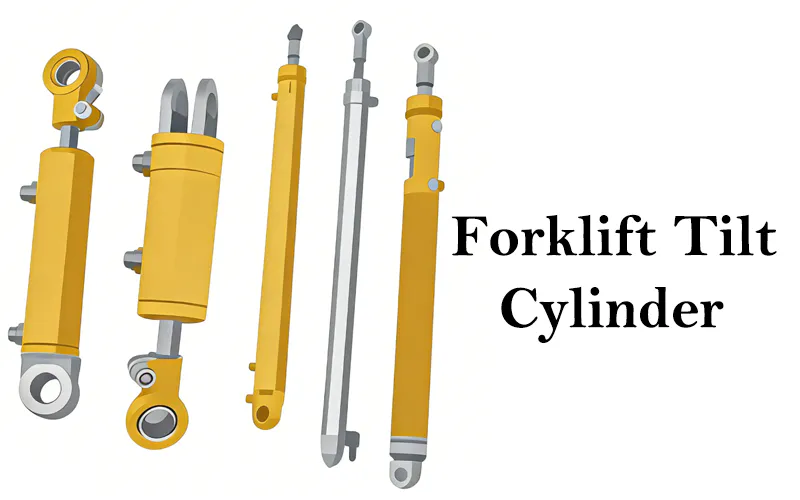
Pharma & Chemical Industry — Material Handling Solutions
Corrosion-Proof Forklift Tilt Cylinder Solutions for Acid and Alkali Chemical Distribution Centers
Engineering-grade hydraulic cylinders built for aggressive chemical environments — Colombia, Latin America, and global chemical logistics facilities.
Why Chemical Distribution Centers Need Specialized Hydraulic Cylinders
In chemical distribution centers across Colombia and Latin America, the demands placed on material handling equipment go far beyond what standard industrial machinery is designed to withstand. Acid storage warehouses, alkali blending stations, and pharmaceutical raw material depots expose every piece of equipment to vapor clouds, liquid splashes, and atmospheric conditions that aggressively attack metal surfaces, degrade rubber seals, and drastically shorten the operational lifespan of hydraulic components. The forklift tilt cylinder sits among the most vulnerable components in this environment — it operates under continuous load, cycles thousands of times per shift, and its sealing system is directly exposed to whatever the surrounding atmosphere carries.
A standard hydraulic forklift tilt cylinder built for general warehousing will begin showing corrosion damage within weeks of deployment in a facility handling sulfuric acid, sodium hydroxide, or chlorine-based disinfectants. Pitting on the cylinder rod surface creates a pathway for seal failure; once a seal fails, hydraulic fluid contaminates the product area while the cylinder loses the capacity to hold mast tilt position under load — a critical safety failure in any chemical storage operation. Facilities in Bogotá, Medellín, Cali, and Barranquilla handling bulk chemicals have increasingly demanded purpose-engineered solutions that address corrosion from the material level upward, rather than relying on periodic maintenance cycles to compensate for under-specified equipment.
This guide covers the engineering disciplines behind corrosion-proof forklift tilt cylinder design, the material and structural choices that determine performance longevity in acid and alkali environments, applicable safety regulations in Colombia and across major export markets, and how to select the right cylinder specification for your distribution center’s specific chemical handling profile.
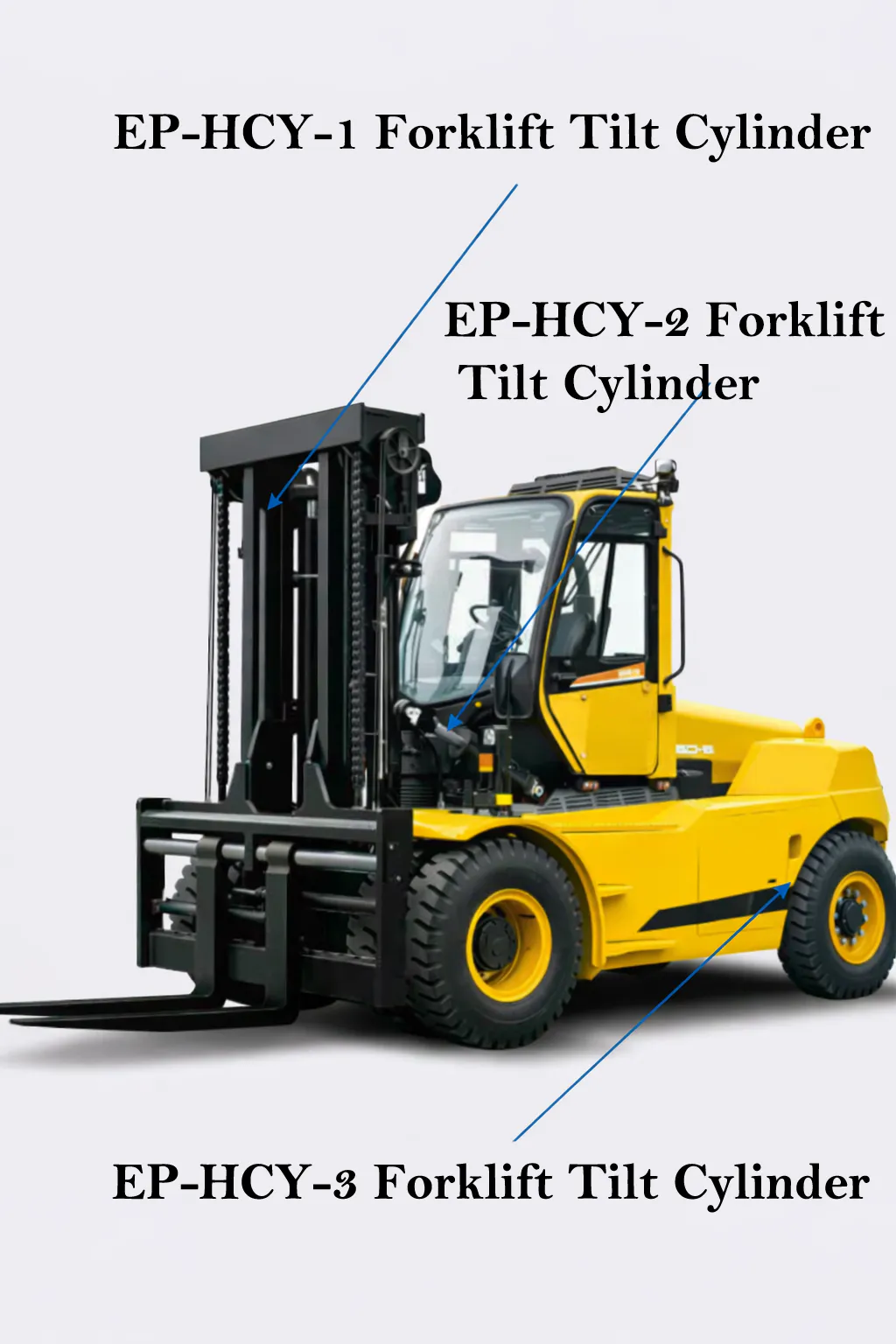
Manufacturing Structure of a Corrosion-Resistant Forklift Tilt Cylinder
The structural design of a forklift tilt cylinder intended for chemical distribution environments differs meaningfully from a standard production unit. Every dimensional and material choice cascades into either a point of corrosion vulnerability or a point of chemical resistance. Understanding the engineering rationale behind each structural element helps procurement engineers in Colombia and across the LATAM chemical sector specify the right product from the outset rather than discovering deficiencies during operation.
Cylinder Barrel (Tube Body)
The barrel is the primary pressure-containing shell. In chemical-duty cylinders, the inner bore is precision-honed to Ra 0.4 μm or finer, which minimizes the surface area available for chemical attack and optimizes dynamic seal contact. External barrel surfaces are treated with heavy-duty epoxy-polyurethane coatings or hard chrome plating depending on the severity of the chemical exposure class. For facilities handling concentrated acids, seamless cold-drawn steel tube with wall thickness above standard provides additional corrosion allowance.
Piston Rod — The Critical Exposure Surface
The piston rod is the component that travels in and out of the cylinder body with every tilt cycle, carrying whatever contamination is in the atmosphere back through the rod seal with each retraction stroke. In acid and alkali environments, the rod must resist surface pitting while maintaining the dimensional accuracy that keeps the seal effective. Options include hard chrome plating over alloy steel cores, stainless steel solid rods (316L for chloride-rich environments), and in high-exposure scenarios, ceramic-composite coatings that provide hardness above 1,200 HV alongside near-zero chemical permeability.
End Caps, Flanges, and Mounting Trunnions
Threaded end caps and welded flanges create recesses where chemical liquids pool and concentrate. Chemical-duty cylinder design minimizes these recesses through smooth-profile end cap geometry and electroless nickel plating on all fastener recesses and thread interfaces. Mounting trunnions and clevis pins are produced from stainless steel or receive PTFE-impregnated dry-lube coatings that prevent galling while preventing electrolytic corrosion between dissimilar metals in the trunnion bracket assembly.
Rod Wiper and Seal Cartridge
The rod wiper is the first line of defense against airborne chemical contamination entering the cylinder interior. Standard polyurethane wipers degrade rapidly in contact with ketones, aldehydes, and strong alkalis. Chemical-service wipers are produced from PTFE-loaded compounds or FKM (Viton) elastomers that maintain dimensional stability across the pH range from 1 to 14. Seal cartridges are designed as unitized assemblies that can be replaced in the field — reducing downtime at chemical facilities where extended cylinder disassembly is a contamination-management challenge.
Material System — Choosing the Right Alloy and Coating for Your Chemical Profile
No single material combination covers every chemical exposure scenario. A pharmaceutical distribution center handling aqueous ethanol and mild acids faces a very different corrosion environment than an industrial chemical depot storing 98% sulfuric acid or 50% sodium hydroxide solutions. The material system selection for a forklift tilt cylinder must be matched to the specific chemicals handled, the ambient temperature range, and the expected duty cycle. The following table summarizes the principal material options and their appropriate application contexts.
Note: Final material specification must be confirmed against the actual chemical data sheet (SDS/MSDS) of the substances handled at your facility. Temperature, concentration, and contact duration all affect material compatibility ratings.
Sealing Technology for Acid and Alkali Environments
The seal kit is the most maintenance-critical sub-assembly in any forklift tilt cylinder, and it is the first system to fail when the cylinder is deployed outside its design chemical tolerance. A chemical-duty seal kit typically contains five or more discrete seal elements working together to prevent hydraulic fluid from escaping and atmospheric contaminants from entering: the primary rod seal, the secondary rod seal backup ring, the piston seal, the static end-cap O-ring, and the rod wiper. Each element must be chemically compatible with both the hydraulic fluid inside and the process chemicals outside.
FKM (fluorocarbon rubber, commercially known by the trade name Viton) has become the dominant sealing material for chemical industry hydraulic forklift tilt cylinders because it maintains functional elasticity and dimensional stability from -20°C to +200°C while resisting the broadest range of organic and inorganic chemicals. Its fluorine-carbon bond structure is essentially inert to concentrated mineral acids, aromatic hydrocarbons, and most alkalis up to about 50% concentration. For extreme applications — concentrated hydrofluoric acid, fuming nitric acid — PTFE encapsulated seals with spring-energized lips are used, accepting the trade-off of higher replacement frequency in exchange for zero chemical reactivity.
Facilities managing scheduled maintenance programs for forklift tilt cylinder seal replacement in chemical environments should establish replacement intervals based on chemical exposure intensity rather than calendar time alone. A cylinder cycling in a dilute pharmaceutical buffer solution once every two hours requires a very different inspection schedule than one handling anhydrous ammonia in continuous double-shift operation. Keeping a documented log of forklift tilt cylinder parts consumption — particularly seal kits — provides the data needed to optimize both safety margins and maintenance costs over the equipment lifecycle.
Recommended Product Models for Chemical Environments
From the EP-HCY series, two models are particularly suited to acid and alkali chemical distribution center deployments where corrosion resistance and reliable mast control under full-load conditions are the primary requirements.


Operational Performance Parameters in Chemical Handling Conditions
Understanding how operational variables interact with cylinder durability helps chemical logistics managers in Colombia set realistic service intervals and identify early-warning signs of component degradation before a failure occurs during a load-carrying cycle.
Tilt Drift Monitoring
Forklift tilt cylinder drift — the slow unintended retraction of the mast tilt angle under load — is an early indicator of internal seal degradation. In chemical environments, seal degradation can be chemical rather than mechanical in origin, meaning it accelerates unpredictably if the root cause is not addressed. Any observable drift on a loaded mast should trigger immediate inspection of the seal kit, rod condition, and hydraulic fluid contamination level.
Rod Surface Inspection Intervals
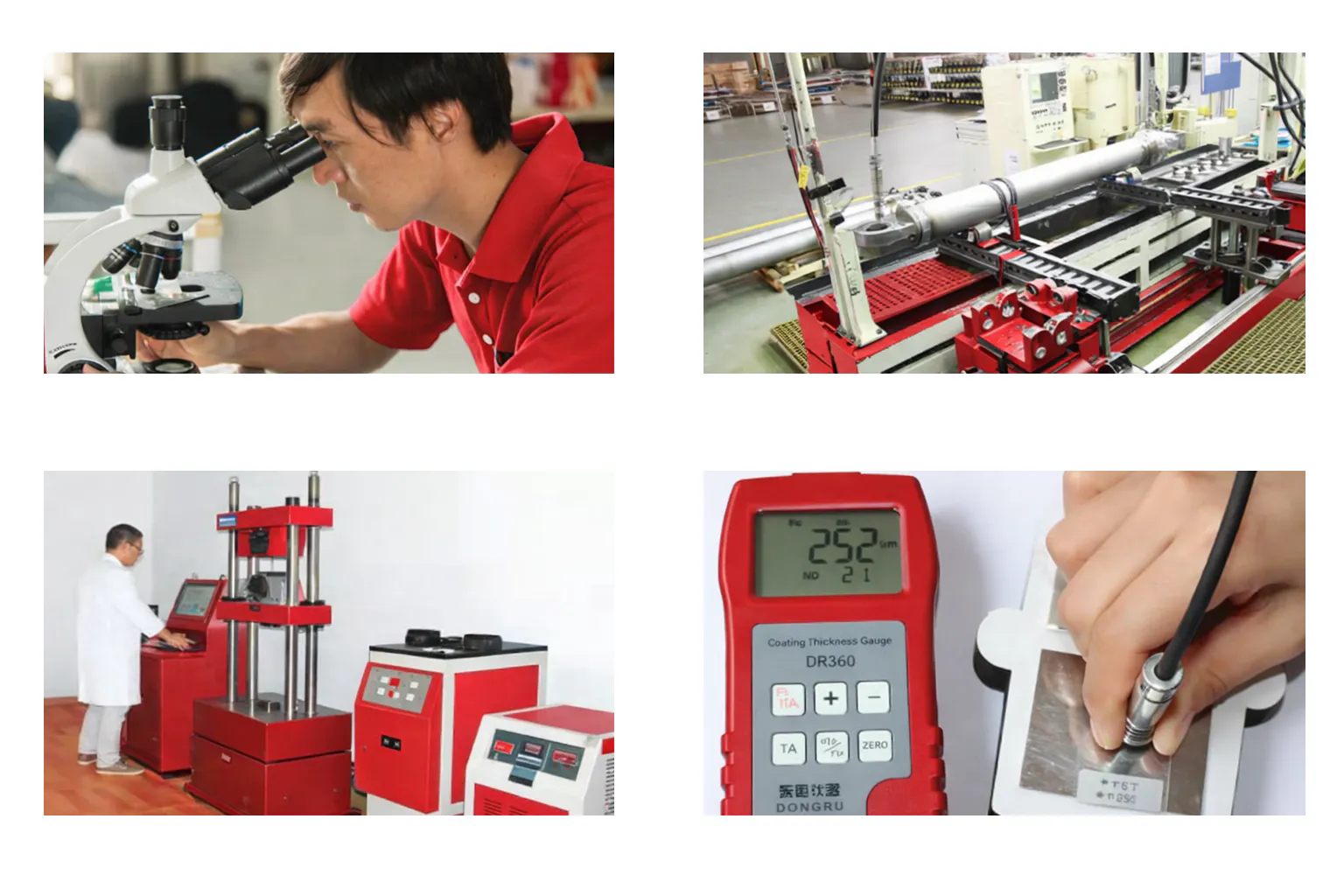
Pitting on the rod surface is the most common form of chemical attack. A rod inspection — visual check for pits, measurement of chrome layer thickness using eddy current instrument — should be conducted at minimum every 500 operating hours in high-exposure chemical warehouses, or every 250 hours in facilities handling concentrated mineral acids with regular misting or splash events.
Hydraulic Fluid pH and Particle Testing
Chemical vapor infiltration through a degraded rod wiper gradually acidifies or alkalizes the hydraulic fluid, accelerating internal component wear far beyond what external inspection reveals. Quarterly hydraulic fluid sampling for pH, particle count (ISO cleanliness class 4406), and water content is strongly recommended for forklift hydraulic tilt cylinders operating in chemical distribution environments throughout the Andean region.
Pressure Testing After Repair
Following any forklift hydraulic cylinder repair or seal replacement at a chemical facility, the rebuilt cylinder must be pressure tested to 1.5× the rated working pressure before return to service. This is not merely a manufacturer recommendation — it aligns with Colombia’s NTC standards for pressure equipment and with CE-marked equipment requirements when the forklift was imported from European markets.
Regulatory Framework — Colombia and International Standards
Chemical distribution facilities operating in Colombia and across Latin America are subject to a layered regulatory framework covering both the forklift as a vehicle and the hydraulic systems it carries. Non-compliance with any of these frameworks can result in facility closure orders, invalidate insurance coverage, and — most critically — expose workers to preventable hazards from hydraulic failure under chemical load.
Colombia — NTC & ICONTEC Standards
The Instituto Colombiano de Normas Técnicas y Certificación (ICONTEC) is the primary standards body governing industrial equipment in Colombia. NTC 2062 (Seguridad de maquinaria) and the complementary NTC 4595 address the design and safety of hydraulic systems in mobile industrial machinery, including forklifts used in chemical storage environments.
The Ministry of Labor Resolution 0312 of 2019 establishes minimum occupational safety standards (PESV / SG-SST) that include equipment inspection requirements for hydraulic lifting devices. Facilities in Bogotá, Cali, and Medellín deploying forklifts in chemical areas are required to document cylinder inspection records as part of their Sistema de Gestión de Seguridad y Salud en el Trabajo (SG-SST) audit file.
USA — OSHA 29 CFR 1910.178
OSHA 29 CFR Part 1910.178 governs powered industrial trucks — including forklifts — in the United States. Under this regulation, forklifts operating in classified hazardous locations (including areas where flammable or corrosive chemicals are stored) must be of an approved type and must undergo documented periodic inspection. The regulation specifically addresses hydraulic cylinder integrity as a safety-critical system that must be maintained in serviceable condition, with leaks corrected before the truck returns to work.
EU — EN 1726 & PSSR 2000 (UK)
European Standard EN 1726-1 (Safety of industrial trucks — Self-propelled trucks) incorporates specific requirements for the hydraulic circuits of counterbalance forklifts, including tilt cylinder holding valve requirements that prevent uncontrolled mast movement under load-loss conditions. This standard is referenced in the CE marking process for forklifts exported to European markets.
In the United Kingdom, the Pressure Systems Safety Regulations 2000 (PSSR 2000) require that hydraulic pressure-containing components above specified pressure thresholds be covered by a Written Scheme of Examination maintained by a competent person — a requirement that directly applies to forklift mast cylinders and tilt cylinders in facilities where chemical storage is involved.
Brazil — NR-11 & ABNT NBR Standards
Brazil’s NR-11 (Norma Regulamentadora 11) governs the transport, movement, handling, and storage of materials — including mandatory operator qualification, equipment inspection frequency, and maintenance documentation requirements for forklifts used in chemical and pharmaceutical warehouses. ABNT NBR 12693 and NBR 14762 complement NR-11 with technical specifications for hydraulic cylinders and pressure equipment used in mobile industrial machinery. Facilities across São Paulo, Santos, and Rio de Janeiro operating chemical logistics must maintain cylinder inspection and repair records accessible for labor inspection audits.
Across Colombia, Peru, Chile, Ecuador, and México, local chemical storage regulations typically require that all maintenance-critical hydraulic components — including the forklift tilt cylinder — carry documentation from the manufacturer confirming rated working pressure, maximum load capacity, and recommended seal replacement intervals. Request this documentation before finalizing any cylinder procurement for chemical industry applications.
Types of Forklift Cylinders — Understanding the Differences
Procurement managers at chemical distribution centers frequently ask for clarification on the different cylinder types fitted to a typical counterbalance forklift. The distinctions matter because each cylinder has a different maintenance profile, different failure mode, and different corrosion exposure risk in chemical environments.
Lift Cylinder (Mast Cylinder)
The lift cylinder forklift — sometimes called the forklift mast cylinder or forklift hydraulic lift cylinder — is a single-acting telescoping or simplex cylinder that raises and lowers the load on the forks. In chemical environments, the multi-stage telescoping variants used on high-reach masts expose large areas of inner stage rod surface to ambient chemical vapor, making rod material specification particularly important. Drift in the lift cylinder under load (the load gradually lowering without operator input) indicates internal seal failure and is a serious safety event in any environment, but especially so when the load consists of drums of corrosive substance.
Tilt Cylinder
The forklift tilt cylinder is a double-acting cylinder mounted between the forklift body and the mast carriage that controls the fore-aft tilt angle of the mast. When carrying a chemical drum on the forks, the operator tilts the mast backward to stabilize the load against the backrest extension; on placing the load, mast forward tilt is used to deposit cleanly on the rack shelf. The tilt cylinder location on the forklift puts it in the direct path of chemical vapors rising from the floor level and splashes from nearby filling stations — making it the cylinder most frequently specified for chemical-duty material upgrades in LATAM facilities.
Side-Shift and Attachment Cylinders
Many chemical distribution forklifts are fitted with side-shift carriages or drum-handling attachments that carry their own small hydraulic cylinders. The EP-HCYA series from the forklift tilt cylinder product range addresses exactly this application — compact auxiliary cylinders for forklift attachments that must operate in the same aggressive chemical environment as the main tilt cylinder. These smaller cylinders often have proportionally thinner rod diameters, making chromium plating integrity even more critical, as a proportionally smaller pit depth can compromise the entire sealing contact surface.
Complete System Compatibility — Related Products
A corrosion-proof forklift tilt cylinder performs to its specification only when the rest of the hydraulic system — pump station, control valve, hoses, and fittings — are matched to the same chemical-duty standard. Our product range covers the full hydraulic drive system for chemical-duty forklift applications, enabling one-stop procurement for facilities standardizing on a single-supplier maintenance supply chain across their Colombian and LATAM warehouse fleet.
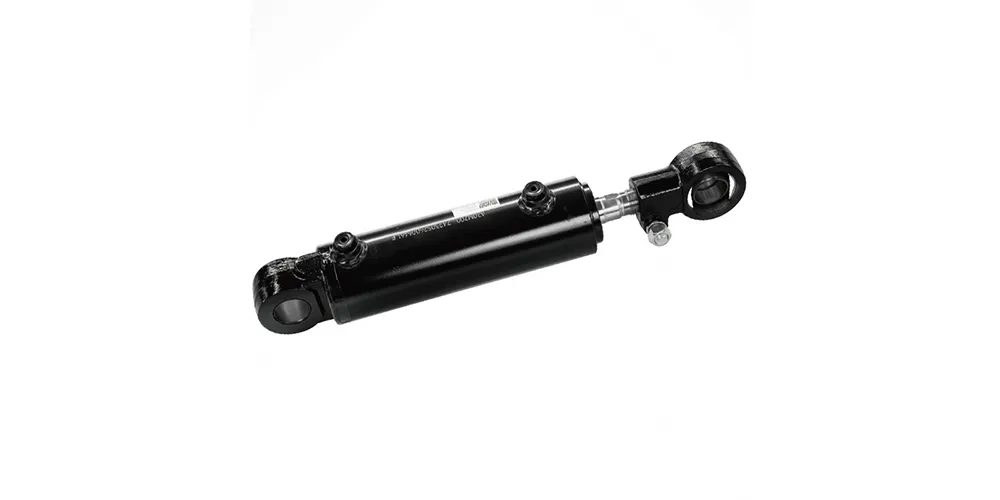
Tilt Cylinder Series
Our extended Tilt Cylinder range covers a broader spectrum of industrial and off-road vehicle applications beyond the forklift-specific series. For chemical facilities operating reach trucks, order pickers, or specialized AGV-based material handling systems alongside standard counterbalance forklifts, this wider range provides compatible cylinder geometry and seal specifications that simplify multi-equipment fleet maintenance management.
Hydraulic Pump Station Series
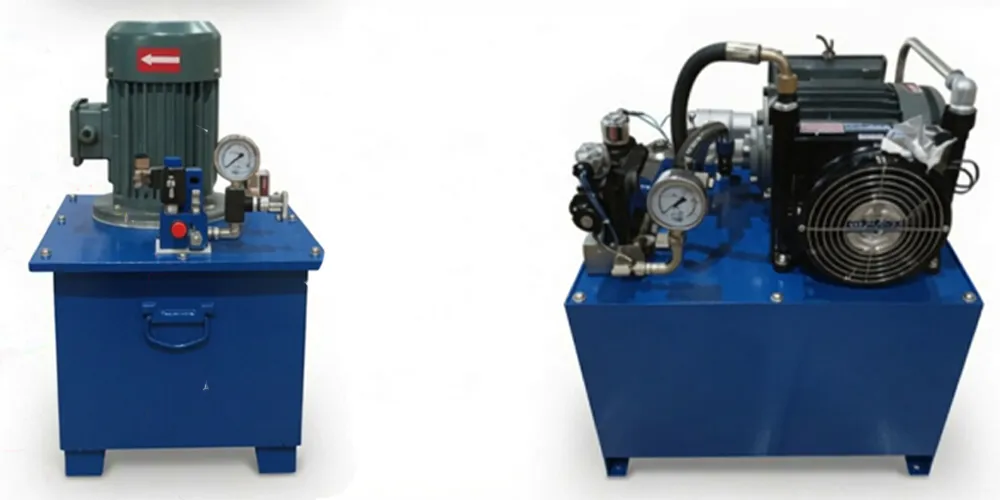
The hydraulic pump station is the pressure source that powers the tilt cylinder system. In chemical environments, the pump station’s reservoir, filtration system, and pressure relief settings must be co-specified with the cylinder to ensure the complete circuit operates within the cylinder’s rated pressure range and fluid cleanliness requirements. Our hydraulic pump station series provides chemical-compatible seal materials throughout, pressure-filtered outlet ports to maintain ISO 4406 cleanliness, and stainless steel reservoir options for pharmaceutical-grade environments where fluid contamination carries regulatory consequences beyond equipment damage.
About Us
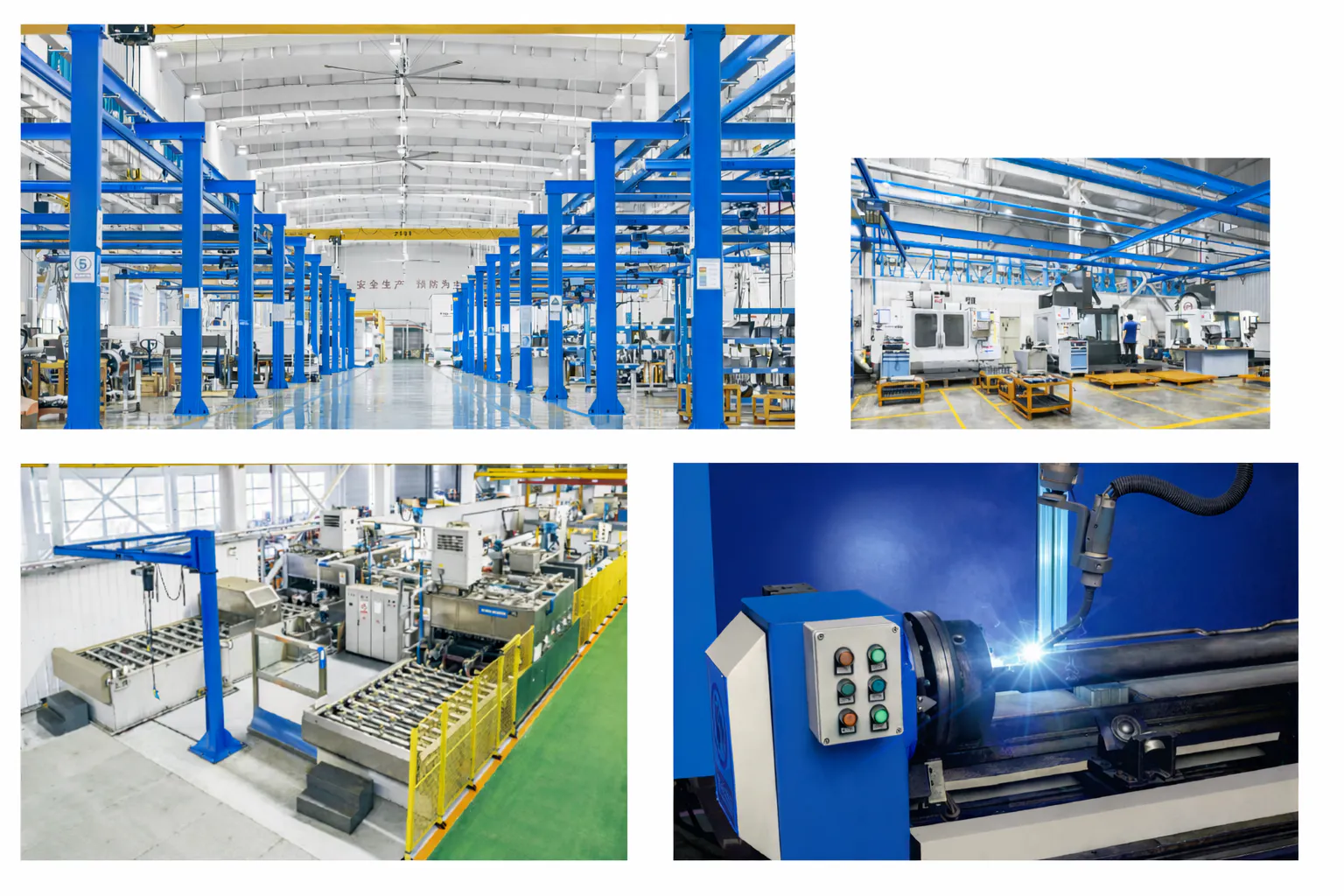
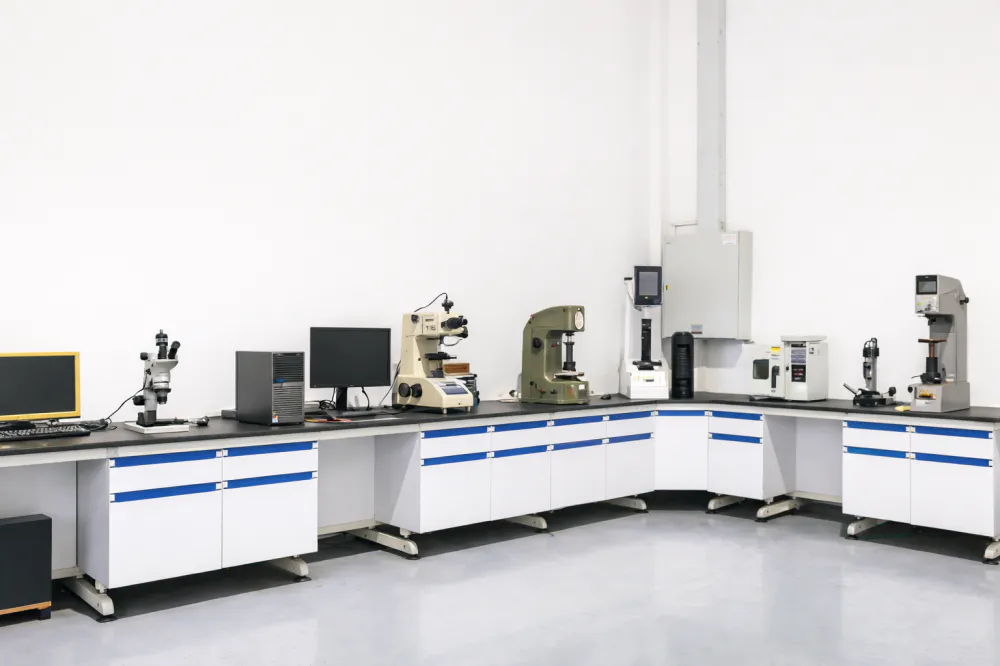
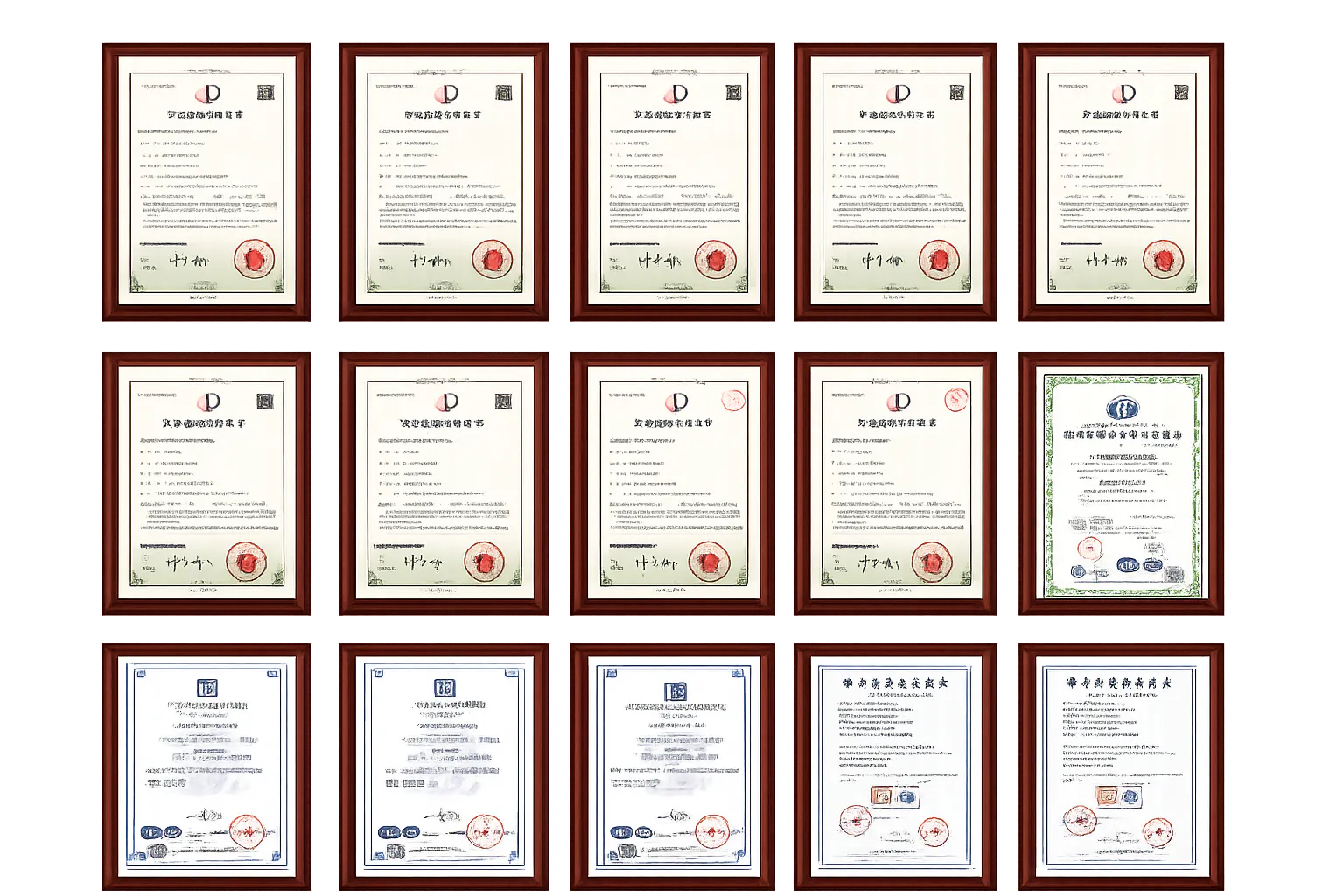
We are a specialized manufacturer of forklift hydraulic cylinders and related power transmission components, with a production focus on engineering-grade solutions for demanding industrial environments. Our tilt cylinder product range — covering standard, heavy-duty, and chemical-duty specifications — is designed, manufactured, and tested under ISO 9001-aligned quality management systems, with documented traceability from raw material certificates through to final hydrostatic pressure test records.
Our engineering team works directly with chemical industry procurement and maintenance managers to specify the right cylinder configuration, seal kit, and corrosion protection package for their specific facility and chemical exposure profile. We supply to distributors, maintenance contractors, and end-user facilities across Colombia, Brazil, Chile, Peru, México, and the wider LATAM market, with documentation packages suitable for SG-SST audit files and NR-11 compliance records.
WorkShop
Frequently Asked Questions
Editor: PXY