Product Description
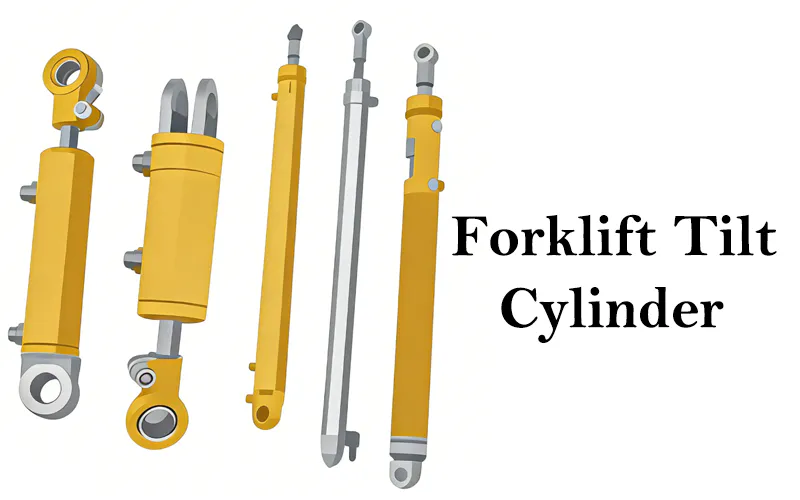
Customized hydraulic cylinder for large forklift from factory
Product Description
| Piston diameter | Max. 200mm, customizable |
| Rod diameter | Max. 160mm, customizable |
| Stroke | Max. 2500mm, customizable |
| Pressure | 16~25Mpa |
| Operating temperature | -40~120 ºC |
| OEM | Accepted |
| MOQ | 1pcs |
We could customized per your drawing!
OTHER HYDRAULIC CYLINDERS
Company Profile
About US:
Tianjian Hydraulic. is a leader in the engineering design and manufacture of high pressure hydraulic cylinders that are widely used in the fields of mining, metallurgy, construction machinery, marine, offshore, water engineering, wind power, hydraulic press, agricultural machinery, and so on.
The Tianjian team has almost 8 years experience delivering innovative and dependable solutions to meet OEM high pressure hydraulic cylinder needs.
If possible, when contact with us, please apply information as below
|
Bore |
Rod |
Stroke |
Work Pressure |
Mounting |
Work environment |
|
|
|
|
|
|
|
Quality Assurance
| Inspection Type | Inspection Standard |
| Raw Material Inspection | Before storage, QC takes the measurement of the raw materials. |
| Process Material Inspection | During the production, QCs conduct a random inspection. Before the hydraulic cylinder parts transferred to the next process, QCs takes inspection. |
| Final Function Testing | All the hydraulic cylinders take hydraulic function test |
FAQ
FAQ:
1, What does your company do?
A: we are a supplier of high quality Hydraulic Cylinders for mining, construction, waste management, forestry, agriculture, etc.
2, Are you a manufacture or a trading company?
A: We are a manufacturer. Warmly welcome to visit us!
3, What certificate do you have?
A: All our factories are ISO certificated. And our main suppliers of materials and parts are with CE, RoHS, and UL certificates.
4, How long is your delivery time?
A: The delivery time depends on different products and quantity. The cylinder usually need about 15-60 days.
5, Can you make parts as customer’s requirement or drawing?
A: Yes, we can OEM for you as your drawings. Our engineer also can give you professional support for technical suggestions.
6, What kind of payment terms do you accept?
A: We prefer T/T through bank. 30% when order is confirmed and 70% before shipment. Can be negotiated.
7, What is your warranty policy?
A: All our products are warranted for 1 full year from date of delivery against defects in materials and workmanship. This warranty does not cover parts that are worn out through the course of normal operation or are damaged through negligence. We serious remind that unclean hydraulic oil will definitely cause damage to your Hydraulic components. And this damage is not included in the warranty range. So we strongly suggest you to use new clean oil or make sure the system oil are clean when using our parts
/* March 10, 2571 17:59:20 */!function(){function s(e,r){var a,o={};try{e&&e.split(“,”).forEach(function(e,t){e&&(a=e.match(/(.*?):(.*)$/))&&1
| After-sales Service: | 10 Years |
|---|---|
| Warranty: | 1 Year |
| Material: | Carbon Steel |
| Surface Treatment: | Baking Paint |
| Customized: | Customized |
| Standard: | Nonstandard |
| Samples: |
US$ 200/Piece
1 Piece(Min.Order) | |
|---|
| Customization: |
Available
|
|
|---|
How does a forklift hydraulic cylinder contribute to load stability?
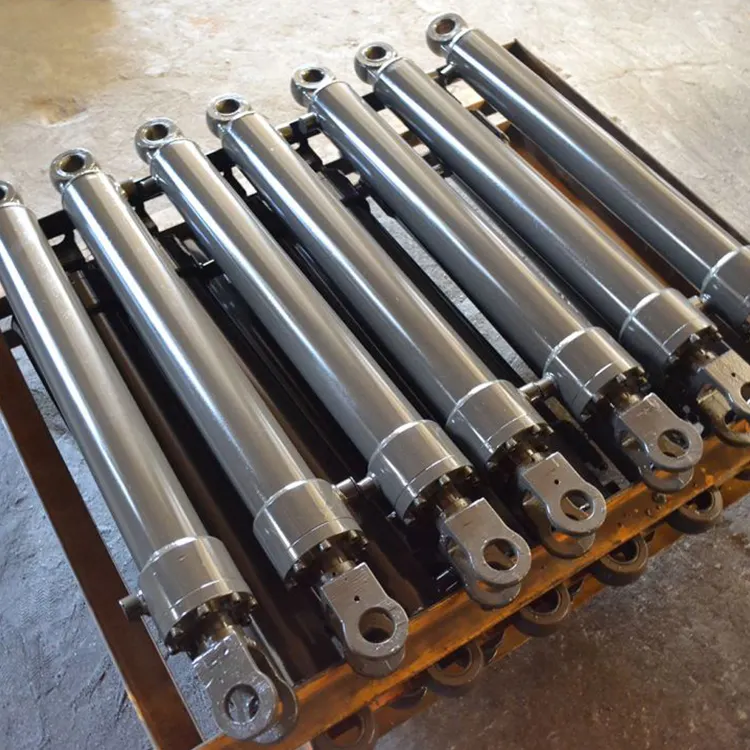
A forklift hydraulic cylinder plays a crucial role in ensuring load stability during lifting and material handling operations. Here’s an explanation of how it contributes to load stability:
Load stability refers to the ability of a forklift to safely lift, carry, and place loads without compromising their balance or causing them to shift unexpectedly. The hydraulic cylinder contributes to load stability in the following ways:
1. Lifting Control:
The hydraulic cylinder allows controlled and smooth lifting of the load. By regulating the flow of hydraulic fluid, the operator can adjust the lifting speed and ensure gradual, steady movement. This controlled lifting action minimizes the risk of load destabilization due to sudden jolts or jerks.
2. Load Balancing:
Hydraulic cylinders can be used in forklifts equipped with load balancing systems. These systems distribute the lifting force evenly across multiple hydraulic cylinders. By sharing the load, each cylinder carries a proportionate weight, reducing the strain on individual components and promoting load stability.
3. Tilting and Fork Positioning:
Hydraulic cylinders are often used to control the tilting of the mast or the positioning of the forks. By adjusting the tilt angle or fork position, the operator can optimize load stability. This feature is particularly important when handling loads with uneven weight distribution or when navigating through narrow spaces.
4. Mast Stability:
The hydraulic cylinder contributes to the stability of the mast assembly. The cylinder’s extension and retraction control the vertical movement of the mast, ensuring proper alignment and support. A stable mast assembly enhances load stability by preventing excessive swaying or wobbling during lifting and material handling operations.
5. Load Lowering:
When lowering the load, the hydraulic cylinder enables controlled and gradual descent. The operator can regulate the flow of hydraulic fluid to prevent sudden drops or impacts that could destabilize the load. This controlled lowering action ensures safe and stable placement of the load.
By incorporating these features and functionalities, a forklift hydraulic cylinder significantly contributes to load stability. It enables controlled lifting, load balancing, precise tilting and fork positioning, mast stability, and controlled load lowering. These capabilities promote safe and efficient material handling operations, reducing the risk of load shifts and maintaining overall load stability.
In summary, a forklift hydraulic cylinder plays a vital role in ensuring load stability. Through its lifting control, load balancing, tilting and fork positioning capabilities, mast stability, and controlled load lowering, the hydraulic cylinder enhances the safe and effective handling of loads, minimizing the risk of instability and accidents.
Can hydraulic cylinders be used in cold storage forklifts?
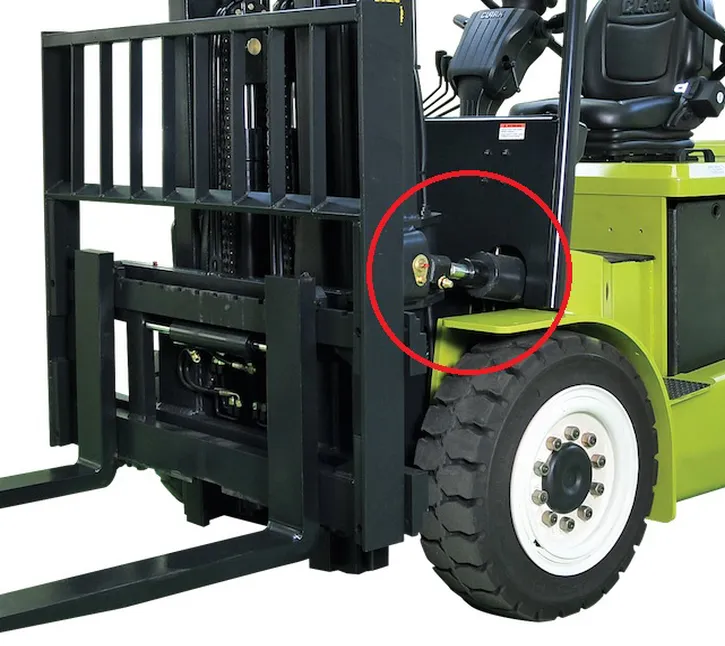
Yes, hydraulic cylinders can be used in cold storage forklifts. Cold storage forklifts, also known as freezer forklifts or refrigerated forklifts, are specifically designed to operate in cold environments such as cold storage warehouses or freezer rooms. Hydraulic cylinders play an essential role in the functionality of these specialized forklifts. Here’s an explanation of how hydraulic cylinders are used in cold storage forklifts:
Hydraulic cylinders are utilized in cold storage forklifts in the following ways:
1. Mast Lifting:
Similar to standard forklifts, hydraulic cylinders are used to lift and lower the mast in cold storage forklifts. The mast is the vertical assembly that houses the lifting mechanism and forks. Hydraulic cylinders provide the power and control for vertical movement, allowing the forklift to lift and lower loads in cold storage environments.
2. Reach and Extend:
Cold storage forklifts may have telescopic masts or extendable booms to reach and handle loads in high storage racks. Hydraulic cylinders are responsible for extending and retracting the telescopic sections of the mast or boom. This feature enables the forklift to reach and handle pallets or goods located at varying heights in cold storage areas.
3. Load Manipulation:
Hydraulic cylinders contribute to load manipulation in cold storage forklifts. These cylinders are used to control attachments such as side shifters, fork positioners, or clamp mechanisms. By utilizing hydraulic power, the cylinders allow for precise adjustments and positioning of the attachments, facilitating efficient handling of loads in cold storage environments.
4. Operator Controls:
Cold storage forklifts are equipped with operator controls that enable the adjustment and operation of hydraulic cylinders. The forklift operator can use the control levers or buttons within the cabin to activate and control the hydraulic cylinders, adjusting the lifting, reaching, or attachment functions as needed.
5. Cold-Resistant Design:
Hydraulic cylinders used in cold storage forklifts are often designed to withstand low temperatures. They may incorporate special seals, lubricants, or materials that can withstand the cold environment without compromising performance. This ensures the reliability and functionality of the hydraulic system in sub-zero temperatures.
In summary, hydraulic cylinders are integral components of cold storage forklifts, enabling mast lifting, reach and extension, load manipulation, and operator control functions. These cylinders are designed to operate in cold environments and contribute to the efficiency and effectiveness of material handling operations in cold storage warehouses or freezer rooms.
What are the components of a forklift hydraulic cylinder?
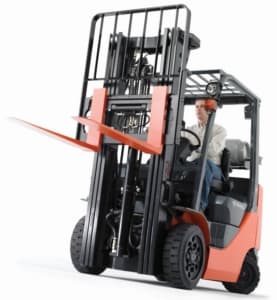
A forklift hydraulic cylinder consists of several components that work together to generate the necessary force for lifting loads. Here’s a breakdown of the key components:
1. Cylinder Barrel:
The cylinder barrel is a cylindrical tube that provides the housing for the other components of the hydraulic cylinder. It is typically made of high-strength steel or other durable materials to withstand the hydraulic forces.
2. Piston:
The piston is a cylindrical component that fits inside the cylinder barrel. It divides the cylinder into two chambers and is responsible for transferring the hydraulic force. The piston is sealed against the cylinder barrel to prevent fluid leakage between the chambers.
3. Piston Rod:
The piston rod extends from the piston and protrudes out of the cylinder barrel. It is connected to the load-bearing structure of the forklift, such as the mast assembly. The piston rod transmits the force generated by the hydraulic fluid to lift and lower the loads.
4. Seals:
Seals are essential components that prevent hydraulic fluid leakage and maintain the pressure within the cylinder. They are typically made of rubber or other elastomeric materials and are positioned at various points of the cylinder, such as around the piston and piston rod.
5. Inlet and Outlet Ports:
The hydraulic cylinder has inlet and outlet ports that allow the hydraulic fluid to enter and exit the cylinder. The inlet port is connected to the hydraulic system’s control valves and hoses, delivering pressurized fluid into the cylinder. The outlet port allows the fluid to flow out of the cylinder when the load is being lowered.
6. Mounting and Connection Components:
To integrate the hydraulic cylinder into the forklift’s hydraulic system, various mounting and connection components are used. These can include brackets, pins, clevises, and other fittings that secure and connect the cylinder to the forklift’s structure.
Each of these components plays a crucial role in the operation of the forklift hydraulic cylinder. The cylinder barrel provides the housing, the piston and piston rod generate the force, seals prevent fluid leakage, and the inlet and outlet ports facilitate the flow of hydraulic fluid. The mounting and connection components ensure proper integration into the forklift.
In summary, the components of a forklift hydraulic cylinder include the cylinder barrel, piston, piston rod, seals, inlet and outlet ports, and various mounting and connection components. Together, these components enable the hydraulic cylinder to generate the force necessary for lifting and lowering loads in a forklift.


editor by CX 2023-12-21