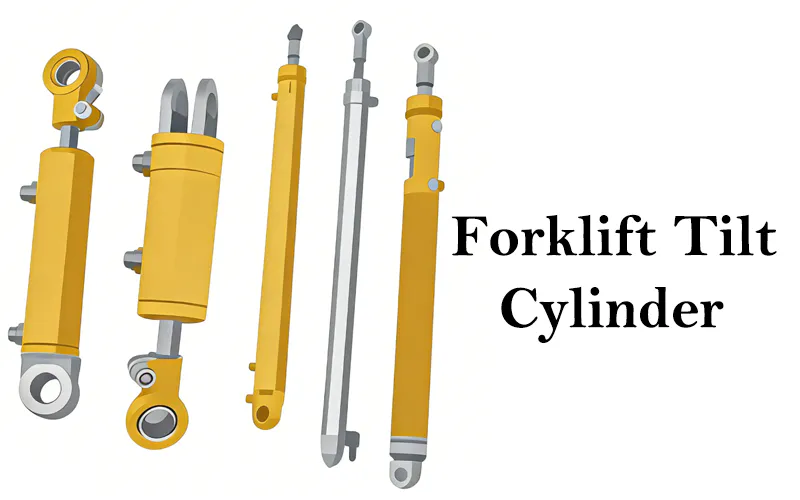
Product Description
High Quality OEM Steering Hydraulic Cylinder for Forklift Hydraulic Cylinder Made in China
Product Description
| Piston diameter | Max. 200mm, customizable |
| Rod diameter | Max. 160mm, customizable |
| Stroke | Max. 2500mm, customizable |
| Pressure | 16~25Mpa |
| Operating temperature | -40~120 ºC |
| OEM | Accepted |
| MOQ | 1pcs |
We could customized per your drawing!
OTHER HYDRAULIC CYLINDERS
Company Profile
About US:
Tianjian Hydraulic. is a leader in the engineering design and manufacture of high pressure hydraulic cylinders that are widely used in the fields of mining, metallurgy, construction machinery, marine, offshore, water engineering, wind power, hydraulic press, agricultural machinery, and so on.
The Tianjian team has almost 8 years experience delivering innovative and dependable solutions to meet OEM high pressure hydraulic cylinder needs.
If possible, when contact with us, please apply information as below
|
Bore |
Rod |
Stroke |
Work Pressure |
Mounting |
Work environment |
|
|
|
|
|
|
|
Quality Assurance
| Inspection Type | Inspection Standard |
| Raw Material Inspection | Before storage, QC takes the measurement of the raw materials. |
| Process Material Inspection | During the production, QCs conduct a random inspection. Before the hydraulic cylinder parts transferred to the next process, QCs takes inspection. |
| Final Function Testing | All the hydraulic cylinders take hydraulic function test |
FAQ
FAQ:
1, What does your company do?
A: we are a supplier of high quality Hydraulic Cylinders for mining, construction, waste management, forestry, agriculture, etc.
2, Are you a manufacture or a trading company?
A: We are a manufacturer. Warmly welcome to visit us!
3, What certificate do you have?
A: All our factories are ISO certificated. And our main suppliers of materials and parts are with CE, RoHS, and UL certificates.
4, How long is your delivery time?
A: The delivery time depends on different products and quantity. The cylinder usually need about 15-60 days.
5, Can you make parts as customer’s requirement or drawing?
A: Yes, we can OEM for you as your drawings. Our engineer also can give you professional support for technical suggestions.
6, What kind of payment terms do you accept?
A: We prefer T/T through bank. 30% when order is confirmed and 70% before shipment. Can be negotiated.
7, What is your warranty policy?
A: All our products are warranted for 1 full year from date of delivery against defects in materials and workmanship. This warranty does not cover parts that are worn out through the course of normal operation or are damaged through negligence. We serious remind that unclean hydraulic oil will definitely cause damage to your Hydraulic components. And this damage is not included in the warranty range. So we strongly suggest you to use new clean oil or make sure the system oil are clean when using our parts
/* March 10, 2571 17:59:20 */!function(){function s(e,r){var a,o={};try{e&&e.split(“,”).forEach(function(e,t){e&&(a=e.match(/(.*?):(.*)$/))&&1
| After-sales Service: | 10 Years |
|---|---|
| Warranty: | 1 Year |
| Material: | Carbon Steel |
| Surface Treatment: | Baking Paint |
| Customized: | Customized |
| Standard: | Nonstandard |
| Samples: |
US$ 200/Piece
1 Piece(Min.Order) | |
|---|
| Customization: |
Available
|
|
|---|
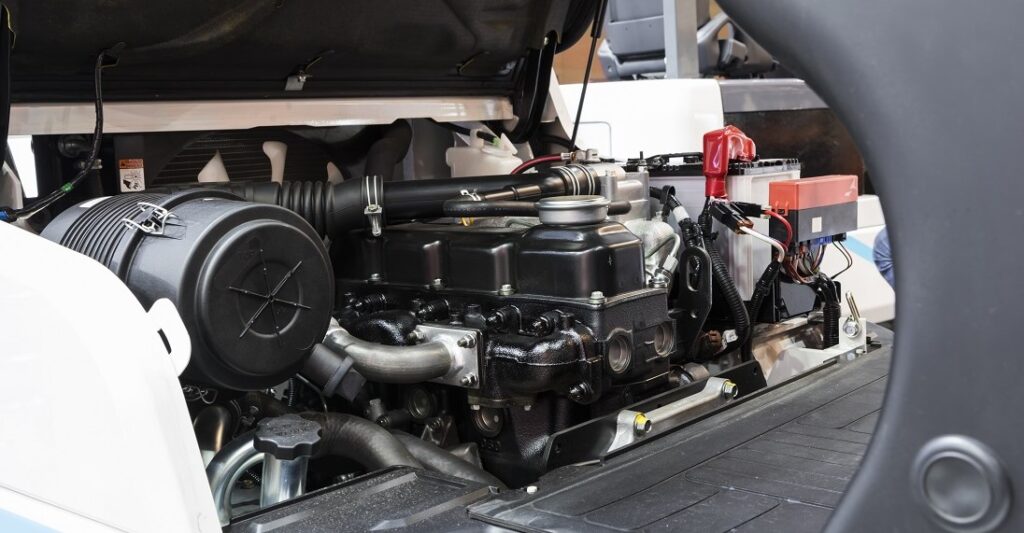
How Does a Forklift Hydraulic Cylinder Handle Variations in Temperature?
A forklift hydraulic cylinder is designed to handle variations in temperature effectively to ensure reliable and consistent performance. The hydraulic system, including the cylinder, is engineered to withstand both high and low temperatures commonly encountered in different operating environments. Here’s a detailed explanation of how a forklift hydraulic cylinder handles variations in temperature:
- Temperature-Resistant Seals:
- Hydraulic Fluid Selection:
- Thermal Expansion Compensation:
- Heat Dissipation and Cooling:
- Cold Start Considerations:
- Insulation and Protective Measures:
Hydraulic cylinders in forklifts are equipped with seals that are specifically designed to withstand temperature fluctuations. These seals are made from high-quality materials such as synthetic rubber or thermoplastic elastomers that have excellent resistance to heat and cold. The temperature-resistant seals ensure proper sealing and prevent leakage of hydraulic fluid, even when exposed to extreme temperature conditions.
The choice of hydraulic fluid plays a crucial role in temperature management within the hydraulic system, including the cylinder. Different types of hydraulic fluids are available, each with specific temperature ranges for optimal performance. Forklift manufacturers typically recommend hydraulic fluids that are suitable for the expected operating temperatures. These fluids have properties that enable them to maintain consistent viscosity and lubrication characteristics, ensuring smooth cylinder operation across a wide temperature range.
Variations in temperature cause materials to expand or contract. Hydraulic cylinders are designed to accommodate the thermal expansion of components effectively. The materials used in the cylinder construction, such as steel or aluminum alloys, have specific coefficients of thermal expansion. By considering these properties during the design and manufacturing process, forklift hydraulic cylinders are built to compensate for thermal expansion, minimizing the risk of structural damage or performance issues due to temperature changes.
In high-temperature environments, forklift hydraulic cylinders may be exposed to heat generated by the hydraulic system or external sources. To prevent overheating, cylinders are often equipped with cooling mechanisms. These mechanisms can include cooling fins or external cooling systems that help dissipate heat and maintain the cylinder within the desired temperature range. Effective heat dissipation ensures that the hydraulic fluid retains its optimal properties and that the cylinder operates efficiently and reliably.
In low-temperature conditions, such as during cold starts, hydraulic cylinders may experience increased viscosity of the hydraulic fluid, which can affect their performance. To mitigate this issue, forklift hydraulic systems are designed with features such as preheating systems or low-temperature hydraulic fluids. These measures help to warm up the hydraulic fluid and ensure its proper flow and lubrication, allowing the hydraulic cylinder to operate smoothly even in cold environments.
In extreme temperature conditions, additional insulation or protective measures may be applied to the hydraulic cylinder and its components. Insulation materials can help maintain stable operating temperatures within the cylinder, preventing heat loss in cold environments or minimizing heat absorption in hot environments. Protective coatings or covers may also be used to shield the cylinder from external temperature fluctuations or exposure to harsh elements, ensuring its longevity and performance.
By incorporating temperature-resistant seals, selecting suitable hydraulic fluids, compensating for thermal expansion, implementing heat dissipation mechanisms, considering cold start conditions, and applying insulation or protective measures, forklift hydraulic cylinders are designed to handle variations in temperature effectively. These design considerations ensure the reliable and consistent operation of the hydraulic system, enabling forklifts to perform optimally in diverse temperature environments.
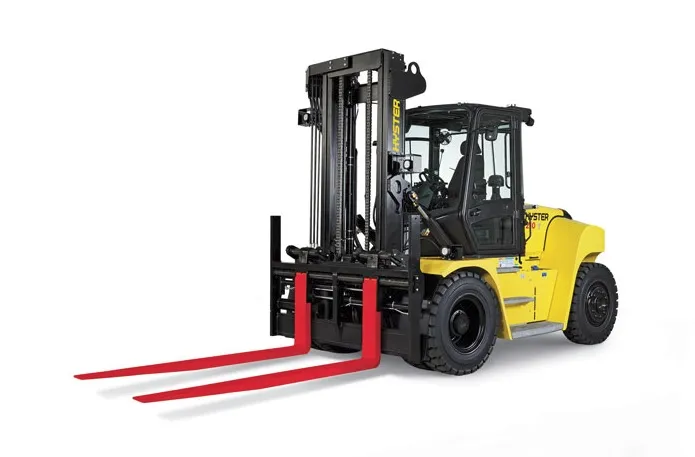
How does a forklift hydraulic cylinder handle variations in seal technology?
A forklift hydraulic cylinder is designed to handle variations in seal technology to ensure effective sealing and reliable performance. Here’s an explanation of how it achieves this:
The hydraulic cylinder’s ability to accommodate different seal technologies is essential for maintaining hydraulic fluid integrity and preventing leakage. The cylinder handles variations in seal technology through the following mechanisms:
1. Seal Compatibility:
Forklift hydraulic cylinders are designed to be compatible with various types of seal technologies. Different seal materials and designs are available, such as O-rings, lip seals, and composite seals. The cylinder is manufactured with precise dimensions and tolerances to accommodate the specific seal technology being used. This compatibility ensures a proper fit and seal, regardless of the seal technology employed.
2. Material Selection:
The choice of cylinder material is also crucial in handling variations in seal technology. Different seal materials have varying compatibility with specific cylinder materials. Forklift hydraulic cylinders are typically constructed using materials such as steel or aluminum alloys, which offer excellent compatibility with a wide range of seal technologies. The cylinder material is selected to work harmoniously with different seal materials, ensuring reliable sealing performance.
3. Seal Design and Construction:
The design and construction of seals in the hydraulic cylinder are optimized to accommodate variations in seal technology. Seal manufacturers develop seals with specific features and characteristics tailored to different applications. These features may include improved sealing lip geometry, advanced materials with enhanced wear resistance, and specialized sealing mechanisms. The cylinder is designed to accommodate these variations, providing the necessary space and support for the specific seal technology being utilized.
4. Testing and Quality Control:
Hydraulic cylinders undergo rigorous testing and quality control processes to ensure seal compatibility and performance. During manufacturing, seals are inspected for proper fit, dimensions, and sealing integrity. The hydraulic system is also subjected to pressure and leakage tests to verify the effectiveness of the seals and overall system performance. These testing and quality control measures help identify any issues related to seal technology and allow for necessary adjustments or improvements.
In summary, a forklift hydraulic cylinder handles variations in seal technology through seal compatibility, appropriate material selection, seal design and construction, and rigorous testing and quality control. These measures ensure that the cylinder can effectively accommodate different seal technologies, providing reliable sealing performance and preventing hydraulic fluid leakage.
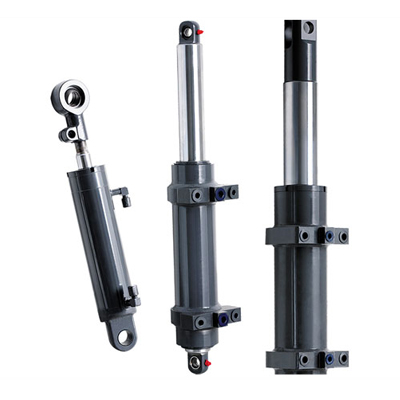
How does a forklift hydraulic cylinder assist in lifting loads?
A forklift hydraulic cylinder plays a critical role in assisting the lifting of loads. Here’s a detailed explanation of how it works:
When a forklift needs to lift a load, the hydraulic cylinder generates the necessary force to raise the load to the desired height. Here’s a step-by-step process of how the hydraulic cylinder assists in lifting loads:
1. Hydraulic Pressure:
When the operator activates the hydraulic controls of the forklift, hydraulic pressure is generated in the hydraulic system. This pressure is typically created by a hydraulic pump, which pressurizes the hydraulic fluid (usually oil) in the system.
2. Hydraulic Fluid Flow:
The pressurized hydraulic fluid is directed to the hydraulic cylinder through control valves and hoses. The fluid enters the cylinder through the inlet port, filling one side of the cylinder.
3. Piston and Piston Rod Extension:
As the pressurized hydraulic fluid enters the cylinder, it acts on one side of the piston. The force exerted by the fluid pushes the piston and the connected piston rod upward.
4. Load Lifting:
As the piston rod extends, it transfers the force to the load-bearing structure of the forklift, such as the mast assembly. The force exerted by the hydraulic cylinder enables the forklift to lift the load off the ground.
5. Load Stability:
The hydraulic cylinder assists in maintaining load stability during the lifting process. The controlled extension of the cylinder allows for smooth and precise lifting, reducing the chances of load tilting or instability.
6. Load Holding:
Once the load reaches the desired height, the hydraulic system can hold the load in place using a valve or a locking mechanism. This ensures that the load remains securely lifted until the operator decides to lower it.
The hydraulic cylinder’s ability to generate a significant amount of force allows forklifts to lift heavy loads efficiently. By controlling the flow of hydraulic fluid and adjusting the cylinder’s extension, the operator can precisely control the lifting speed and height.
In summary, a forklift hydraulic cylinder assists in lifting loads by utilizing hydraulic pressure to extend the piston and piston rod, transferring force to the load-bearing structure of the forklift. This hydraulic force enables the forklift to lift heavy loads, and the controlled extension of the cylinder ensures load stability and precise lifting capabilities.


editor by CX 2024-02-08